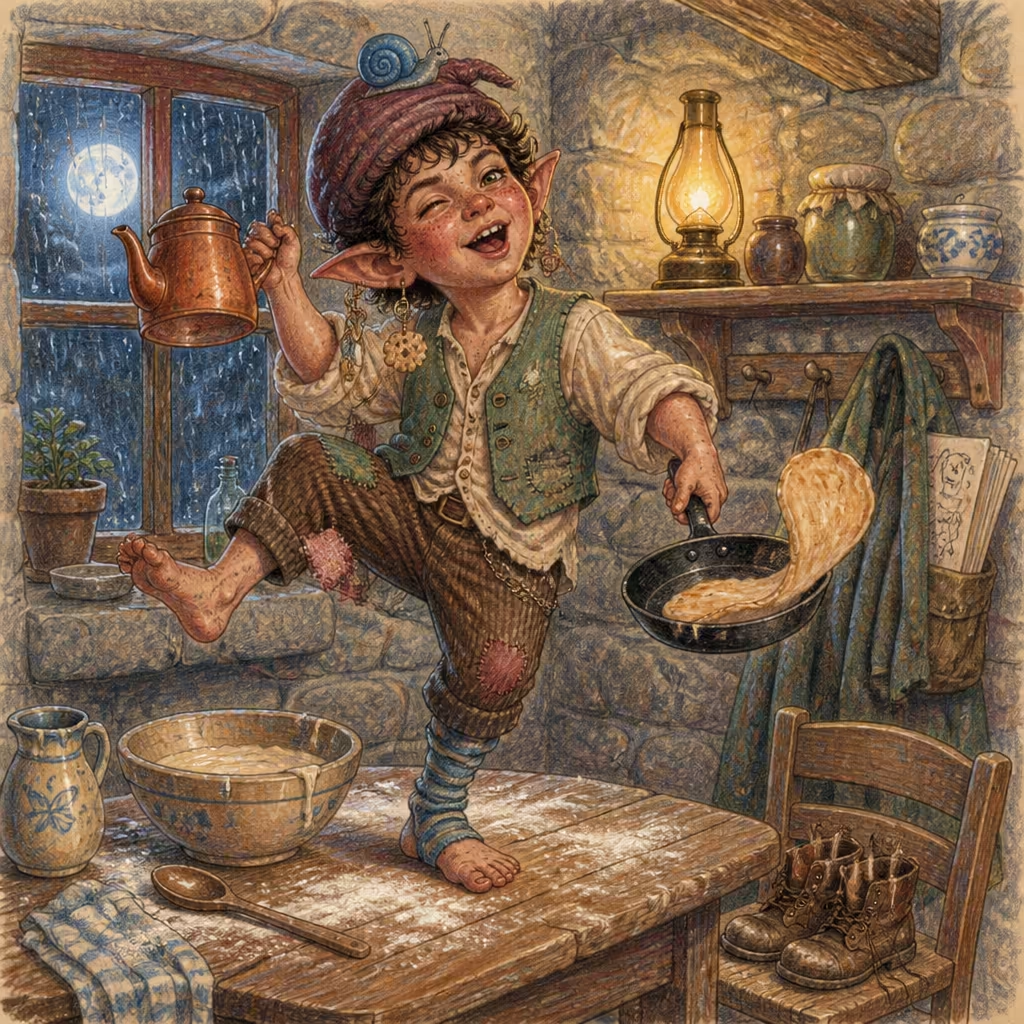
What it means
Havering means talking a load of daft nonsense, rambling round the houses, or dithering instead of just spitting it out. In Scotland you’ll hear it for someone waffling away, changing their mind every five seconds, or getting lost in their own patter. You can use it as a description or a wee telling-off: stop havering and get on with it.
Usage examples
"Stop havering, man. We’re late for the bus and you’re still blethering about UFOs over Pollokshields. Grab your coat, aye, and get a move on."
"Stop your havering and tell me straight whether the new pub on the Royal Mile in Edinburgh serves a decent vegetarian haggis, the cousin has been gluten-free for two years and her mother is bringing the Liverpool relatives for the Hogmanay weekend without warning."
"My grandfather has been havering on at the kitchen table all afternoon about the new bypass road around Inverness, three teacups have gone cold while he explained the route via Drumossie Moor, and the dog has fallen asleep with one ear still pointed in his direction."
"Quit havering and pick a chippy, mate. We’ve done three laps of the high street and you’re still weighing up curry sauce like it’s a life philosophy."
"She was havering at the till about oat milk, cashback, and whether Tuesday feels like a Thursday, and the whole queue just stood there ageing in real time."
Where it comes from
Havering comes from Scots haver, a verb that’s been around since at least the 1600s for talking nonsense or dithering instead of landing the point. It’s a proper Scots word first and foremost. Plenty of people outside Scotland know it now too, helped along by The Proclaimers with if I haver in I’m Gonna Be.