What it means
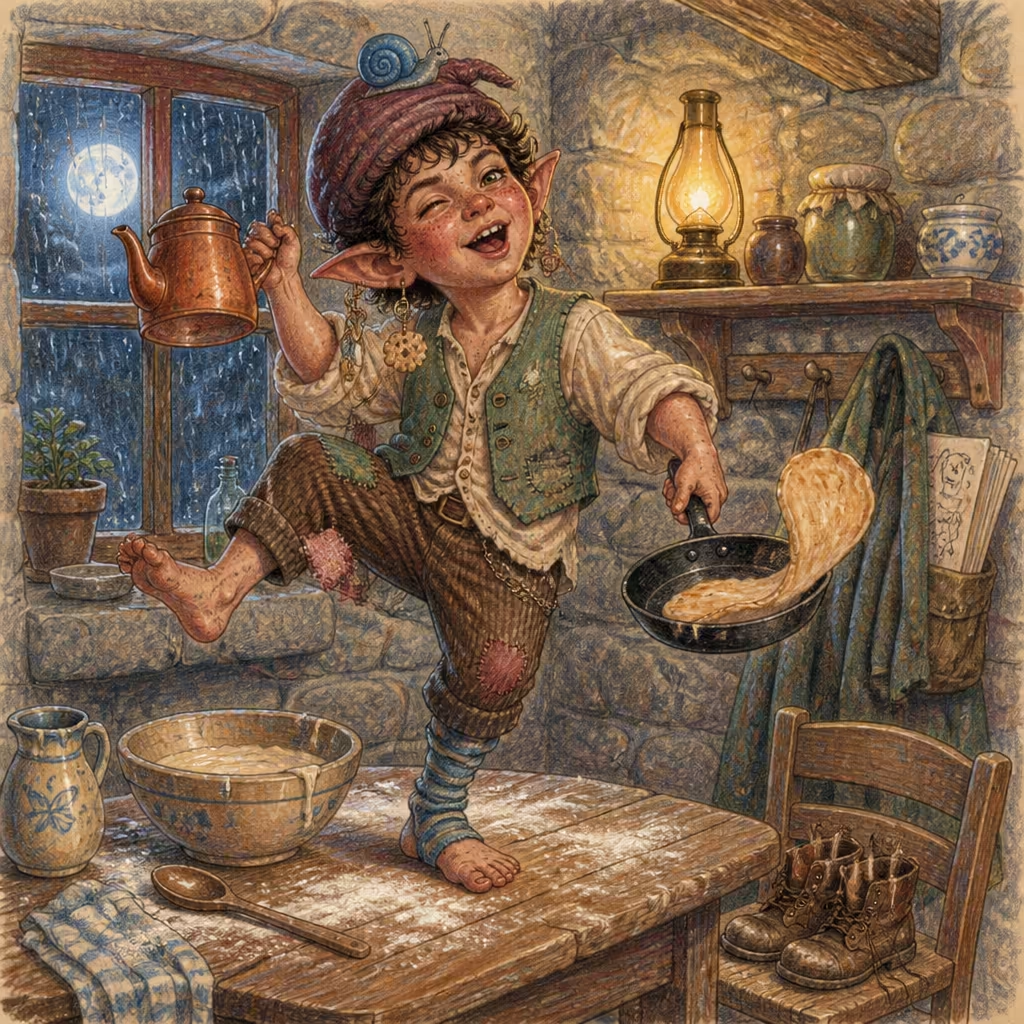
Carte blanche means full freedom to decide what happens next. Someone’s basically handed you the steering wheel and said go on then, drive. It shows up a lot in work, politics, media, and artsy chat because it sounds a bit polished. The funny bit is people love saying carte blanche, then quietly stapling rules onto it five minutes later.
Usage examples
"The editor gave me carte blanche on the headline, so I went wild. Then she added, keep it under ten words and PG."
"Mum gave the kids carte blanche on the playroom paint job and somehow we ended up with neon green walls, a glittery rainbow ceiling and a sticker collection on the radiator that will never come off."
"The new chef has carte blanche from the owner of the bistro on the menu, just no garnish that looks like a hedgehog, the last guy did that and the regulars have not forgiven him."
"They gave the designer carte blanche for the launch party, so now there’s a fog machine in reception and nobody’s acting surprised."
"Boss said I had carte blanche on the playlist, then sent me a list of banned songs before lunch. So not quite, mate."
Where it comes from
English took carte blanche straight from French, where it literally meant a blank paper handed over with authority to fill it in. It shows up in English from the 18th century, especially in political and diplomatic talk, and it stuck around as the slightly posh way to say someone’s got full discretion.