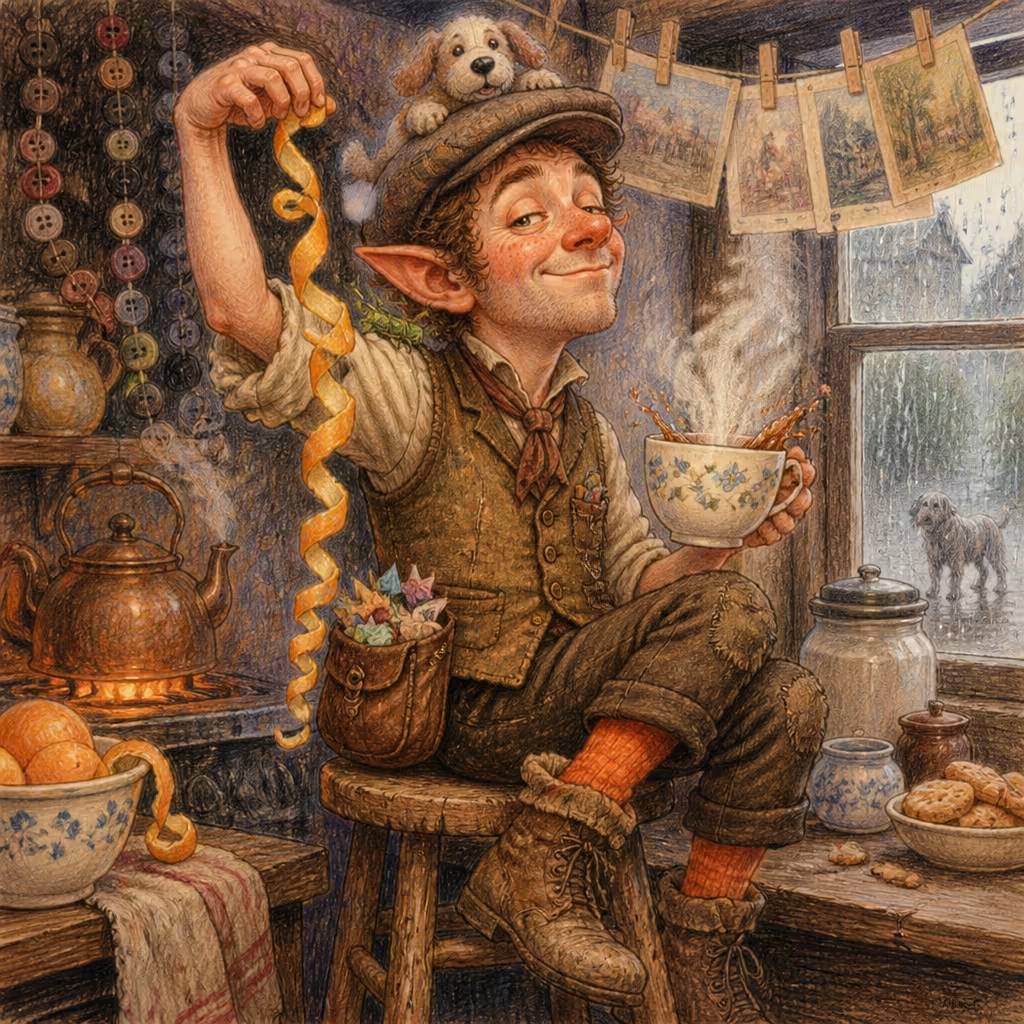
What it means
To witter is to rabbit on in a soft, harmless way about bits and bobs that don't really matter. It's the kind of chat that drifts rather than lands. Your gran can witter about the neighbours, your mate can witter down the phone, and half the time the point isn't the point at all. It's just cosy talk filling the room.
Usage examples
"Gran can witter on for hours about the old days, and honestly it is the best part of visiting."
"She wittered away about her garden the whole car journey and I did not mind one bit."
"My grandmother in Inverness can witter for the entire Sunday afternoon about the neighbour cat and the price of fish at the harbour market, I sit with the tea cup and nod along, and the conversation becomes the comfort of the visit rather than the information it carries to me."
"The lady at the bus stop in Glasgow wittered to me for fifteen minutes about her granddaughter wedding plans in October, the bus was late again, the wind was sharp, and by the time it arrived I knew the bridesmaid colours and the menu of the evening reception by heart."
"He just sat there wittering about the weather, the bins and next door's dodgy fence, and somehow it was dead soothing."
Where it comes from
It comes from older Scots and Northern English use, where witter meant to chatter or make small repeated sounds. That sense hung on in British English and softened over time into the everyday verb for rambling on about little bits of nothing in a harmless, often oddly comforting way.