What it means
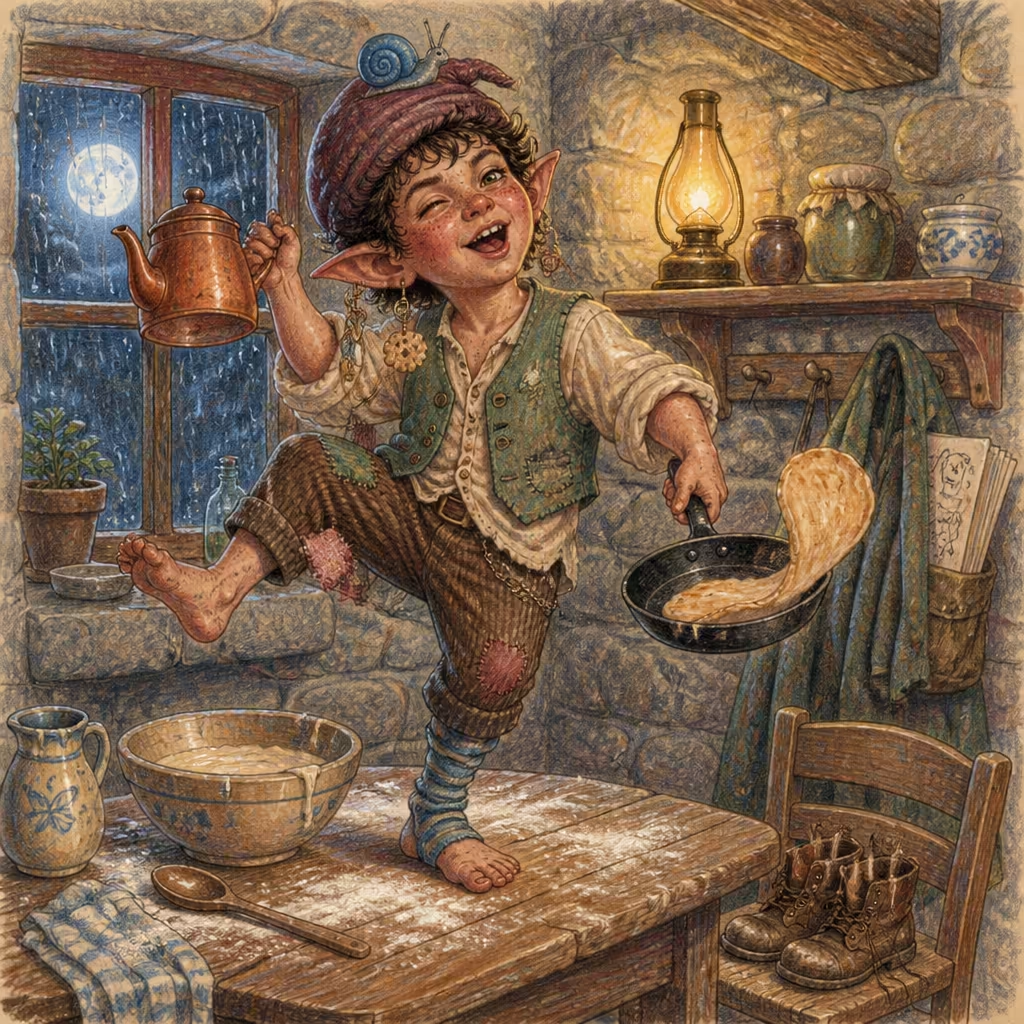
A cheerfully old-school way to say something's very good, spot on, or nicely sorted. It has that tidy British glow to it, a bit posh, a bit playful. People can mean it straight, but loads of the time it lands with a wink when something goes right and everyone's acting a touch more fancy than needed.
Usage examples
"The train turned up on time and the Wi‑Fi even works. Jolly good, mate. Let’s call it a win and grab a cheeky pint."
"You finished the whole report already? Jolly good."
"Tea at four and cake to follow, jolly good indeed."
"You got the boiler working without blowing up the house? Jolly good, carry on."
"Right, tickets booked, bags packed, no one forgot their passport. Jolly good."
Where it comes from
It comes from pairing jolly, long used in English as an intensifier meaning very, with good. The phrase was well established in British English by the 19th century and picked up that polished, upper-crust flavour, which is why it still sounds neat, hearty, and a little bit theatrically proper.
Other ways to say it
This expression also appears in