What it means
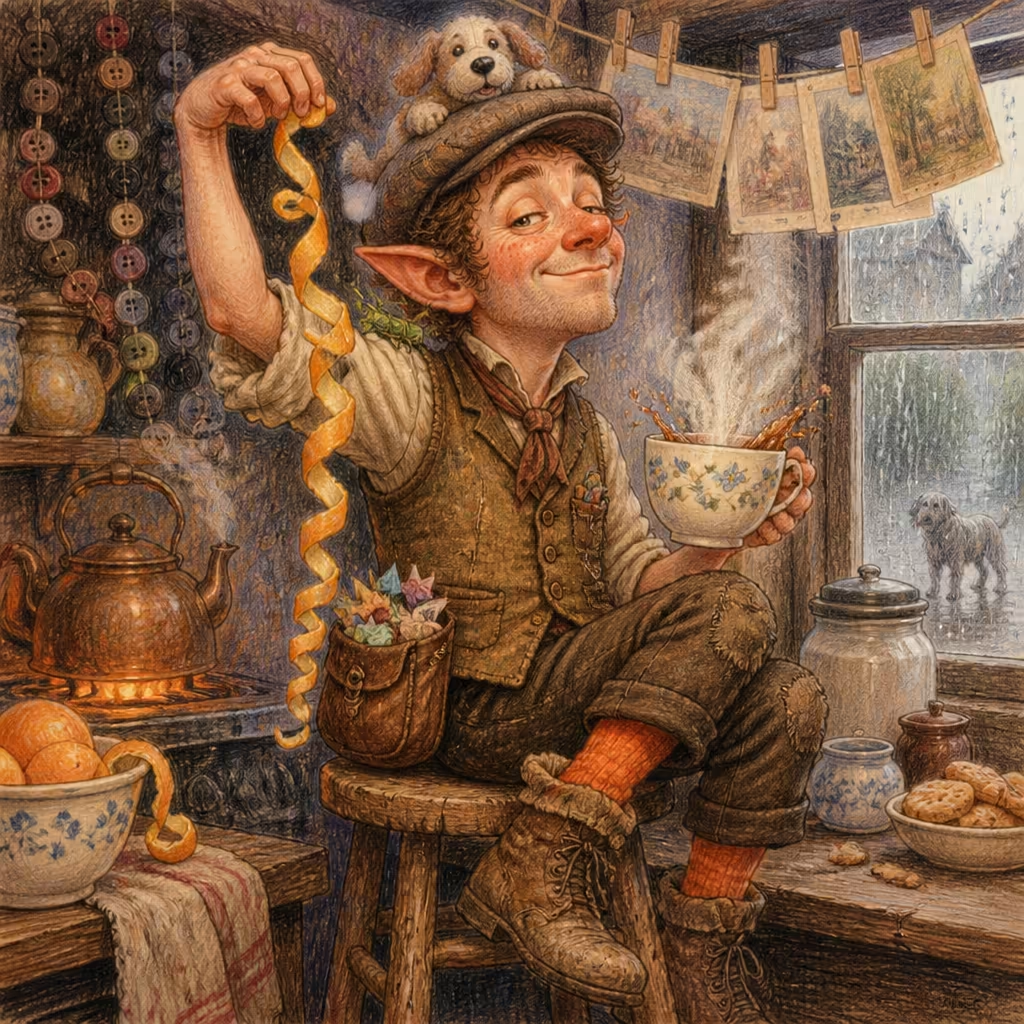
Describes someone who instinctively spots the upside when everyone else is busy having a moan. A glass-half-full person will find the tiny win in a shambles and try to keep things moving. Sweet in the right moment, slightly annoying when you're clearly trying to sulk in peace.
Usage examples
"The place is freezing and the heater’s died. Jess goes, at least the milk won’t spoil. I’m like, you’re so glass-half-full, let me sulk."
"She is so glass-half-full that even a rainy holiday becomes an adventure."
"Try to be a bit more glass-half-full about the move, it could be great."
"We missed the train, the pub shut early, and Dan still goes, right, bonus, we got a night walk out of it. Proper glass-half-full bloke."
"Only you could get rained on at the beach and call it free skin care. That's disgustingly glass-half-full, mate."
Where it comes from
It comes from the classic idea of looking at a glass filled halfway and calling it either half full or half empty. That image caught on in everyday English as a tidy way to talk about optimism versus pessimism, then grew into a label for upbeat people in general.