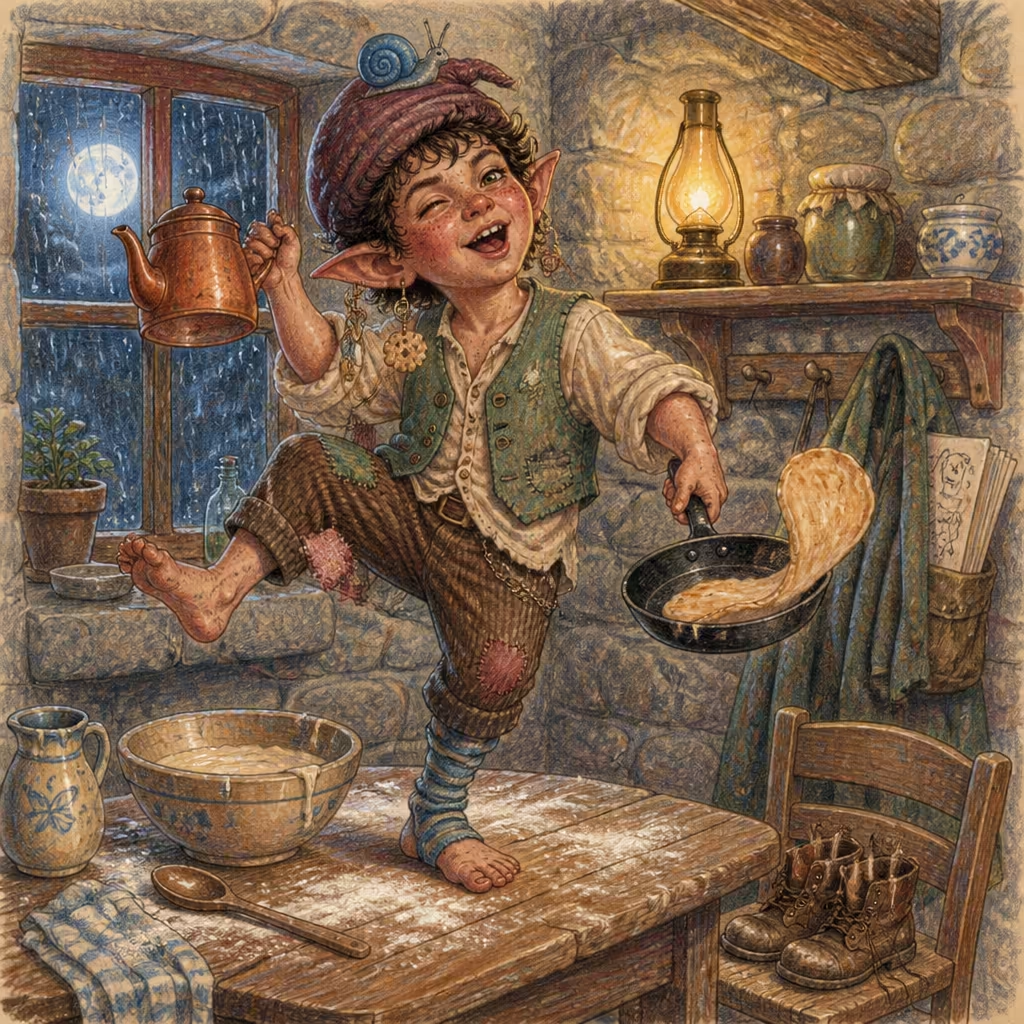
What it means
Used for food that looks or tastes so good your mouth's basically starting the party before you've even had a bite. If a pie, burger, curry or sauce is lip-smacking, it's properly delicious, the sort of stuff that has people licking their lips and going straight back in for more.
Usage examples
"The barbecue stand does a lip-smacking pulled pork that has people queueing right round the block by noon."
"The new pizza of the corner restaurant of the high street of Highbury in north London is absolutely lip-smacking, the tomato sauce is made from the Sicilian variety of the supplier of the chef, the mozzarella is buffalo from the Campanian farm of the family of the owner, and the basil arrives daily from the herb garden of the back yard of the kitchen."
"The Christmas dinner of the family of my colleague at the boutique hotel near the Cotswolds was a lip-smacking affair from start to finish, the goose was roasted with chestnuts of the local forest, the gravy was reduced from the bone stock of the morning, and the plum pudding was set alight at the table with brandy of the same vintage as my grandfather."
"That jerk chicken was lip-smacking, mate, I was still thinking about it on the ride home."
"Mum pulled out this lip-smacking apple crumble and the whole table went dead quiet for a minute."
Where it comes from
Recorded in English by the late 1800s, lip-smacking comes from the literal act of smacking your lips after eating something tasty. It first showed up in writing for greedy enjoyment and strong appetite, then food writers and advertisers helped turn it into a lively everyday way to mean seriously delicious.