What it means
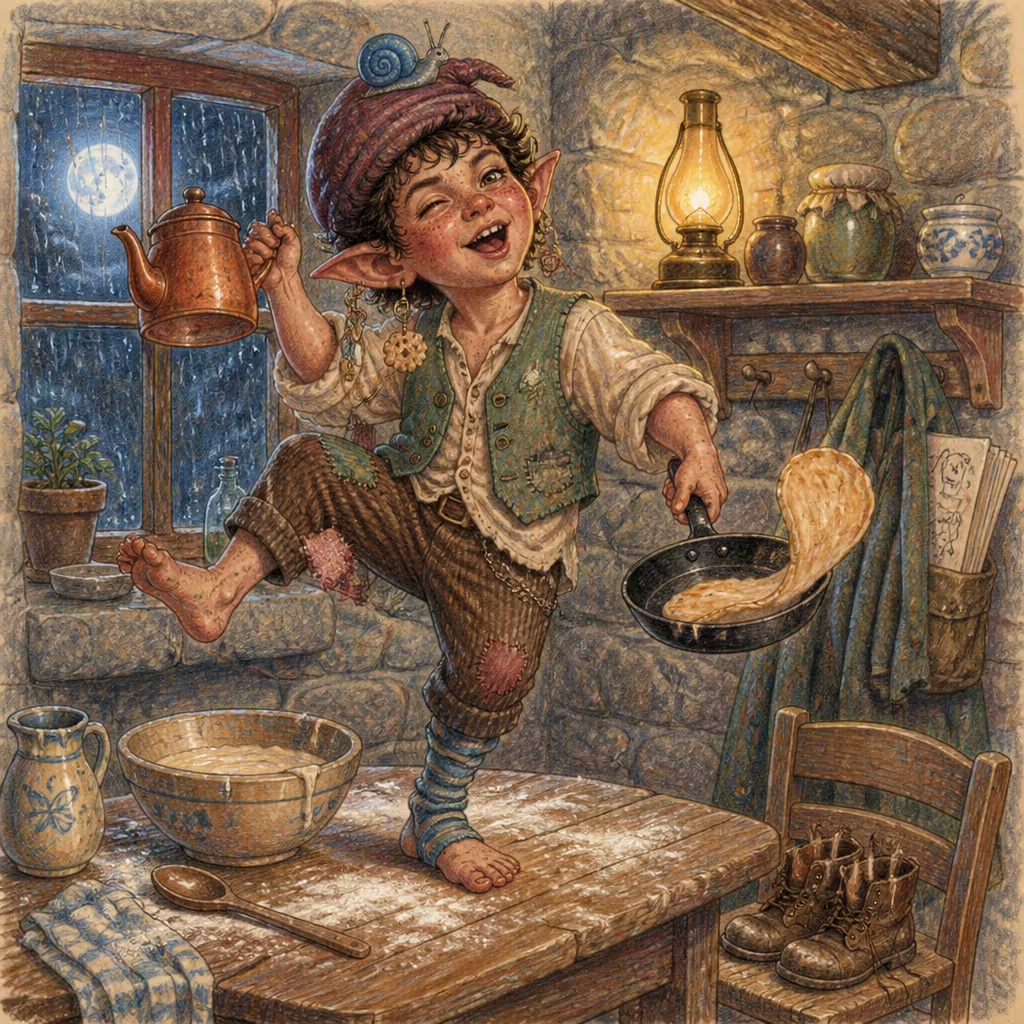
Lad is a really common British and Irish word for a boy or young bloke. It can be totally neutral, just meaning some guy, or warm and approving, like saying he’s decent, funny, solid company. It also carries that laddish vibe in some contexts: mates, banter, pints, football chat, daft nights out, and sometimes behaviour that tips from harmless into a bit grim.
Usage examples
"Our Kev’s a proper lad, already buzzing for Saturday, couple of pints in town then back to his for the afters, no drama."
"He's a good lad, helped the neighbour carry the shopping up four flights without being asked."
"A couple of lads from the team stayed behind to stack the chairs after the match."
"Leave him alone, he’s only a lad and he’s trying his best."
"Bunch of lads outside the chippy acting like they own the pavement."
Where it comes from
Lad is an old English word that's been in use for centuries, meaning a boy or young male. It stuck around in everyday speech across Britain and Ireland, then later picked up that extra social flavour tied to bloke culture, matey banter, pub nights, and that whole one-of-the-lads energy.