What it means
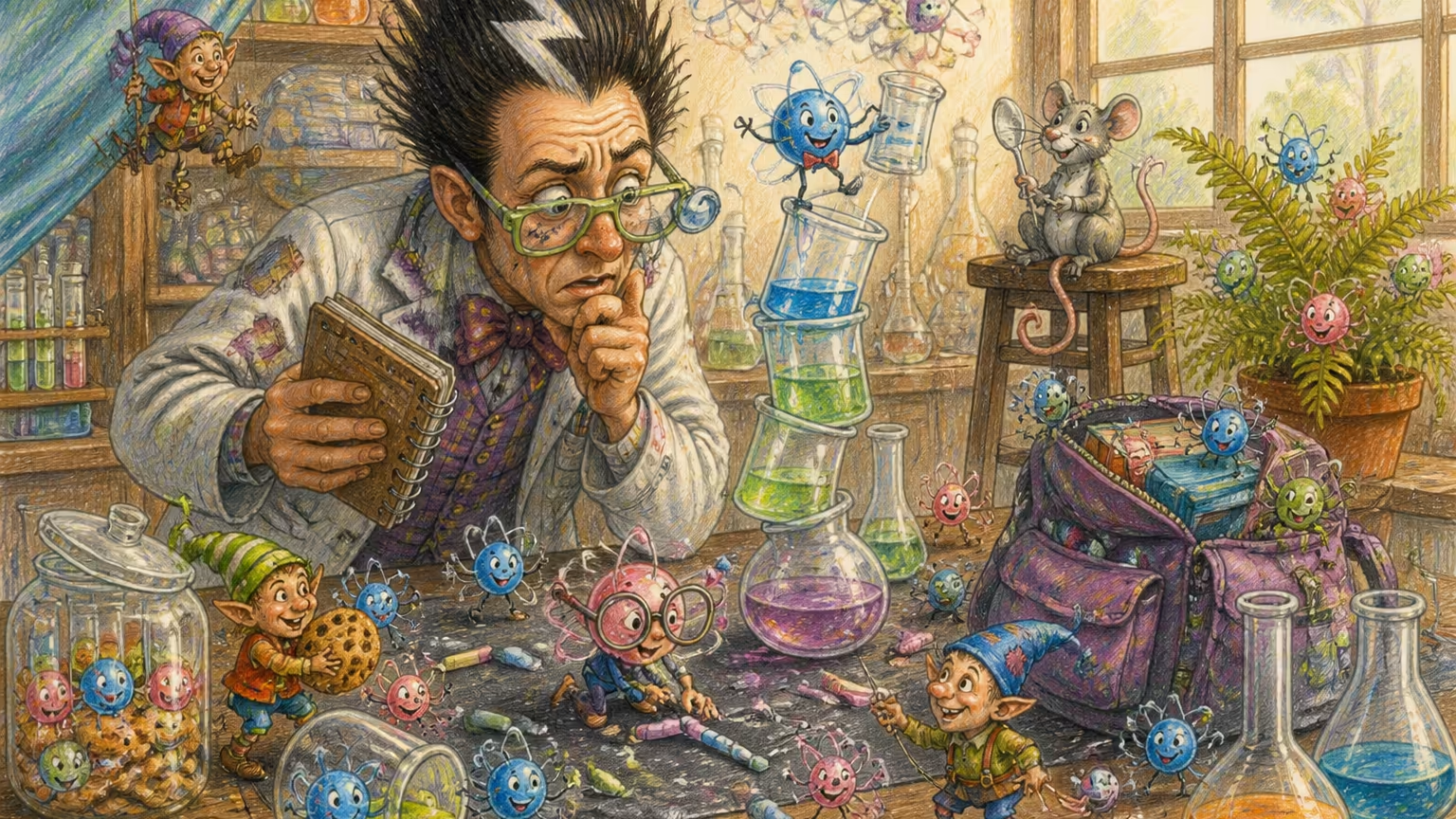
Those early hiccups you get when something’s brand new, like a product launch, new job, or fresh bit of software. It’s the same idea as a baby cutting teeth, a bit painful and messy at first, but it settles down. Usually implies minor, fixable glitches, not full-on disasters. If it’s genuinely broken, calling it teething problems is cheeky optimism.
Usage examples
"The new booking system’s got teething problems, mate, keeps double-charging and freezing, but the IT lot reckon it’ll be sorted by next week."
"The new app has a few teething problems, it crashes now and then, but the developers are patching it fast."
"Every restaurant has teething problems in its first month, give the kitchen a bit of time to find its rhythm."
"We’re still having a few teething problems with the new tills, so don’t lose your rag if the receipt machine starts acting possessed again."
"It’s only week one of the redesign, mate, these are teething problems, not the end of civilisation."
Voice comments
No one has left their voice yet. Break the ice.
Where it comes from
It comes straight from literal teething in babies, when new teeth push through and everything turns sore, fussy, and a bit chaotic. English borrowed that picture in the 20th century for the small early troubles that crop up when a new system, project, or setup is just finding its feet.
Other ways to say it
Editors of this term

Your vote counts
Is this real street talk or have we lost the plot? Cast your vote.