
Keep It
Forty-one years later, forty minutes inside
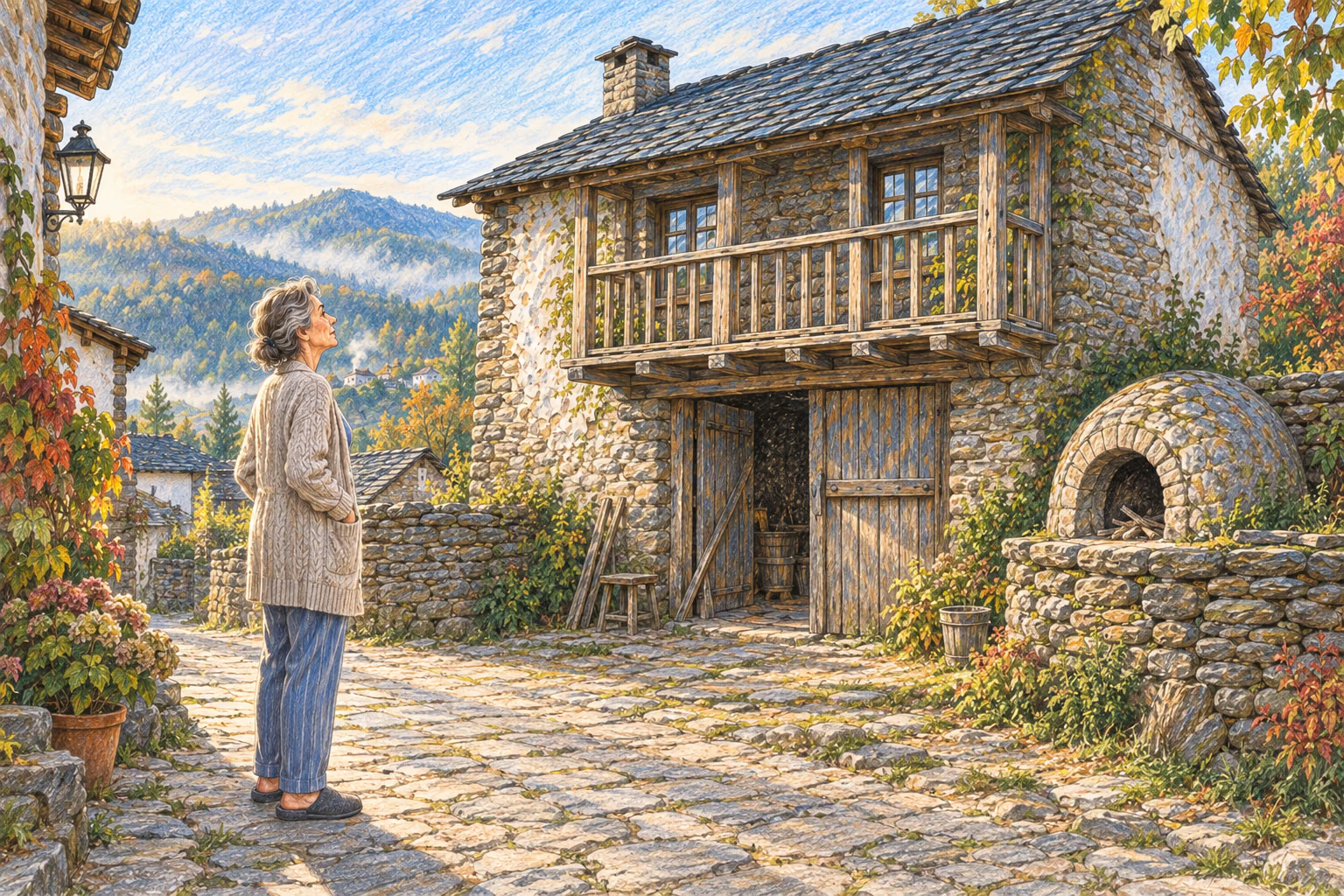
On the first day, Hortensia found a thousand ways to stay near the house without going up. She lingered by the oven, in the street and in the stable, which had its own outside entrance. When Queta came to fetch her, she said she was perfectly happy on the step. She went to the hotel to sleep, because her hip wasn’t up to trying hammocks.
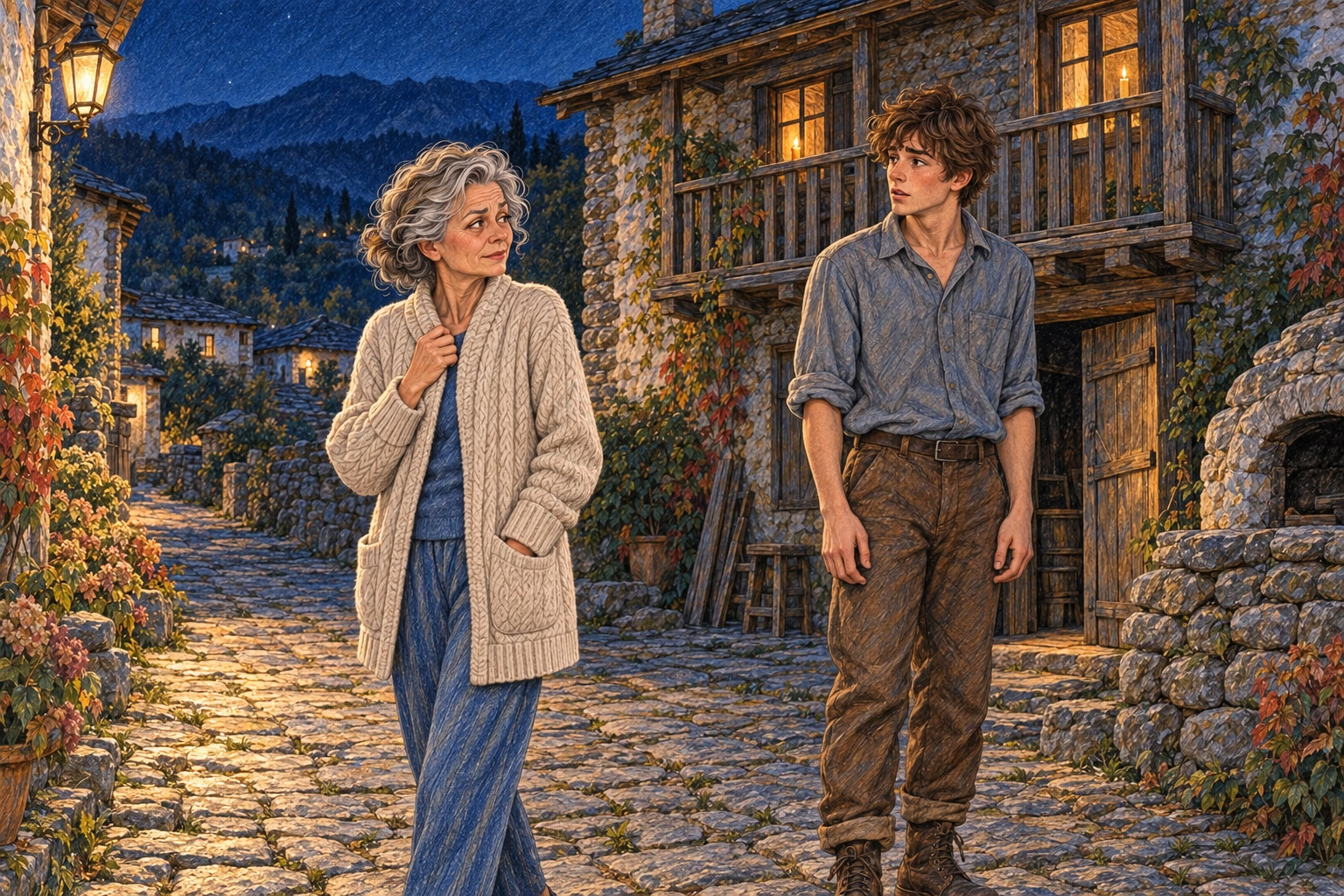
On the second day, at half seven in the morning, Axel saw her from the balcony, on her own in the middle of the street, a cardigan over her pyjamas, looking at the front of the house.
He went down and stood next to her.
“It’s smaller,” she said.
“The house?”
“I remembered an enormous house. And it’s a normal house.”
“Well, you were nineteen.”
“Yes.”
She looked at the oven, which Úrsula had cleared of ivy.
“My mother used to put thirteen loaves in there. Thirteen. On Tuesdays. Half the street came for bread and nobody paid, and in exchange they brought us things all year round. A rabbit. A dozen eggs. A sack of chestnuts.” She ran her tongue over her lips. “And I spent my teenage years thinking that was what being poor was. And now I tell people in the city and they say ‘how lovely’.”
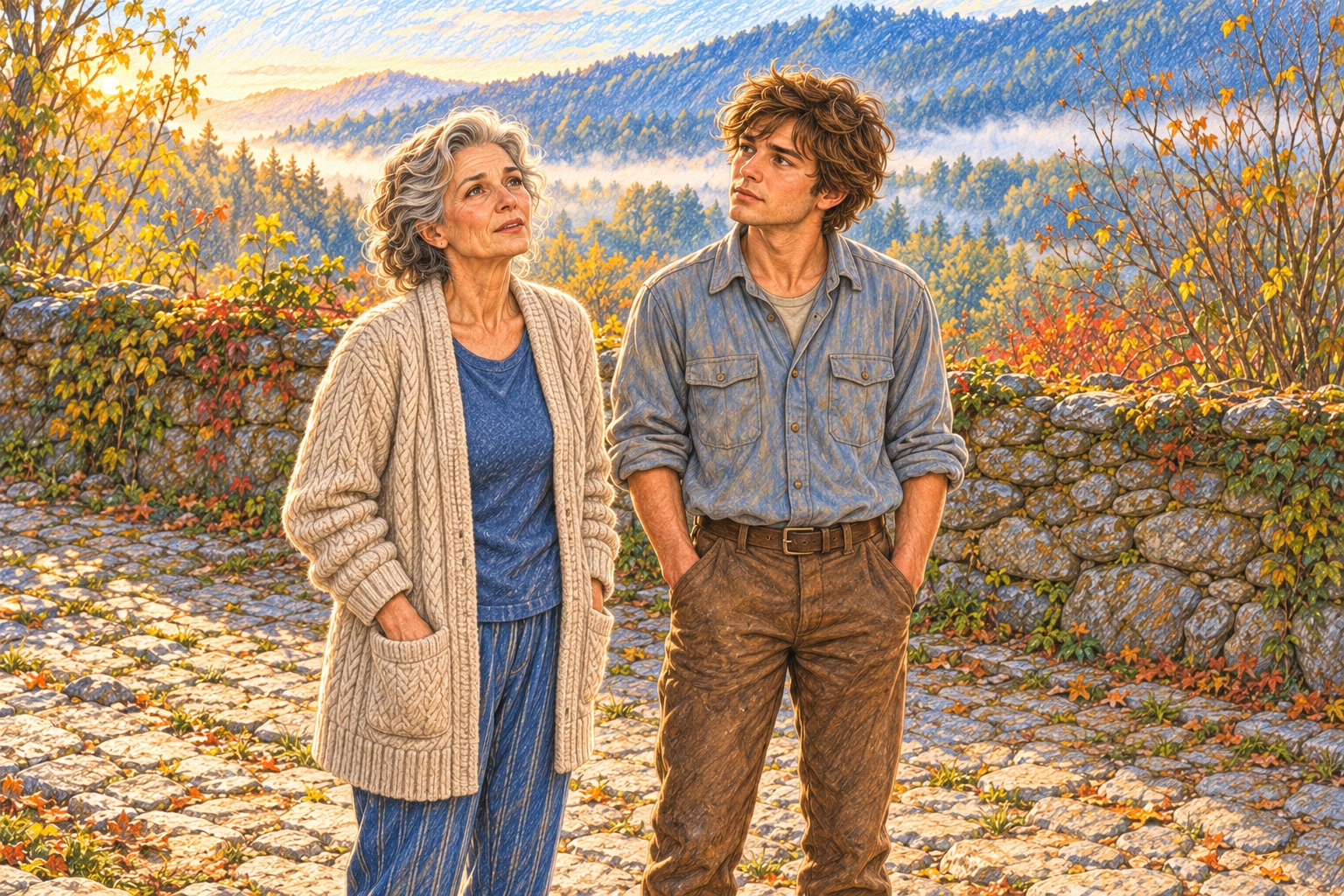
And she didn’t go on.
On the way back she stopped in front of the corner house and lifted her face to the upstairs window.
“Good morning!” she said, nice and loud.
The net curtain moved. That was all.
“Fifty years,” said Hortensia. “And she still doesn’t answer. Talk about commitment.”
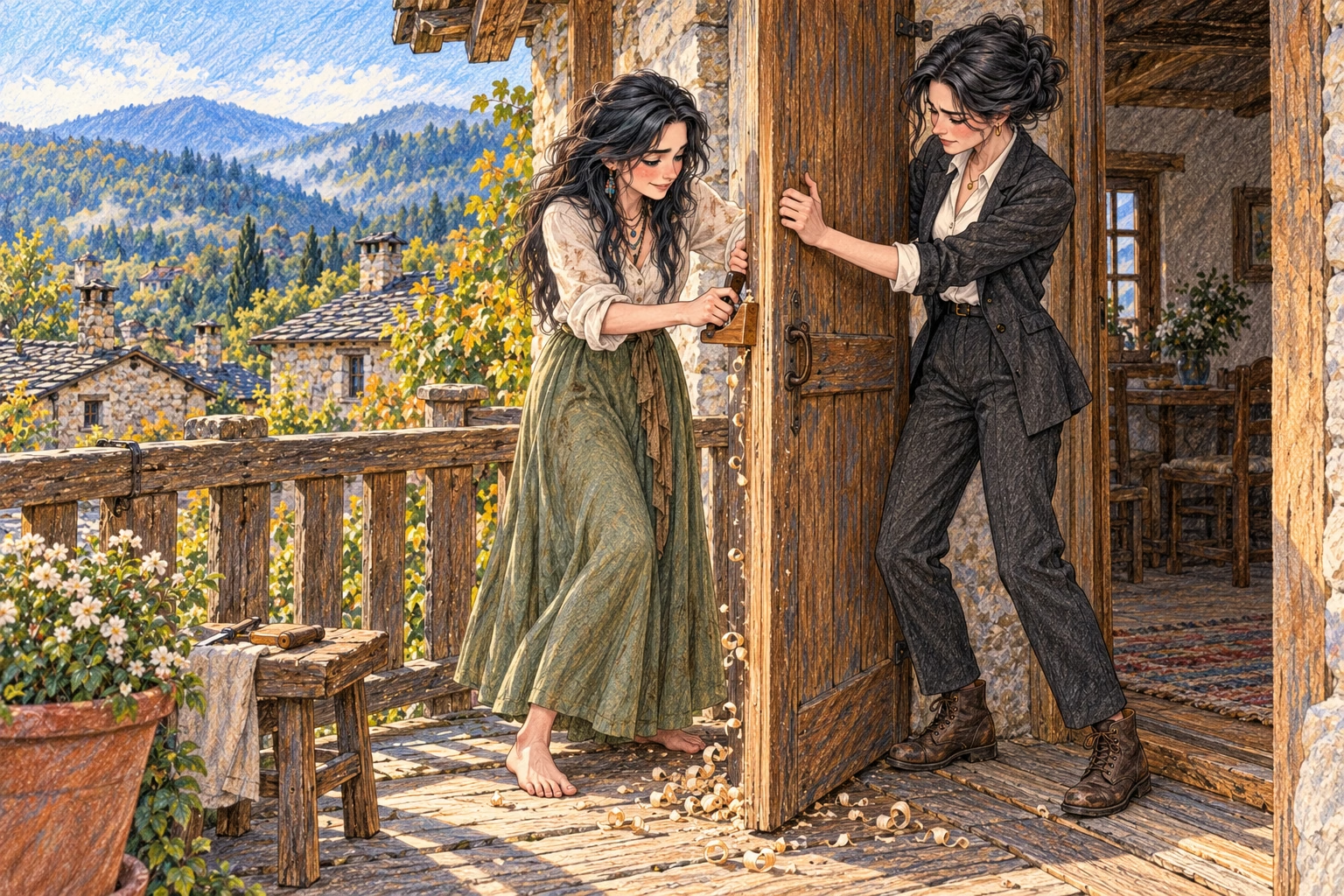
Irene bought boots at Trini’s shop, which apparently sold boots as well, and spent the morning holding the balcony door while Eva trimmed the edge with Ximo’s plane. Whenever Irene tried to help by lifting it a little, it stopped fitting somewhere else.
“Hold still. You’re more help if you do nothing.”
Irene held still. On the third try they managed to close the door, though it still needed a shove with a hip.
On the Monday at ten the folder guy came up, with his smile on from the fountain.
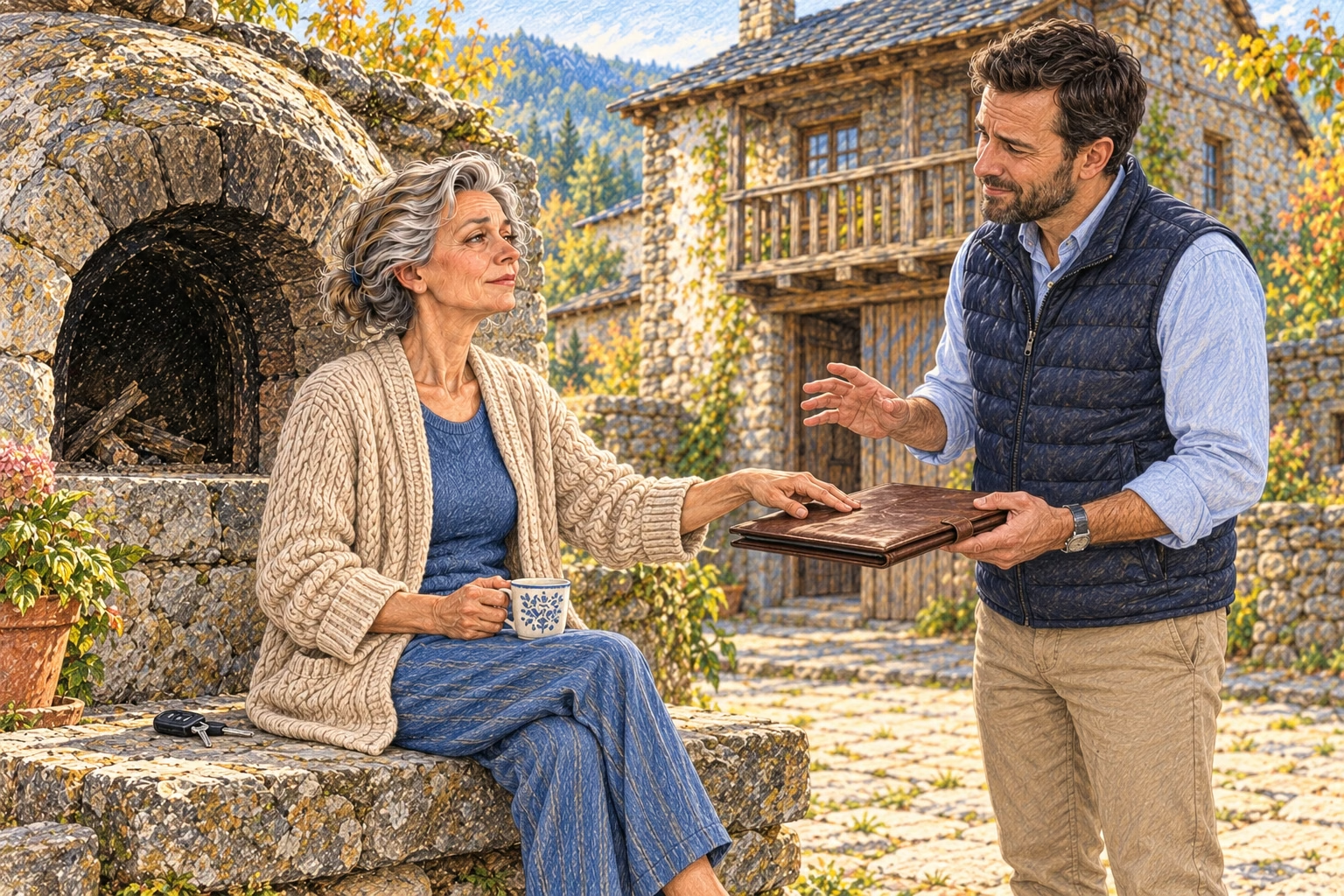
Hortensia was sitting on the stone slab of the oven, in the sun, with a coffee.
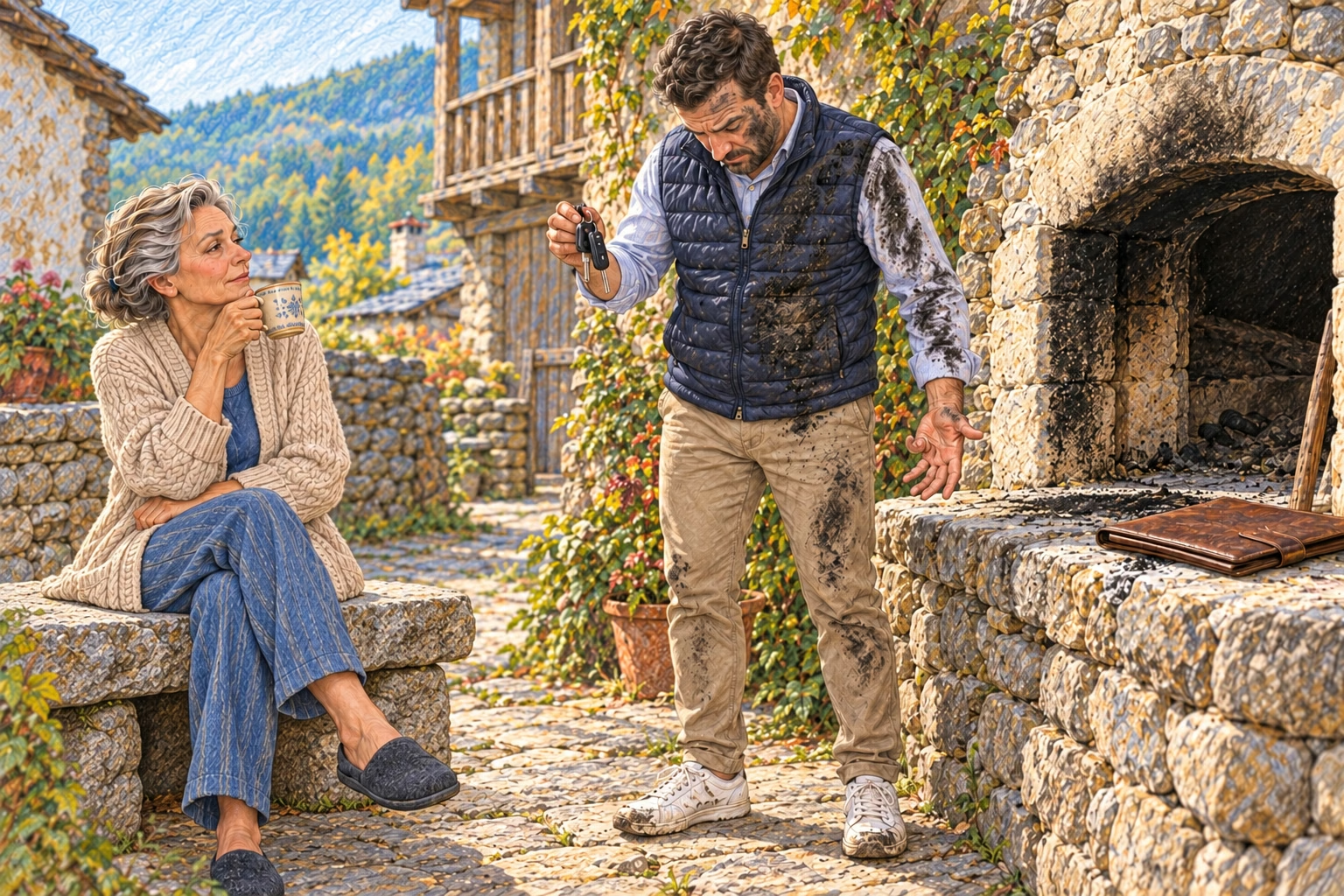
“Mrs Rebollo?” He held out his hand. “What a pleasure, honestly. I just came to tell you our offer still stands. And we’ve improved it. A lot. It’s a project with enormous respect for the essence of the setting, you know?” He put his car keys down on the slab, next to her coffee, so he’d have both hands free for the folder. “If you could give me five minutes…”
Hortensia left the man’s hand waiting in mid-air. She inspected his waistcoat and trainers, a habit she’d picked up from Queta in two days, and planted two fingers on the folder before he could open it.
“Son. This house isn’t for sale. It’s been given.”
Axel, who was in the garden with the hoe, stopped with the hoe in mid-air.
The folder guy smiled harder.
“Everything’s up for discussion, Mrs Rebollo.”
“Discussion, yes.”
And she shut her eyes to the sun, with the cup on her knees.
When he went to pick up his keys, the man found the slab empty. He explained three times that he’d left them beside the coffee, patted all nine pockets of his waistcoat and ended up crouching in the ivy in his white trainers.
Axel was the only one who saw the other thing. In the mouth of the oven, for a second, a foot. Small, bare, black with soot up to the ankle. It went back inside.
After half an hour searching, the man with the folder stuck his head and half his body into the mouth of the oven, just to try. He came out with the keys in his hand and a generous load of soot shared between them and his waistcoat.
“But how…?”
Hortensia opened her eyes. She didn’t get up off the slab.
“That happens to all of us, son.” She took a sip of her coffee, looking him in the eye, not moving an eyebrow. “I once found my purse in the fridge.”
He looked down at his gilet.
“Look, son,” said Hortensia. “You’ve had your rural experience now. And I’m not charging you for it.”
He went off down the street with the smile still on and his back black.
“Have you still got my things?” Hortensia asked Axel.
Axel put his hand in his pocket and took out the bit of flour sack, gone soft after five months, with the two papers inside.
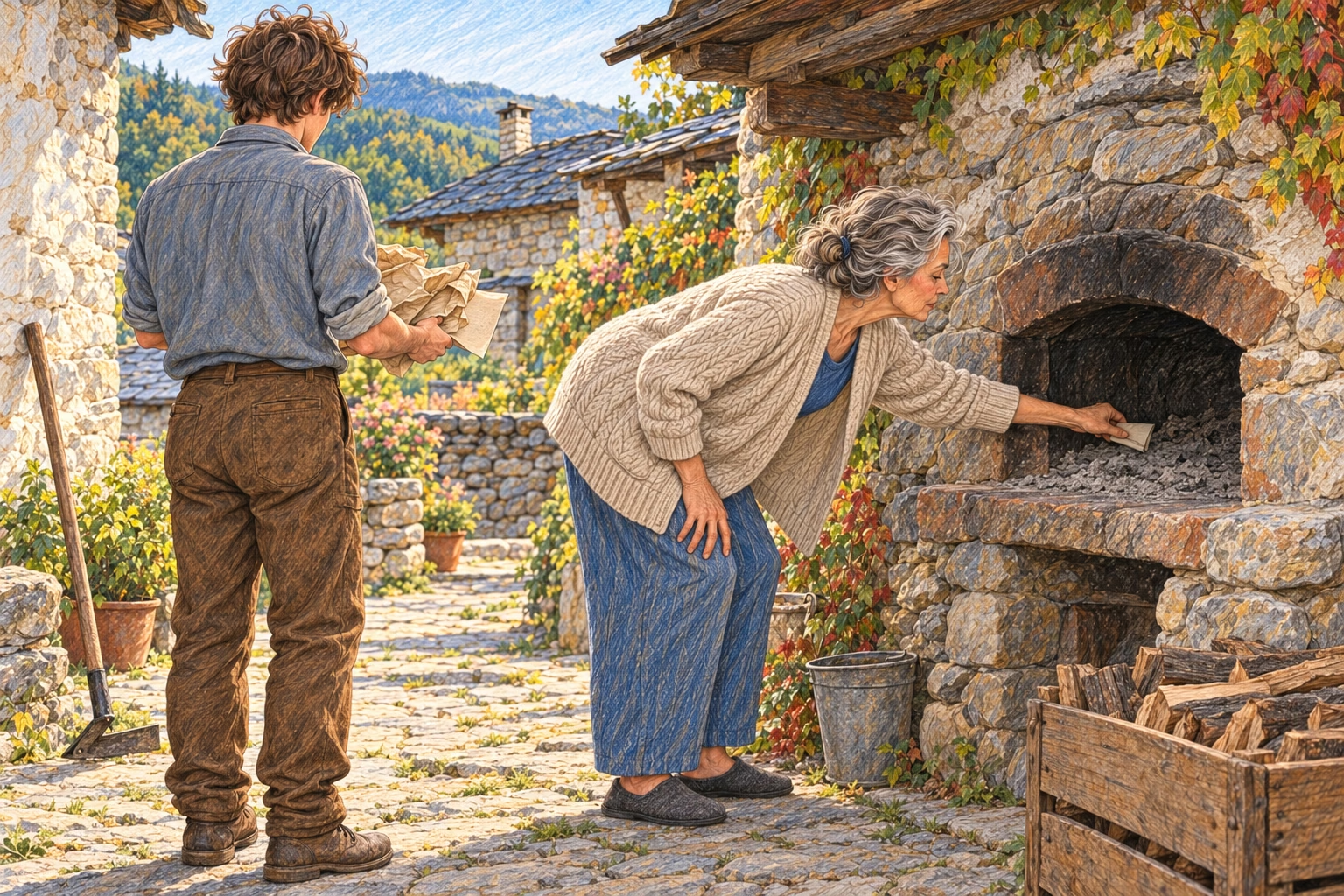
Hortensia tore the brochure off its staple in one go and folded it in four. She got up with a groan at the pain in her hip and pushed it into the mouth of the oven, right to the back.
“For when you light it,” she said. “You’ll need paper.”
She gave him back the rest.
“And hang on to this. It still has the last word.”
Axel went back to his hoe.
That afternoon, while the others were down at the shop, Hortensia went in alone. Axel saw her from the garden and carried on with his work. She came out forty minutes later, with red eyes and her chin held high.
“It’s lovely,” she said. “The tree thing is idiotic and I love it.”
She sat down on the step.
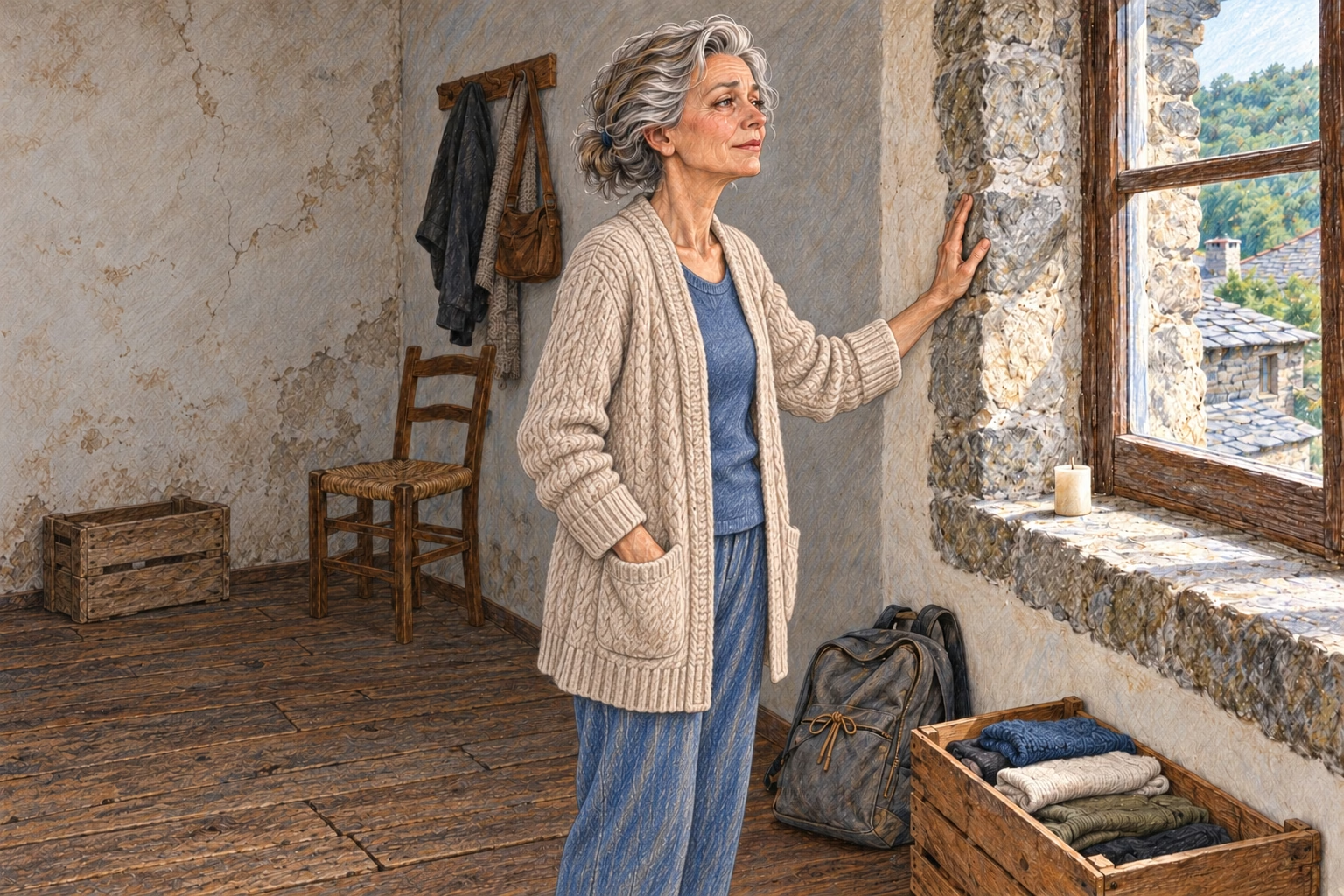
“I’ve been in my room. The one with the little window.” She looked at the street. “And I went in and there’s a school rucksack in a corner, and a fruit crate with clothes folded in it, and a candle in the window.”
“Yeah, it’s just there’s still no…”
“No, no, love.” She put her hand on his arm. “That’s what I’m telling you.”
“Oh, and tell Trini she was right. You have to put something sweet out for them.”
“For who?”
“The ones upstairs, love.” She brushed off her trousers. “There was one sitting on my windowsill, in a waistcoat made out of a rag I half recognised, and he looked at me the way you look at someone who’s turned up late. Not one ‘how lovely’, mind. That lot have never said it in their lives.”
“And didn’t you…?”
“Love, I grew up here. Forty-one years without seeing them. And that made me angrier than the house did.”
Before getting up, she added, looking out into the street:
“And that business at the crossroads, love. ‘How lovely,’ I said to you.” She shook her head. “How daft can you get.”
And she never mentioned it again.
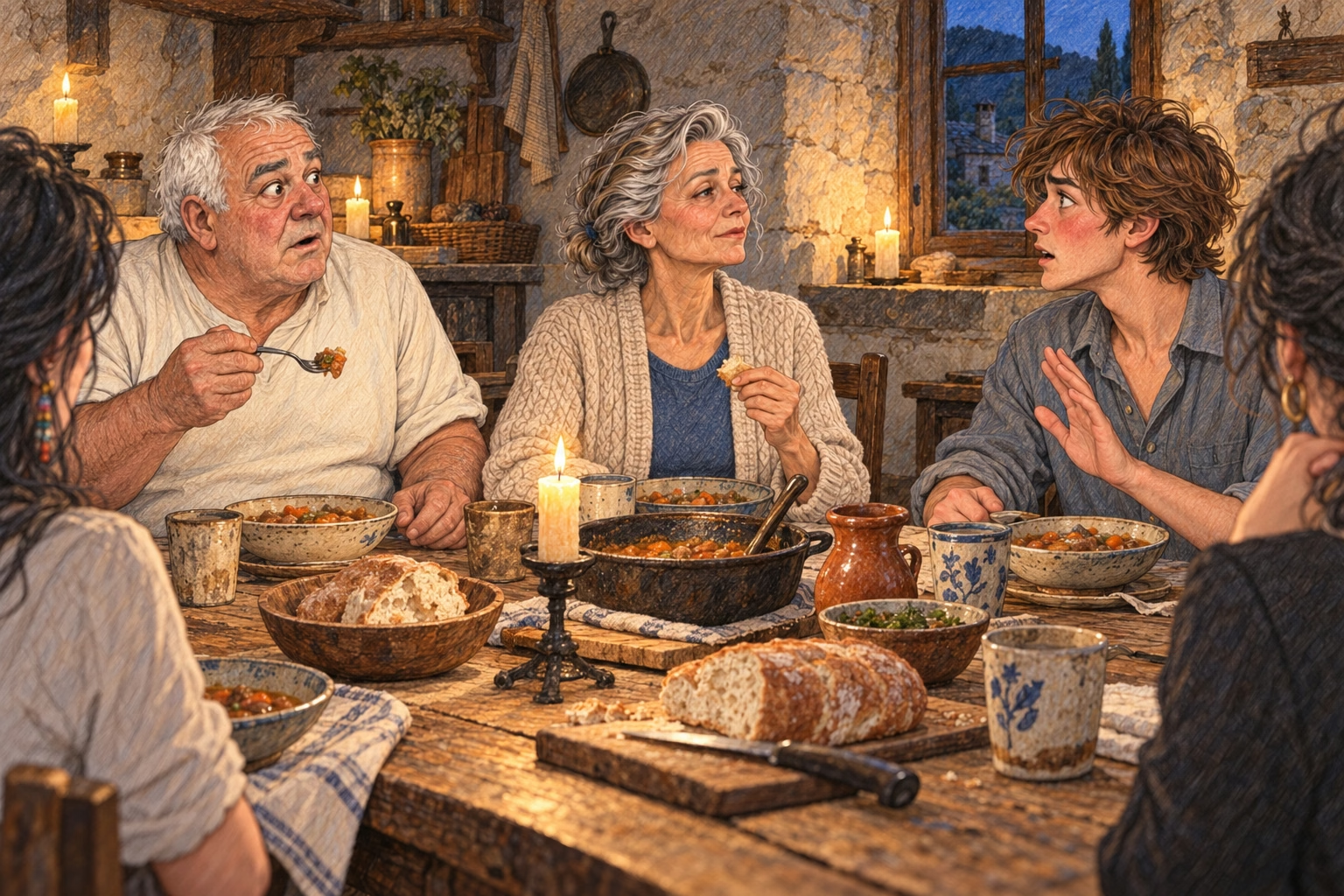
At dinner, the first she’d eaten at the table with everyone, Hortensia came out with it, her mouth full, as casually as if she were asking someone to pass the bread:
“Right. I’m giving it to you.”
Paco’s fork stopped halfway.
“What?”
“The house.” She took some bread. “It’s yours.”
“Hortensia. No.”
“Yes, love.”
“No.” Axel was going red. “This morning they were offering to pay you for it.”
“That’s why,” said Hortensia. “I sent you to see if it was still standing, and you haven’t asked me for it.”
And carried on eating.
Irene put her fork down.
“That’s done at a notary. Two, one there and one here.” She folded her napkin. “And after the council surveyor’s been up, because nobody gives away a house with that order on the door. You give it away and you give away the debt. I’ll handle it.”
“You’re not handling anything, sis,” said Eva.
“I’m handling it, Eva. It’s what I know how to do.”
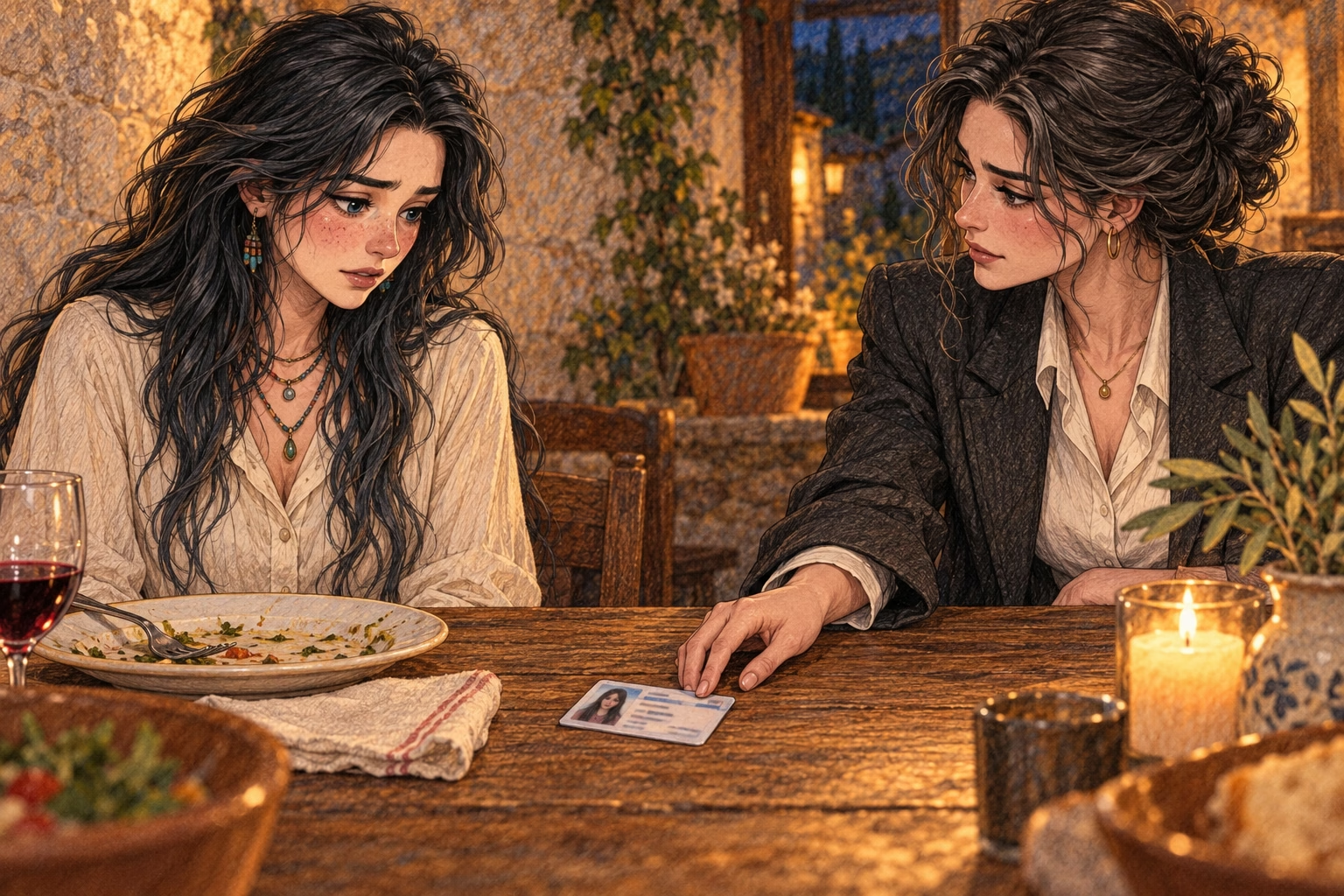
She took something small and plastic out of her handbag and put it in front of her sister, next to her plate.
It was Eva’s identity card, with the photo from when she was seventeen and her hair reached her waist.
“It was in your drawer. I brought it just in case.”
Eva looked at it without touching it.
“It’s expired.”
“I know. You renew it.”
Eva picked it up and put it in her inside pocket.
Axel walked Hortensia out to the street. In the cold, she turned up the collar of her cardigan and looked up at the balcony, where there was a candle burning.
“I’m going back on Tuesday.”
“Here,” Hortensia added.
“Yes?”
“And what about you two?”
“What about us two?”
“Nothing, love. It’s just I’ve been waiting since a barbecue by a river for one of you to say something. And I’m getting on for sixty-six.”
And she went off down the street before he could answer.
On the Tuesday at seven, while the others were bringing the bags down, Irene waited with Axel at the door.
“Here. Thanks for ringing me that time. In June.”
Axel shook his head.
“Don’t thank me for that. I did it all wrong. Three months behind her back.”
“She told me. She said if I ever ring you before her again, I’m never coming up this street again.”
“That sounds like her.”
“It sounds exactly like her.”
Before going down to the car, Irene added:
“When the thing with our parents happened, somebody had to ring the funeral home, and the lawyer, and my mum’s eighty cousins. That was me.” She put her hands in the pockets of her nice jacket. “Somebody has to stay behind and turn the lights off, Axel. And that one never gets in the photo.” She settled her handbag on her shoulder. “And don’t tell her, because it’s the worst thing about my sister. She’s nearly always right. And barefoot on top of that.”

Hortensia was fighting with the seat belt in Paco’s car.
“Aren’t you staying?” said Eva from the door.
“Here? Oh, love, no. I’d die of boredom here in two weeks.”
“And down there you wouldn’t?”
“Down there I’ve got a bakery.” She wound the window all the way down. “And a man who sings along to the radio.”
Paco, on the other side, gave two thumbs up.
Irene was the last one down the street, wearing Trini’s boots and carrying her good shoes.
The white car went down in first gear, Hortensia’s arm out of the window and Paco honking as he took the bend. Axel listened until he could no longer hear it.
Going up for the bucket, he stopped in the bedroom doorway. The school backpack was still propped beside the little window, closed, the shoelace pulled tight. Eva had kept it ready since the day she came back, with the plastic sheet, the rope, a change of clothes and the notebook inside.
The blue one was downstairs, in the byre, hanging on a nail by the door with the clothes pegs in it. She’d hung that one up herself.