
What it means
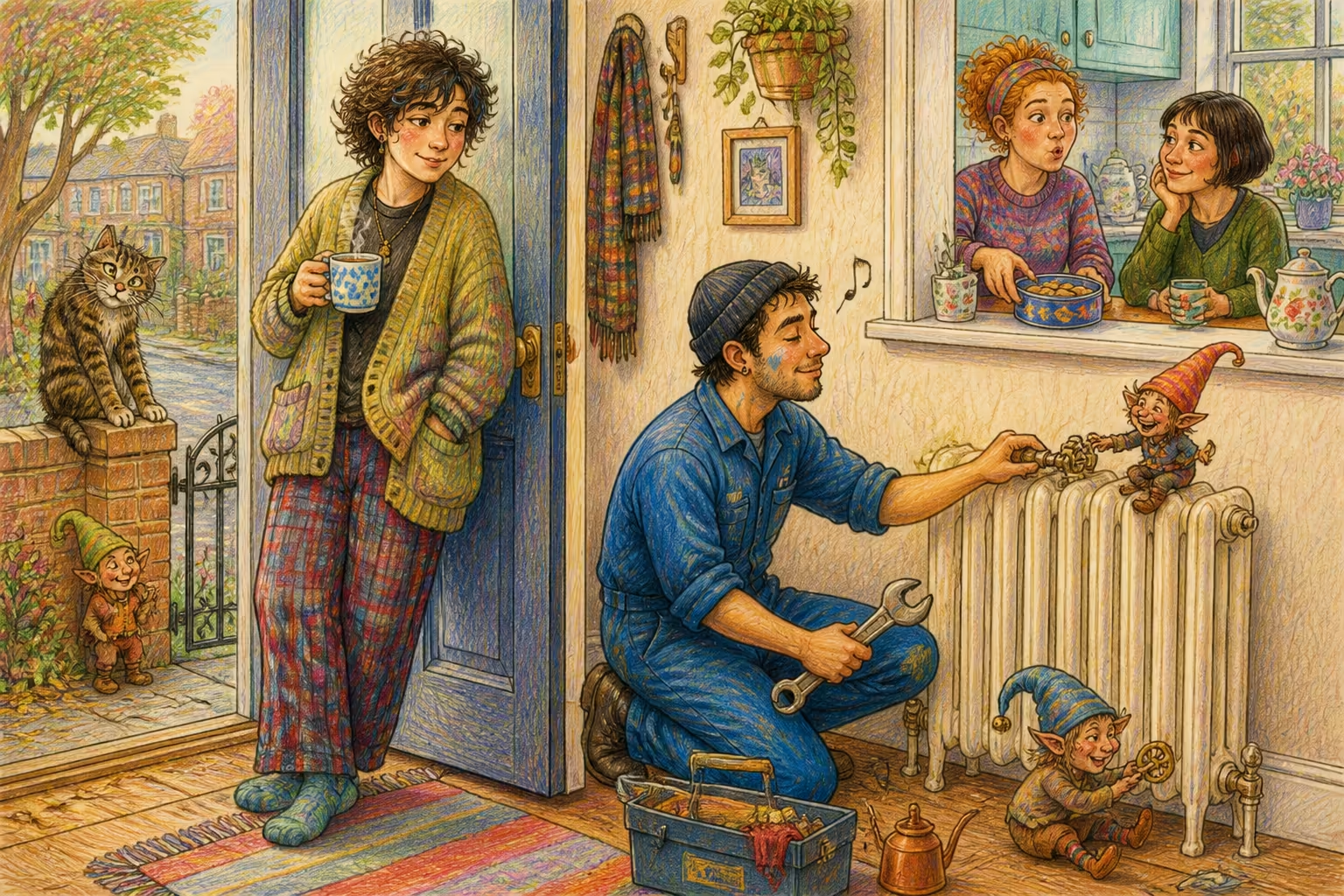
A sweet, easy-going British way to say someone’s attractive without making it sound too heavy. It’s got a cosy little wink to it, the kind of compliment you might hear over tea about a TV presenter, the new GP, or the bloke who came round to fix the boiler. Warm, playful, and a bit cheeky, not full-throttle lust.
Usage examples
"Have you seen the new weather presenter? Bit dishy, if you ask me."
"The new barista is proper dishy, half the queue goes in just to say hello."
"She reckons the lead actor is dishy, but I think he's a bit much, honestly."
"That bloke from the chemist is a bit dishy, isn't he? Makes picking up shampoo feel oddly glamorous."
"Mum's obsessed with that gardener off the telly. Says he's dishy and very handy, which is apparently the dream."
Where it comes from
Dishy comes from dish, which has been used in British and American English since the early 1900s for an attractive person. The adjective dishy showed up soon after as a lighter, breezier way to say good-looking. In British chat it stuck with that soft, approving sparkle rather than sounding blunt or overly sexual.