
Úrsula
She came on holiday for five days and has stayed thirty years
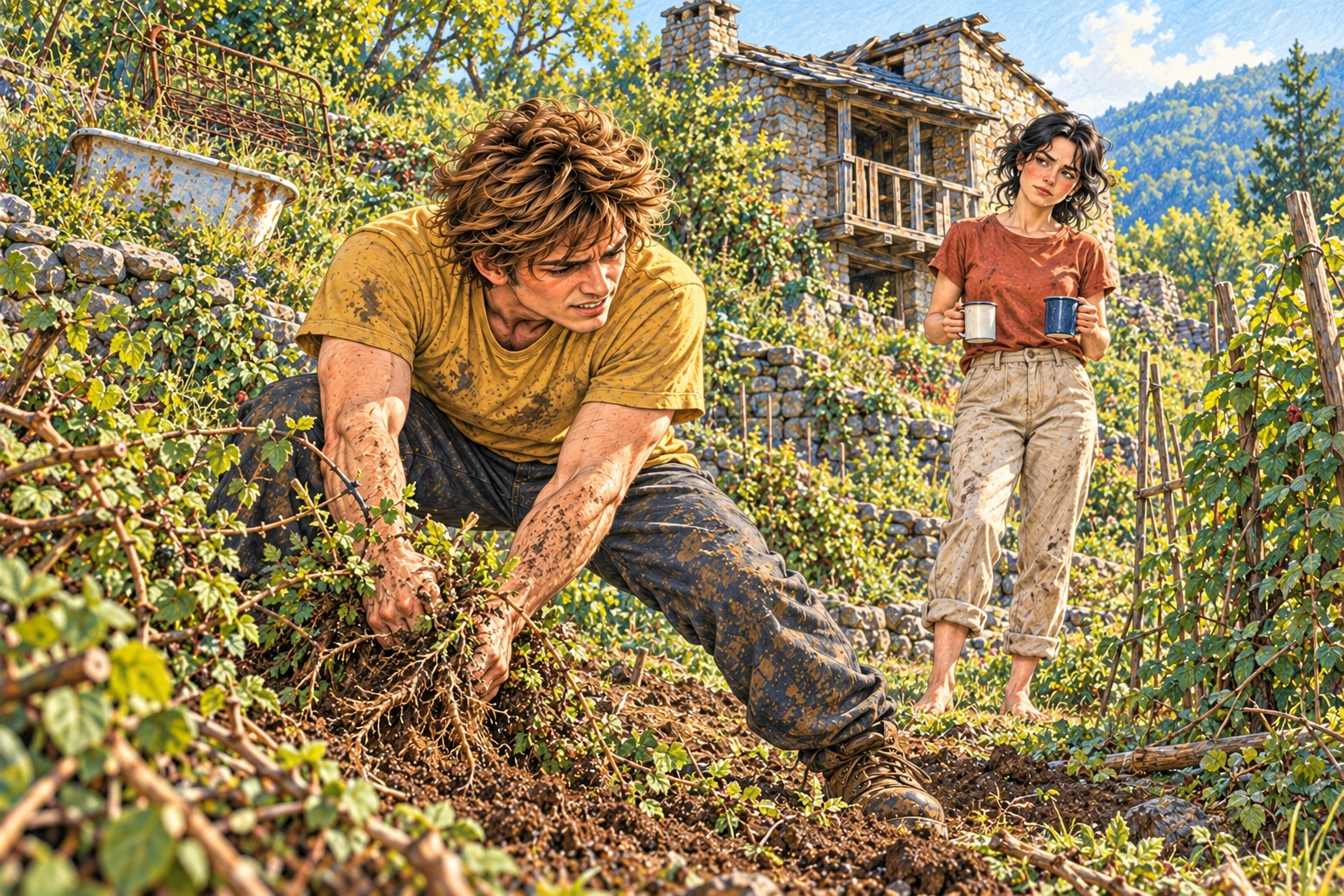
By mid-July they had cleared a path through the vegetable garden and made space in the stable where they slept. The bed base and half a bathtub were still on the slope: first they had to remove what the two of them could carry. In the kitchen there was a box for things whose owners Axel didn’t know. The coin had stayed beside the piece of tile.
Axel woke up wanting to get on with it and went to bed finding scratches in places he didn’t remember putting anywhere near the brambles. One morning Eva had to fetch him for coffee: he’d spent half an hour pulling at a root and saying it was just coming loose. With plastic over the window, they could take the rest as it came. The roof couldn’t wait.
For three days Axel kept going out to the balcony rail to make the most of the single bar of signal and watch videos on repairing roofs. Between searches he went back downstairs to carry on clearing. Eva lent him her notebook, and he filled the inside back cover with sums he crossed out as he went. After all those videos, he still hadn’t the faintest idea what a beam cost.
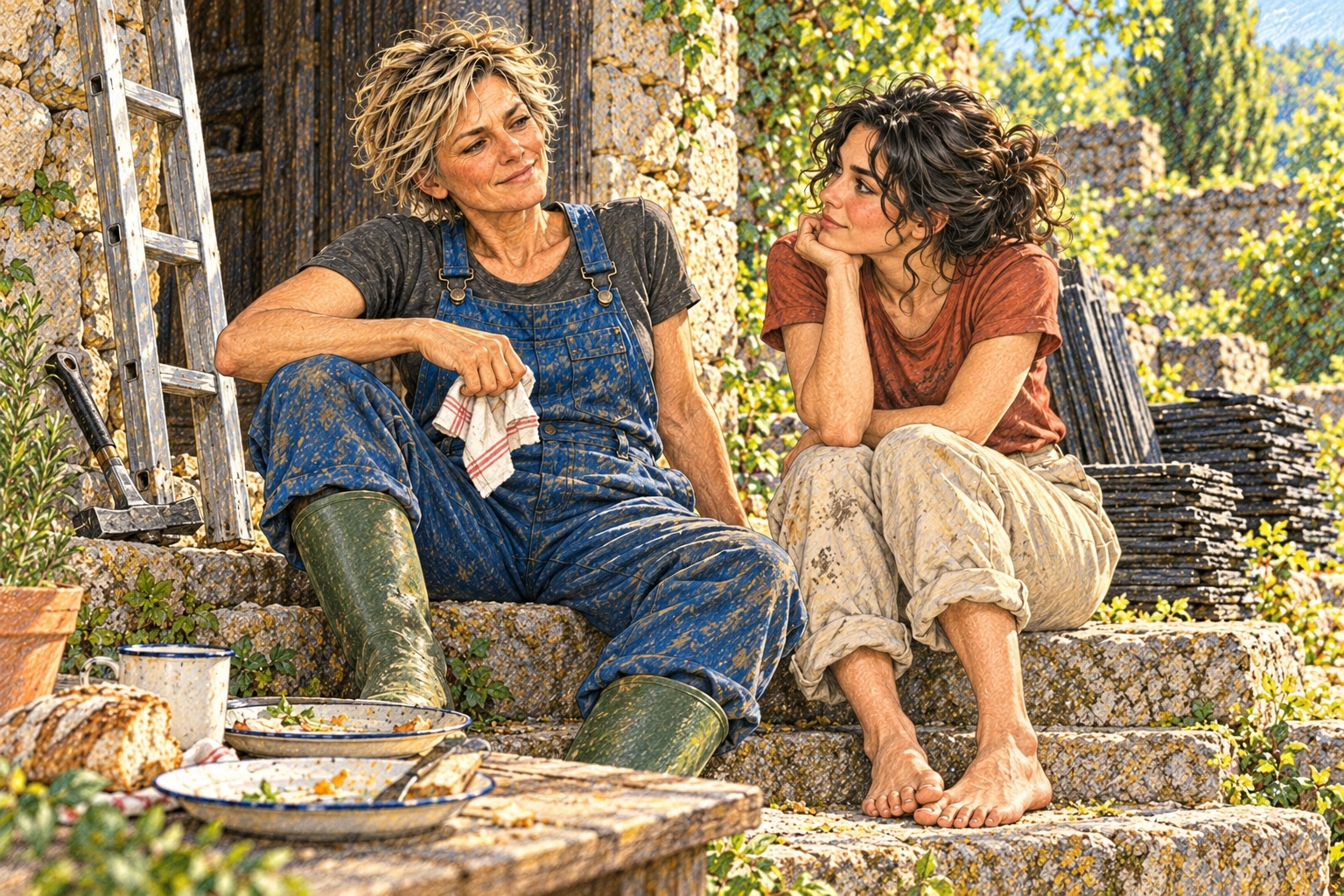
On the fourth day a woman appeared with bluntly cut blonde hair going grey, blue work overalls and wellington boots.
“Morning. I’m from the green house.” She spoke perfectly, but with funny r’s. “Trini tells me you’re fixing the roof.”
“We’re looking into how.”
“Right.” She wiped her hands on her overalls. “But do you know how?”
Axel thought about it.
“No.”
“Good. The ones who say they know are the ones who do it wrong.”
Her name was Úrsula and she’d been in the village for thirty years. She told them going up the stone stairs in front of them, stamping her heel on each step to see which ones held.
“I came on holiday thirty years ago. Twenty-four, with a van. Three of us going to La Espuma to catch some waves, and it broke down on the bend down there. The part took five days.”
“And you stayed five days?”
“They stayed five days.” She laughed through her nose. “I stayed thirty years.” Stamp. It sounded bad. “Not that one.”
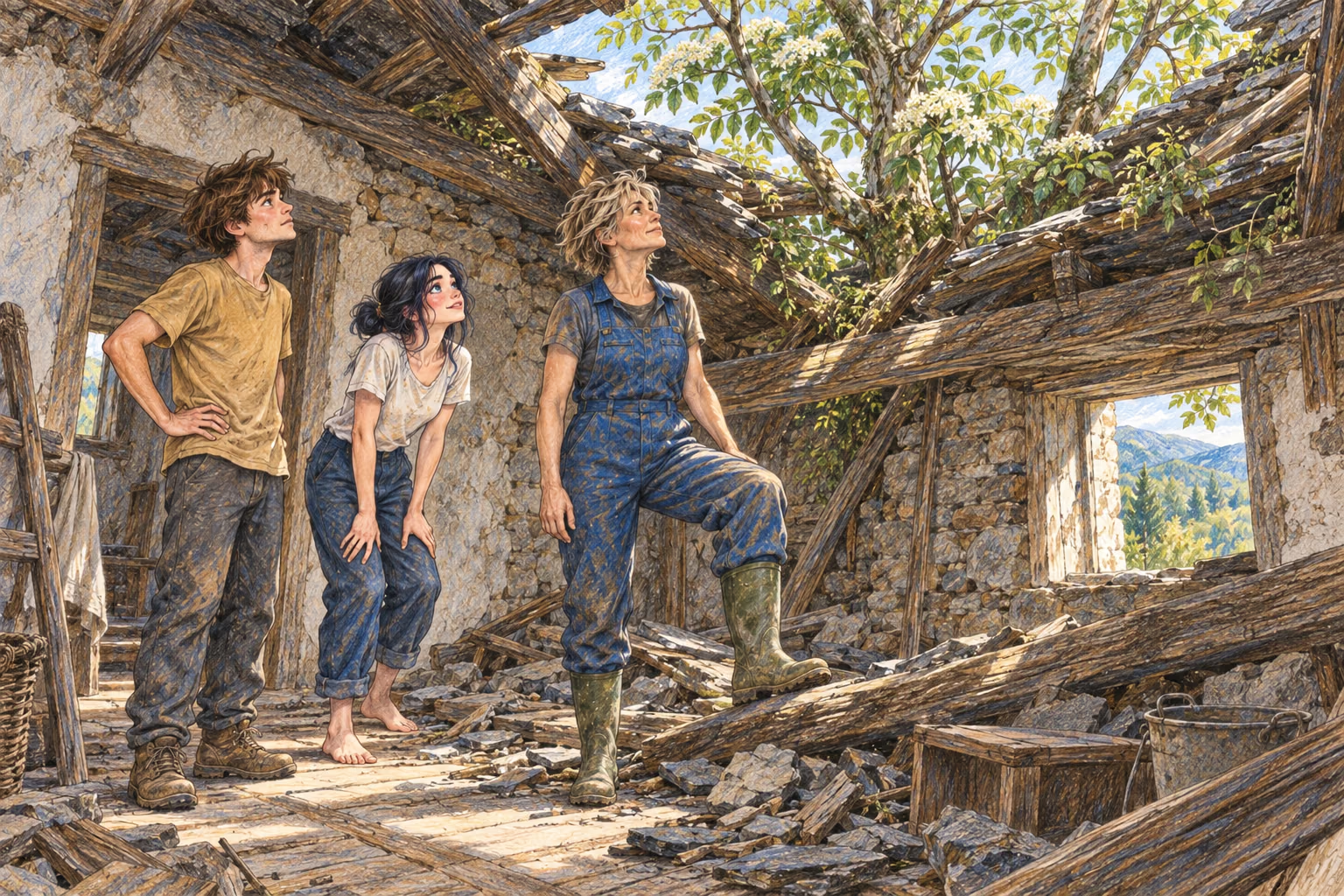
Upstairs she went straight to the hole.
“Right. This isn’t so bad.”
“Have we got time? The order on the door says the thirtieth of September.”
“I know about the order, lad. The whole village knows.” She looked at the sky through the hole. “And in October this is a river, and not even the cat goes up on a wet roof. So the order and the sky are saying the same thing. For once.”
“Eleven weeks.”
“Eleven weeks if you start tomorrow.”
“And if not?”
“If not, it comes down on its own.” She stamped on a beam. “Houses don’t fall down slowly, you know. That’s a myth. They hold, and they hold, and they hold, and one Tuesday they come down. I’ve seen two come down here, and on the Monday they were both holding up perfectly.”
Axel went white.
“Úrsula, you’re giving me palpitations…”
Úrsula didn’t even hear him. She peered out through the hole again.
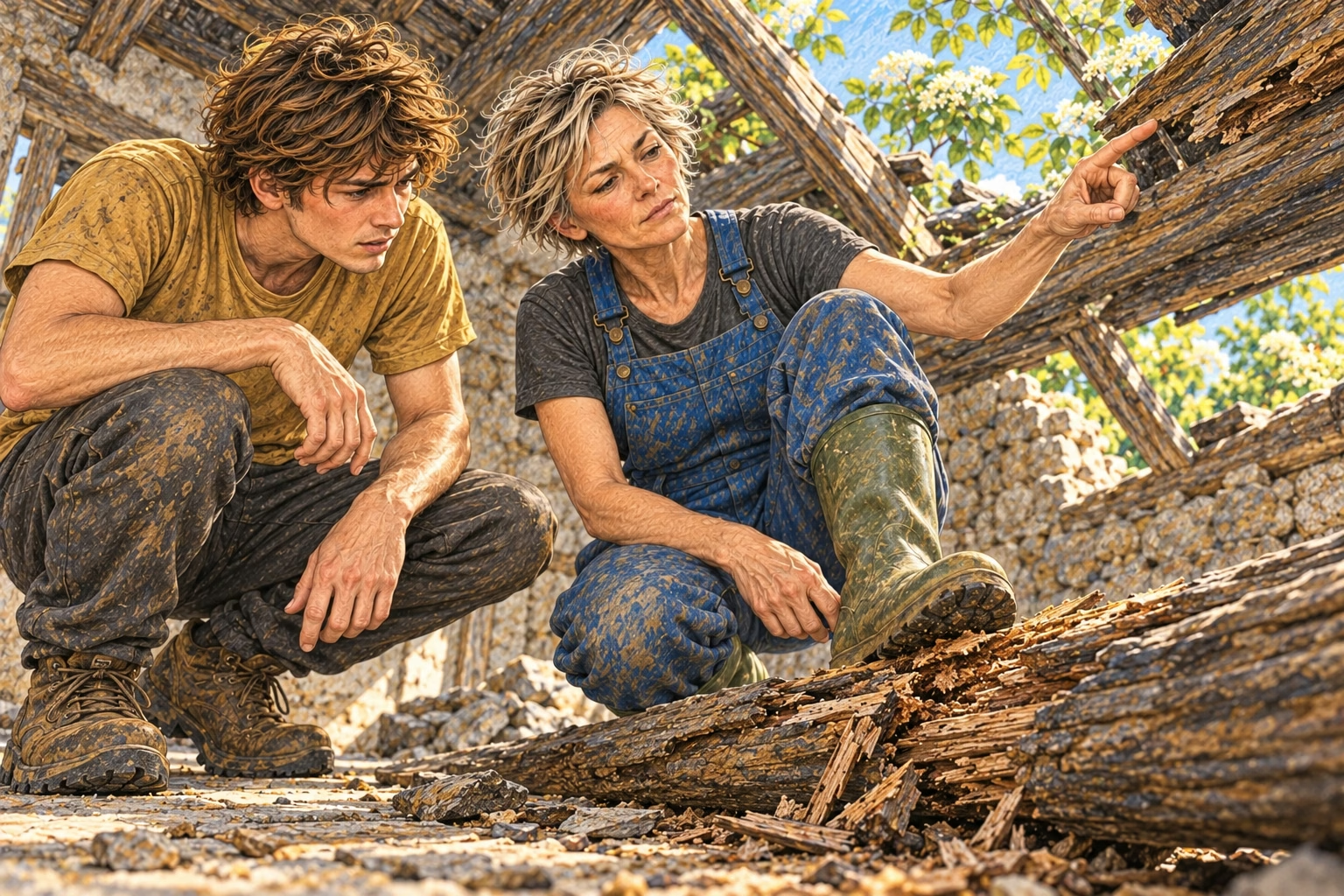
“Right. This isn’t so bad. The big beam’s sound, see? It’s the little ones on top that are broken. That’s four bits of wood. If the big one was rotten, then yes. Then you’d be going home.”
Úrsula pushed an elder branch aside to see the edge of the hole.
“This comes out.”
Eva stood beside her.
“What if it stays?”
“Then we have to finish the roof around it. More work. And you can’t forget about it afterwards and let it push against what we put in.”
Axel looked at the trunk, the leaves and the gap through which they could still see the sky.
“Tell me what we need to buy.”
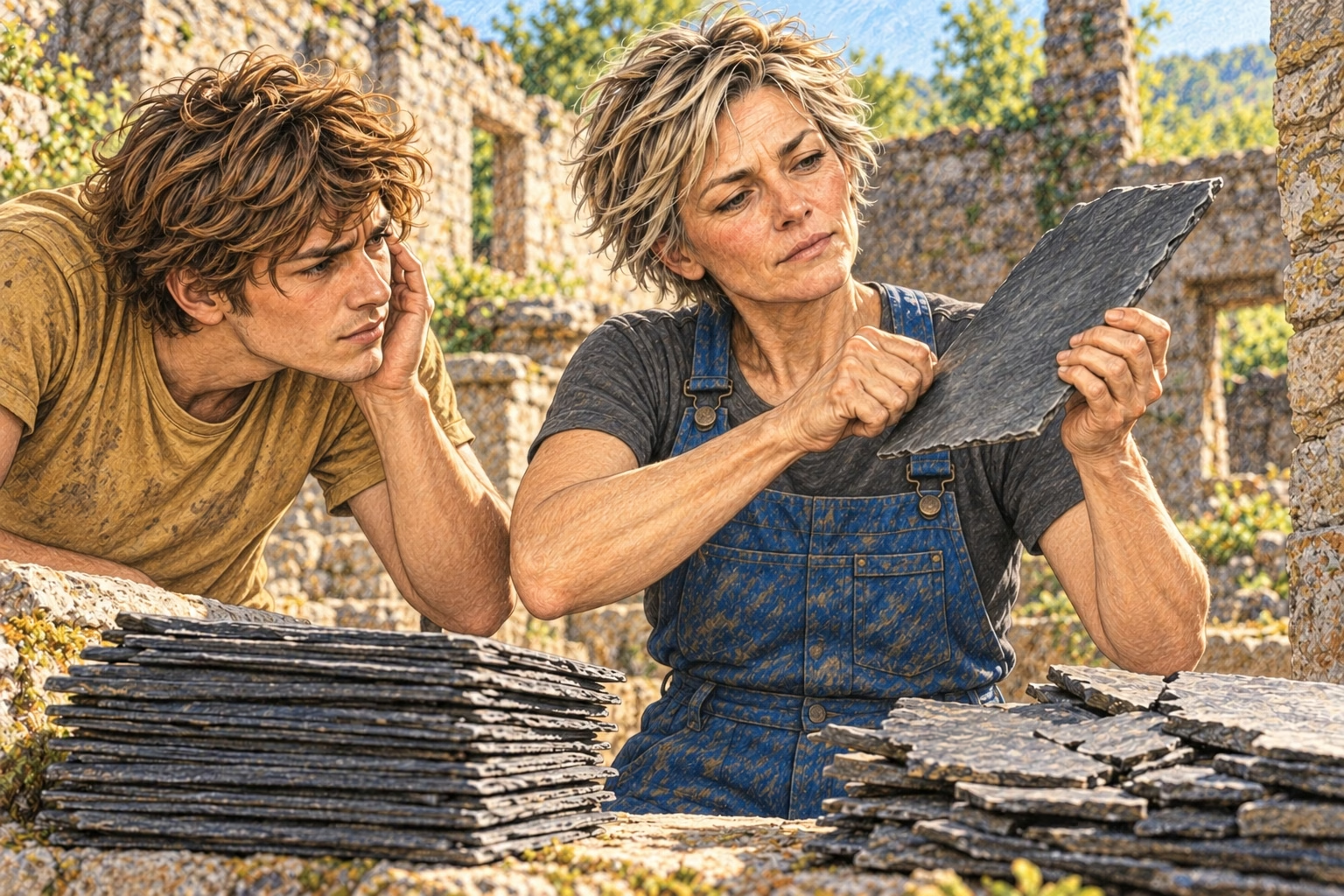
Úrsula stayed all morning, teaching them to recognise good slate by its sound and to stack it without mangling a hand.
“This one sounds good.” She tapped a slate with her knuckle. “Hear that?”
“They all sound the same to me.”
“Well, you’ll get plenty of practice, lad.” She put it on the pile of good ones.
Then she sat on the step and dictated their shopping list. They could reuse almost all the old slate, but they needed battens, roofing felt, decent nails and timber for the beams. She wouldn’t venture a price for the beams.
“Allow about fifteen hundred, not counting the beams,” she said. “We’ll have to get a price. Tell them I sent you, or they’ll take one look and know it’s your first time.”
Axel wrote it on the back cover, under the crossed-out ones. That one he didn’t cross out.
He had eighteen hundred and something left in his account, which was four years’ worth of smiling at people over a counter minus four months of sandwiches, and behind that figure there was nothing at all: no cushion, no salary at the end of the month, no rich uncle in the family slowly dying.
“Let’s see,” said Eva.
“No need.”
“Let me see, for God’s sake.”
Eva looked at the figure and then at the roof before handing him back the notebook.
“Mine’s missing.”
“Your what’s missing?”
“I sleep here too.”
“Eva, you haven’t got…”
“I know what I’ve got.” She took the notebook off him, wrote something underneath and shut it. “It’s written down. When I’ve got it, I’ll put it in.”
And Axel didn’t argue.

“The rest can wait,” said Úrsula. “A new hose and a couple of joints will bring the water down. I’ll show you. Don’t touch the electrics, that needs an electrician and money. The toilet in the byre needs a bucket of water. You can’t keep borrowing Trini’s loo key for ever. As for the rest of the byre, you’ll need patience and a cat that pulls its weight.”
Fay, up on the wall, looked at her like the cat bit was aimed at him.
“And tomorrow I’ll go down to the council and tell them there’s building work going on here. Because if they order you to do it, they can’t stop you doing it.”
She left them a proper aluminium ladder and a slater’s hammer.
“You give me that back when you’re done.”
“And if it takes me a year?”
“Then in a year.”
She stayed for lunch at the outside table, and Eva took the chance to ask what had been on her mind all morning.
“Weren’t you scared of staying?”
“No.” Úrsula wiped her mouth. “I got scared afterwards.”
“After what?”
“After four years. For the first four years I was staying just a little bit longer, all the time. One more winter. Till I fix the window. Till the fiesta.” She laughed. “And one day you look and it’s thirty.”
After lunch, Úrsula took them up to the spring. They had to push dry branches aside to follow the hose down the slope, and when they lifted it they found another chewed section besides the three they already knew about. Úrsula showed them which lengths needed replacing, then went back to her own jobs. They bought the hose and connectors themselves, with the list tucked in a pocket, and spent the afternoon trudging up and down the hill.
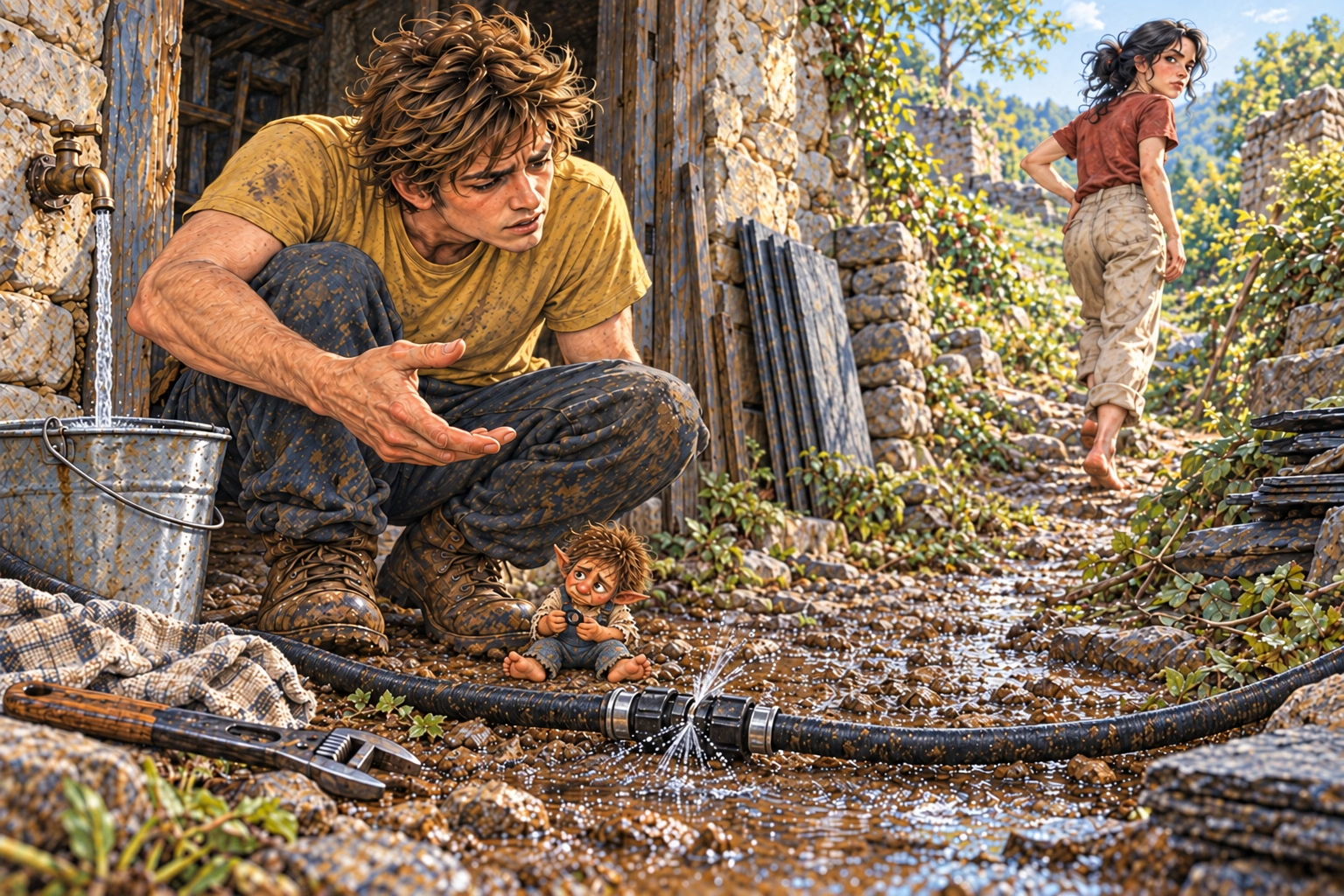
When they turned the supply on, water came out of the stable tap and also from the connector at Axel’s feet. Manazas was sitting in the mud, very interested in a washer he was holding in both hands.
“This one wouldn’t fit.”
“That’s where it went, you doughnut,” said Axel.
Eva had to go back up to turn it off. Axel took the connector apart and found where the washer belonged. When she returned, he was still crouching there, his trousers soaked and his hands covered in earth. They tried again. The tap spat, coughed for a good while and finally produced a steady stream.
Eva filled a bucket, emptied it and filled another just for the pleasure of seeing the water run. Axel washed his arms up to the elbows.
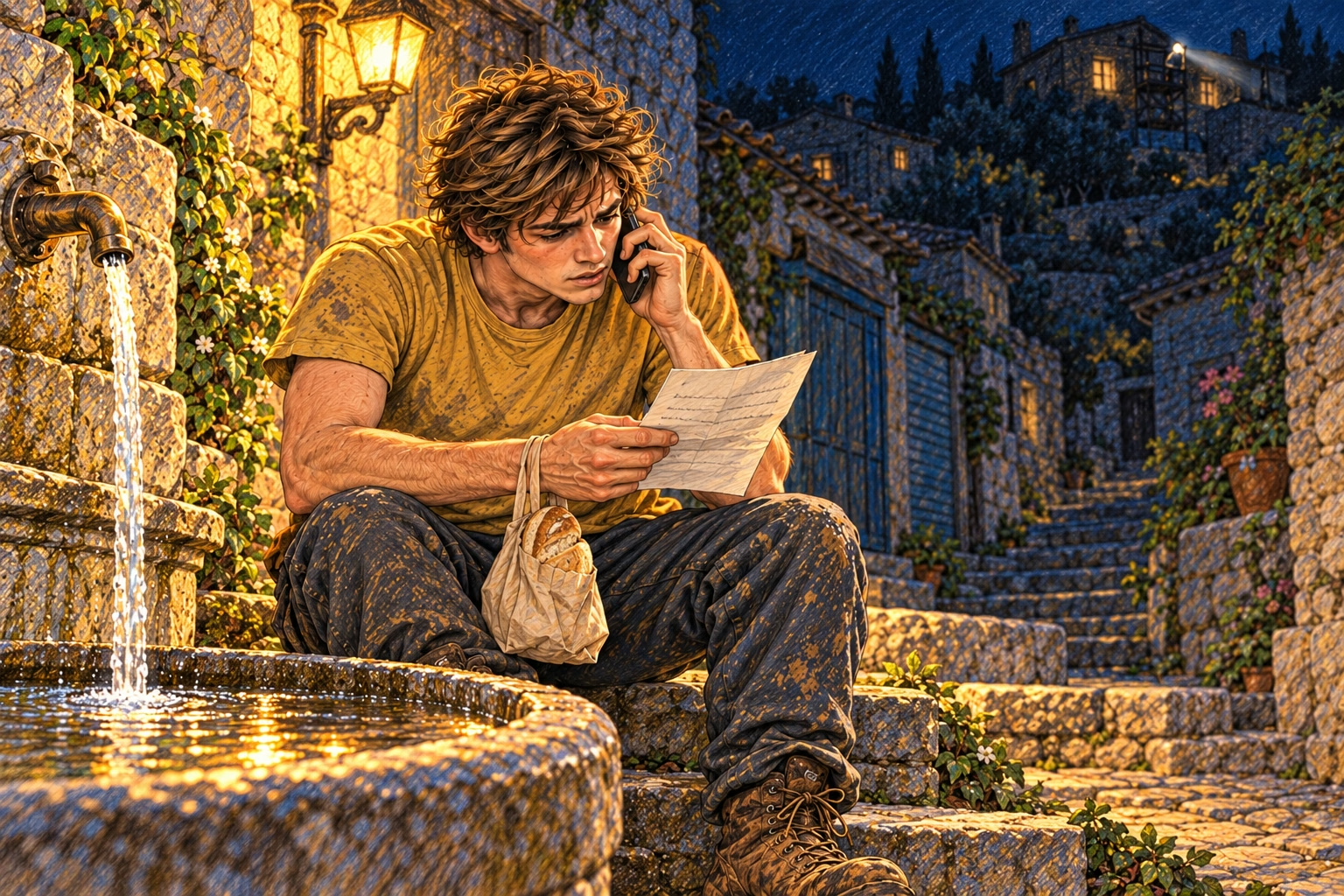
That evening Axel went down to buy bread and stopped at the fountain on his way out of the shop. There he had three bars of signal and Eva far enough away. He rang Irene and told her about the village, the house, the notice on the door and even the ladder Úrsula had lent them, which was of no interest to anyone, but he told her anyway.
“Read it to me,” said Irene. “The order.”
Axel took it out of his pocket, from on top of the key, and read it to her under the street lamp. On the other end you could hear a biro.
“That’s serious, Axel. With an order like that no lawyer can help you. The only thing you can do is what it says.”
“The roof.”
“The roof.”
She was quiet for a moment.
“And she’s…?”
“She’s really good. Calm. Sleeping. Eating. Laughing.”
“I could come.”
“No.”
“Not to see her. To a hotel, in Valdemora. And if she doesn’t want to, she doesn’t see me. I won’t get out of the car, Axel. You tell me you’ve seen her through the window and I’ll go back.”
“Irene.”
“It’s just it’s been nearly two years.”
Axel closed his eyes before answering:
“I’ll let you know.”
“You will?”
“I’ll let you know. When the time’s right. Trust me.”
On the other end Irene said “okay” and blew her nose. She said thank you three times and hung up.
Axel stayed beside the fountain with the bag of bread in his hand. Up above, a light was moving along the balcony. Eva in her head torch, sweeping towards the side Trini had told them to.
He started up the hill with the bag of bread. Halfway up he stopped to look at the car, which had spent ten days with one wheel perched on the wall. Whatever the bloke had come to do, he wasn’t passing through.
The three of them had dinner on the step, a tin of bean stew heated up on the stove, and spent two hours laughing. The lad with the car told them about a mate of his who’d bought a horse without knowing how to ride.
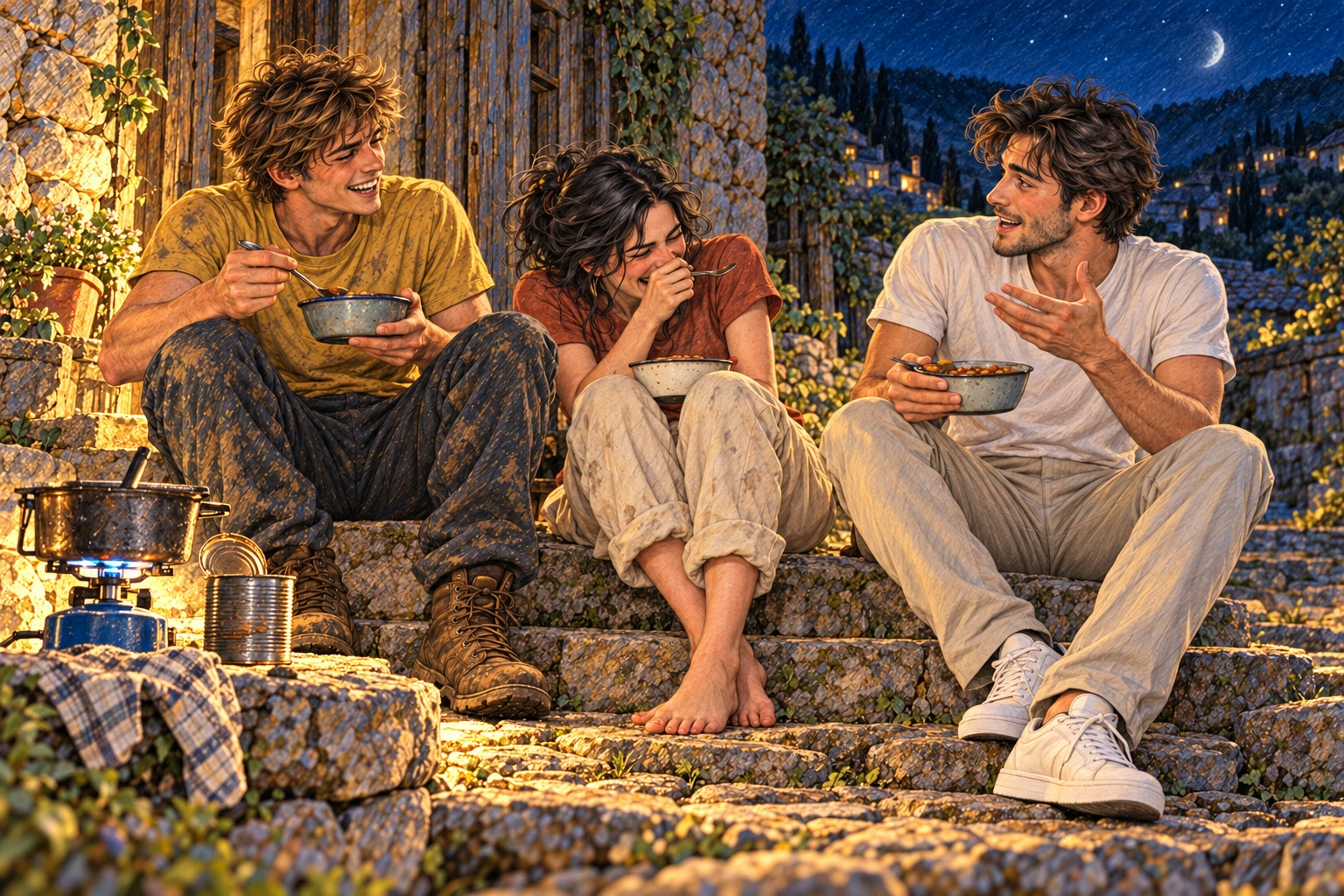
“So I say to him: what do you want a horse for?” He slapped his leg. “And he says: to have one. To have one, guys!”
Eva choked laughing and had to cover her mouth.
Clearing up, something occurred to Axel and he was almost embarrassed to ask.
“Here. What’s your name, anyway?”
The lad laughed with his mouth full.
“Víctor.”
“Víctor.”
“Víctor.”
Axel stood with the plate in his hand, trying to remember how many times they’d eaten together. That bloke had been turning up in their lives for months, they’d shared meals in village after village, and he was still saved on Axel’s phone as nine digits with no name.