
Pops
His dad rang to talk about a machine and asked him something else

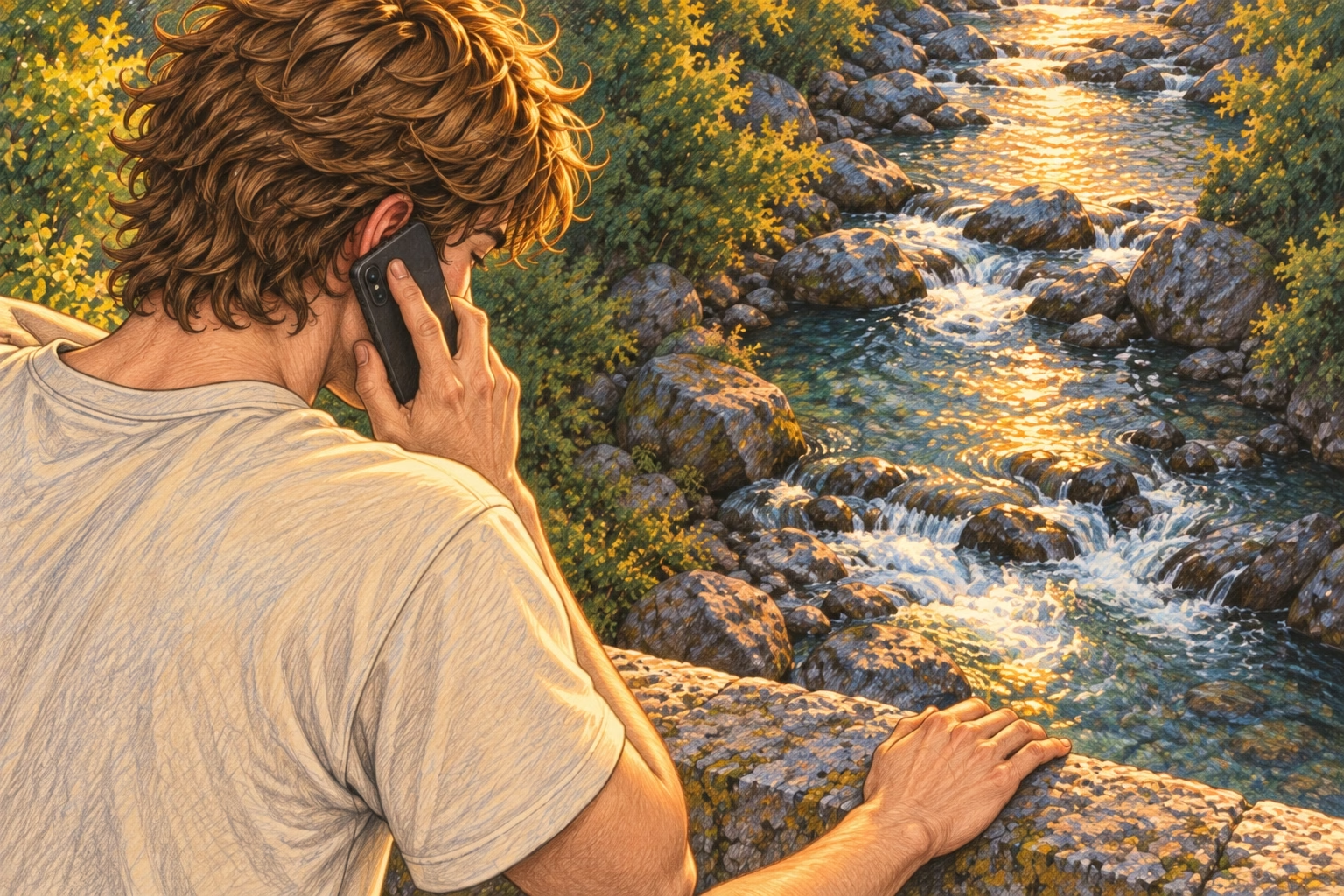
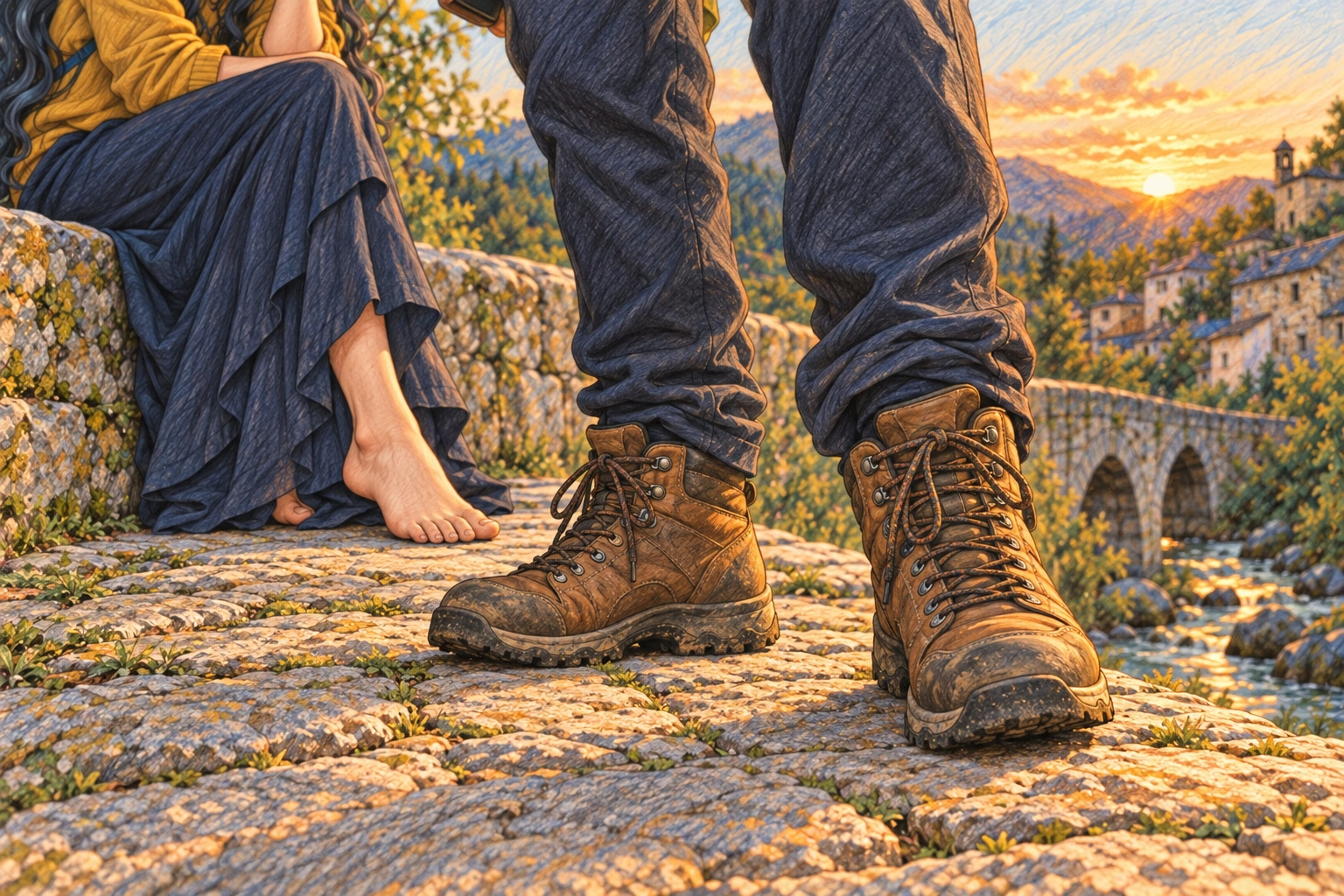
His phone rang at quarter past eight in the evening, in the middle of a bridge. The screen said Pops.
Axel stopped dead.
“Oh, bloody hell.”
“What’s up?”
“My dad.”
He let it ring three more times, thinking how long it had been since he’d called him. Too long. He answered.
“Dad?”
“Well, well!” It was so loud Eva could hear it a metre and a half away. “He’s alive, then!”
“Yes, Dad.”
“Queta! He’s alive!”
In the background, his mum’s voice shouting something that sounded like “well, tell him to ring once in a while!”.
“Your mum says to ring once in a while.”

“I heard her.”
“Yeah, she’s a shouter.”
They both burst out laughing at exactly the same moment, exactly the same laugh, with the same hiccup at the end. Eva sat down on the edge of the bridge and pretended to look at the river.
“So where are you?”
“On a bridge.”
“Right. And where’s the bridge?”
“Up. Towards the mountains.”
“Oh, bugger. Weren’t you going up north, to the sea?”
“I’m still going north, Dad. Just the long way round.”
“Ah.” A pause. “And your mum says that’s some holiday they’ve given you at that hotel.”
Axel looked at the river.
“It’s not a holiday, Dad. I quit.”
His dad went quiet for a long while.
“Okay.”
Eva looked up from the river.
“Here, I’ve bought a machine,” said his dad.
“What machine?”
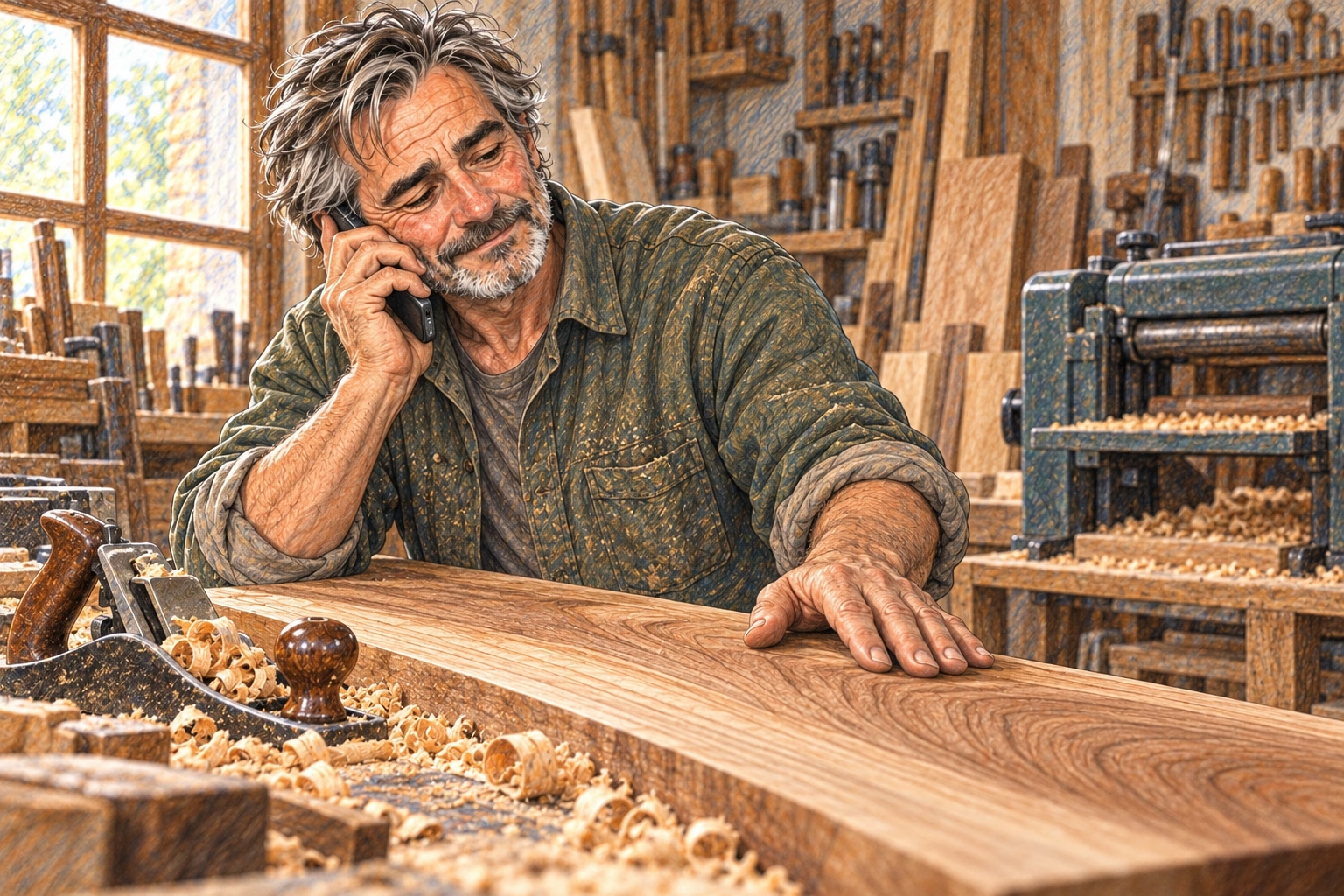
“A thicknesser. Second-hand, off a bloke who shut his workshop.” You could tell he’d been waiting two weeks to tell someone. “Cast iron, old school. Two hundred and twenty kilos. Me, the neighbour and his lad got it in on a trolley. I’ve changed the blades and made it a new bed. And you run your hand over the board and you can’t feel a thing. Not a thing.”
“And where have you put it?”
“Where the table was.”
“And the table?”
“Outside.”
“Dad.”
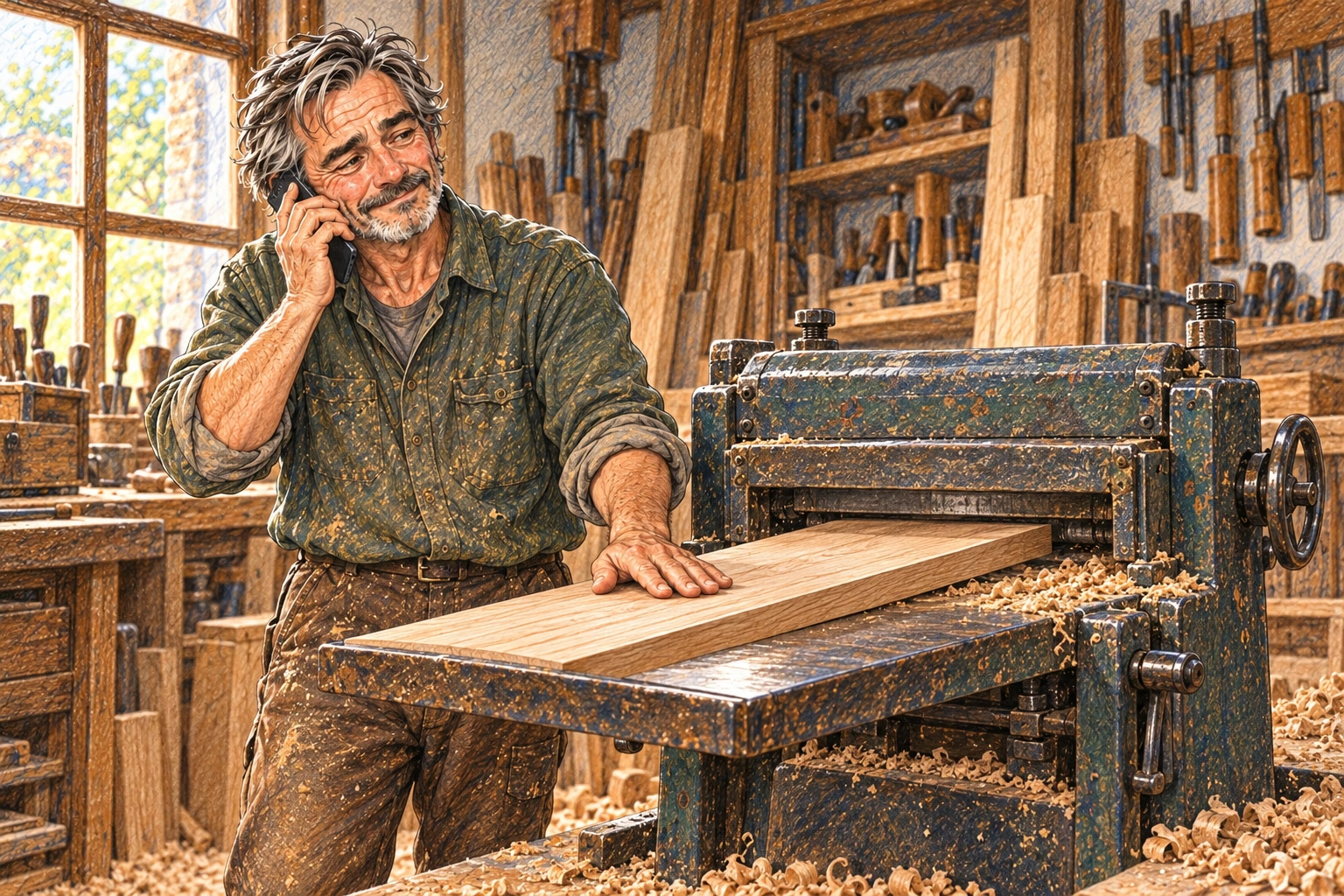
“It’s covered.”
“It’s going to rain.”
“It’s covered, I said.” Pause. “Your mum covered it.”
Axel was laughing with his hand on his forehead.
“Oh, and something else. What’s it like up there, stone?”
“Stone. And slate.”
“Then there’ll be chestnuts.” His dad lowered his voice, like he was about to ask something serious. “Chestnut. Have you ever seen it worked?”
“No.”
“It’s soft, but it’s honest. Stands up to water like nothing else. The roofs up where you are are all chestnut. In case you’re interested.”
Axel put his hand to his trouser pocket without realising. Eva turned her head.
“And are you eating?”
“I’m eating.”
“Eating properly or eating out of tins?”
“I do the cooking most of the time.”
Silence on the other end.
“You?”
“Me.”
“You’re cooking?”
“Yes, Dad.”
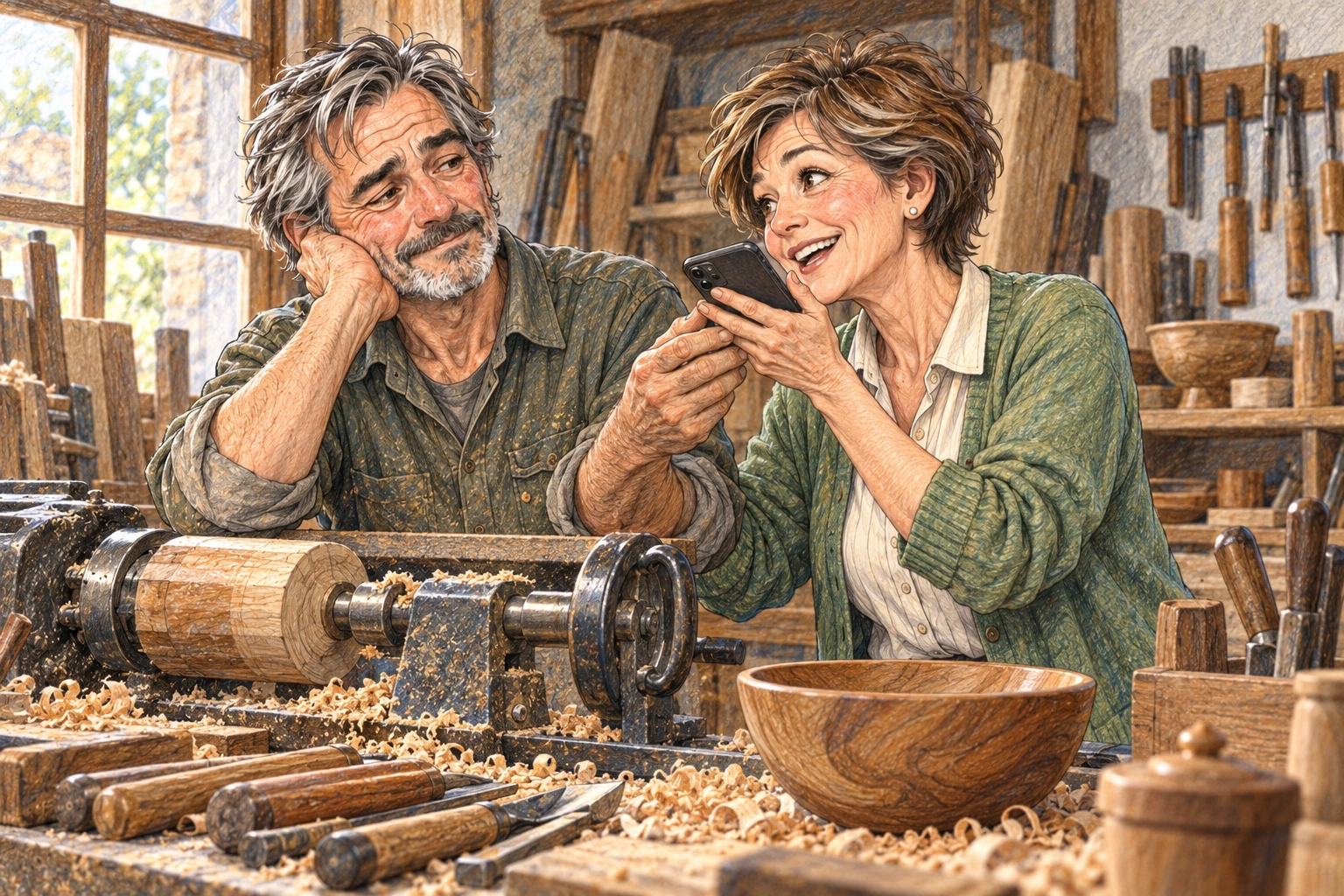
“QUETA! HE SAYS HE’S COOKING!”
There was the bustle of the phone being passed from hand to hand, then his mother’s voice, so close she must have been speaking straight into the microphone.
“Axel?”
“Hi, Mum.”
“What boots have you got on?”
“The boots again, Mum.”
“I said what boots. The brown ones or the ones you bought off the internet?”
“The brown ones.”
“Ah.” An approving silence. “At least those have got a proper last. Does your little toe push out going downhill?”
“No.”
“Because if it does, they’re too short, and you won’t end up lame in the foot, you’ll end up lame in the knee. And that doesn’t get better.” She turned away to say something to her husband and came back. “And don’t whip them off all at once at the end of the day, your feet’ll swell. Sit a while with them on and then take them off.”
“Okay, Mum.”
“Right, I’ll put you back on to your dad, he’s hopping about here.”
Eva put her hand over her mouth.
They spent twenty minutes talking about the neighbour who’d bought a motorbike at seventy-three, an aunt with kidney trouble, and the stove. His father wanted to know whether he was still using the same one. When Axel said yes, he replied, “Of course it’s the same one,” with the pride of a man asking after another son.
“Here,” said his dad at the end.
“Yeah?”
“We’re really glad, you know. That you’ve gone. It was about time you stopped being stuck in there.” He cleared his throat. “Right, go on. You’ll run out of credit.”
“There’s no such thing as credit any more, Dad.”
“Same difference. Love you, son.”
As he put his phone away, Axel still had a daft grin he couldn’t get rid of.
“He’s completely bonkers, mate. He’s put two hundred and twenty kilos of iron in the workshop and stuck the table out in the yard.”
Eva was still looking at the river.
“What’s up?”
“Nothing.”
“Eva.”

“You’re luckier than you deserve.”
Eva said it in all seriousness.
“Well, it’s not exactly…”
“No.” She turned round. “Don’t do that. Your dad rings you to tell you about a machine. And your mum asks you what boots you’ve got on.” She stood up and brushed off her trousers. “That’s fucking brilliant, Axel.”
She picked up her rucksack and stood there holding it.
“Mine used to tell me things for no reason too. At the start. That he’d seen a funny bird, or learned a new knot. Then he stopped telling me things for no reason. And then he stopped talking.” She swung the rucksack onto her shoulder. “Ring them. Any old Tuesday. Because one day you dial and nobody picks up.”
And she set off.
Two hours later, in his sleeping bag, the bit about chestnut wood came back to him. His dad hadn’t asked when he was coming home or what he planned to do next. He’d told him about the wood in the roofs up there.
Axel touched the outside of his trouser pocket, where the key was.
He was just nodding off when his phone buzzed again. A message from Hortensia.
Love, one thing. The sister rang me.