
Flour
Hortensia went in for bread and came out with something else
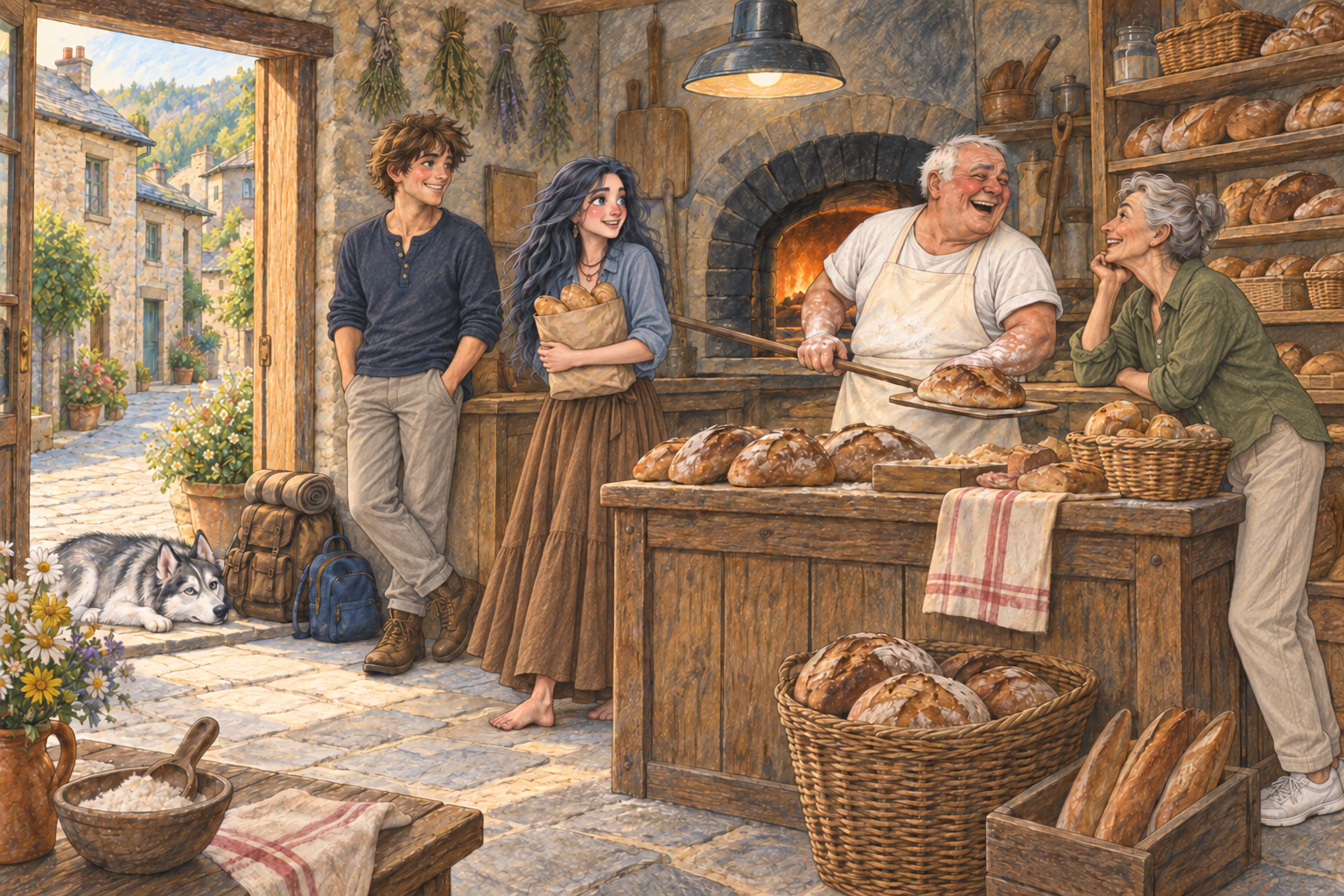
At half past seven in the morning, the gorgeous smell drifting out of a bakery down a little lane in Valdeharina was all it took to lure them through the door.
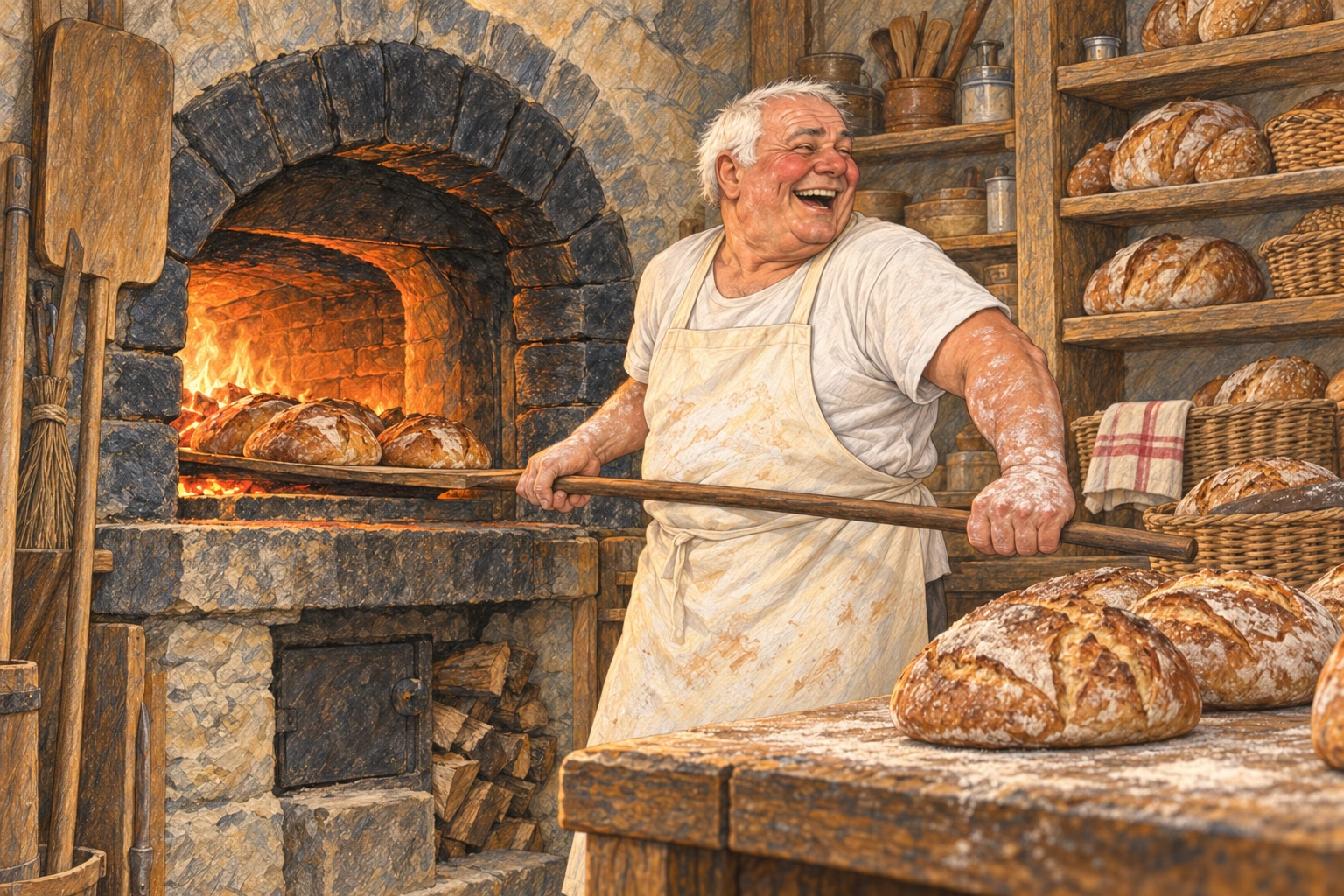
Behind a counter and four shelves, a man was sliding a batch of loaves into the oven on an enormously long peel. When he turned, they saw a broad red face, very short white hair and great shovel hands, with flour right up to his elbows. He must have been in his late sixties, but his voice hadn’t aged a day.
“Morning!” A voice that filled the shop. “It’s all still hot, so you’ll just have to lump it.”
And he laughed at his own shite joke, knowing full well there wasn’t anything funny about it.
Axel felt Hortensia’s elbow in his ribs. He leaned in to hear her, though there was really no need.
“Oh my. What a looker.”
“Hortensia.”
“I’m having that handsome lad.”
“Hortensia.”
The baker wiped his hands on his apron very slowly, without taking his eyes off her. He went redder, although that could have been the oven.
“Well, I don’t know if you’ll manage,” he said. “I’m very much in demand.”
“So I see.” Hortensia looked round the empty shop, and then at him. “You can tell by the queue.”
He let out a roar of laughter that made the shelves shake.
Paco had been getting up at half past four for forty-three years. He’d been a widower for nine, and both his daughters lived elsewhere. The eldest rang every Sunday and, one way or another, always found a way to tell him it was time to close.
“And why don’t you?” said Hortensia.
“Because then what would I do?”
“Whatever you fancy, man.”
“You only say that because you haven’t seen me with my hands idle. I open at half seven, shut at two, and by three I’m out like a light. Five in the afternoon’s when the trouble starts, because I don’t know what to do with my hands.” He wiped the counter, which was clean. “And I still put the coffee on for two, you know? I drink one and pour the other down the sink. Nine years pouring away a coffee to prove to myself I can do whatever the fuck I like.”
Hortensia, for once, didn’t say a thing.
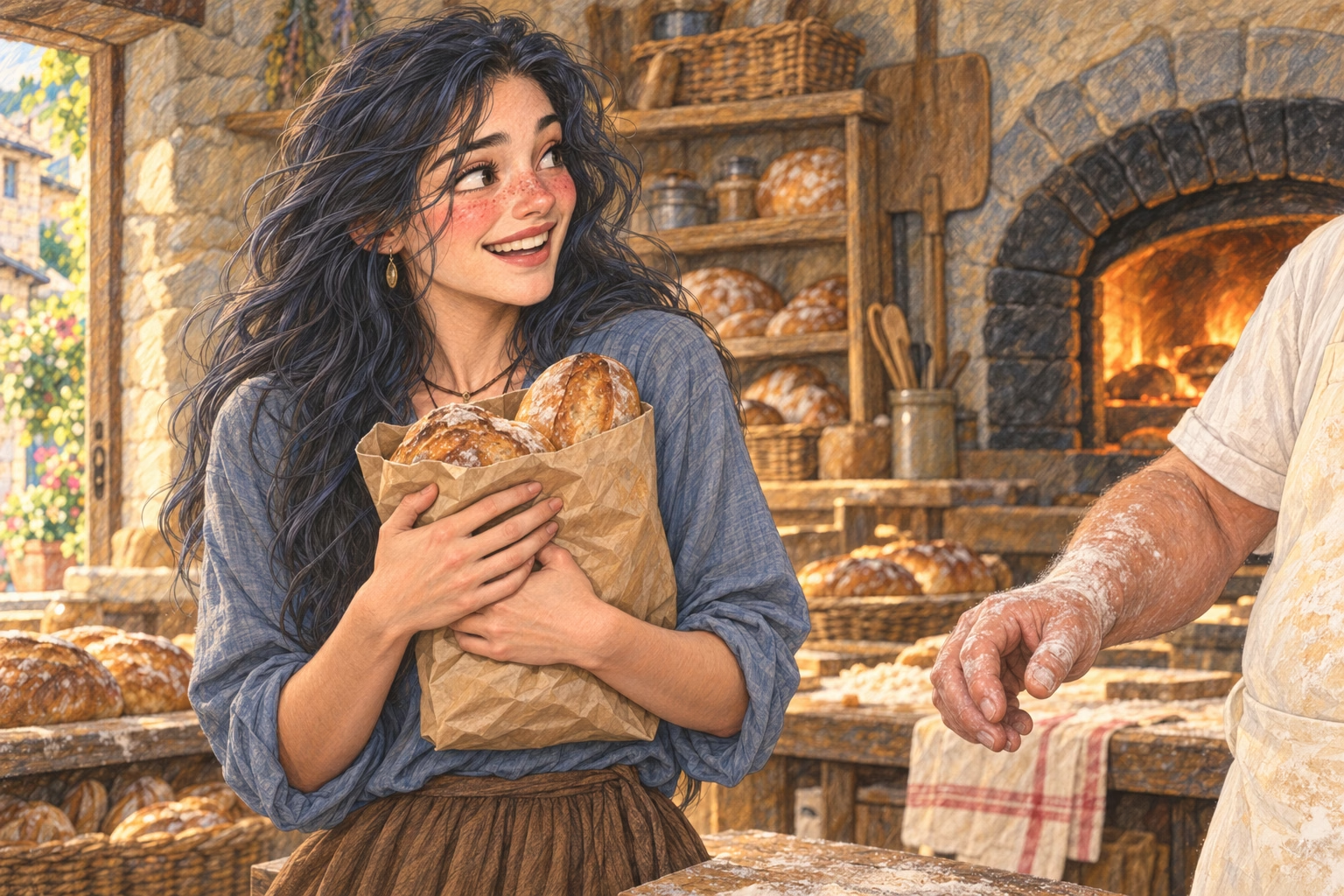
Paco put a few things in a paper bag and planted it in Eva’s hands, without charging her.
“Here you go, girl, you’re skin and bone.”
Eva held the warm bag against her chest. She went to say something, broke into a great big smile and said nothing.
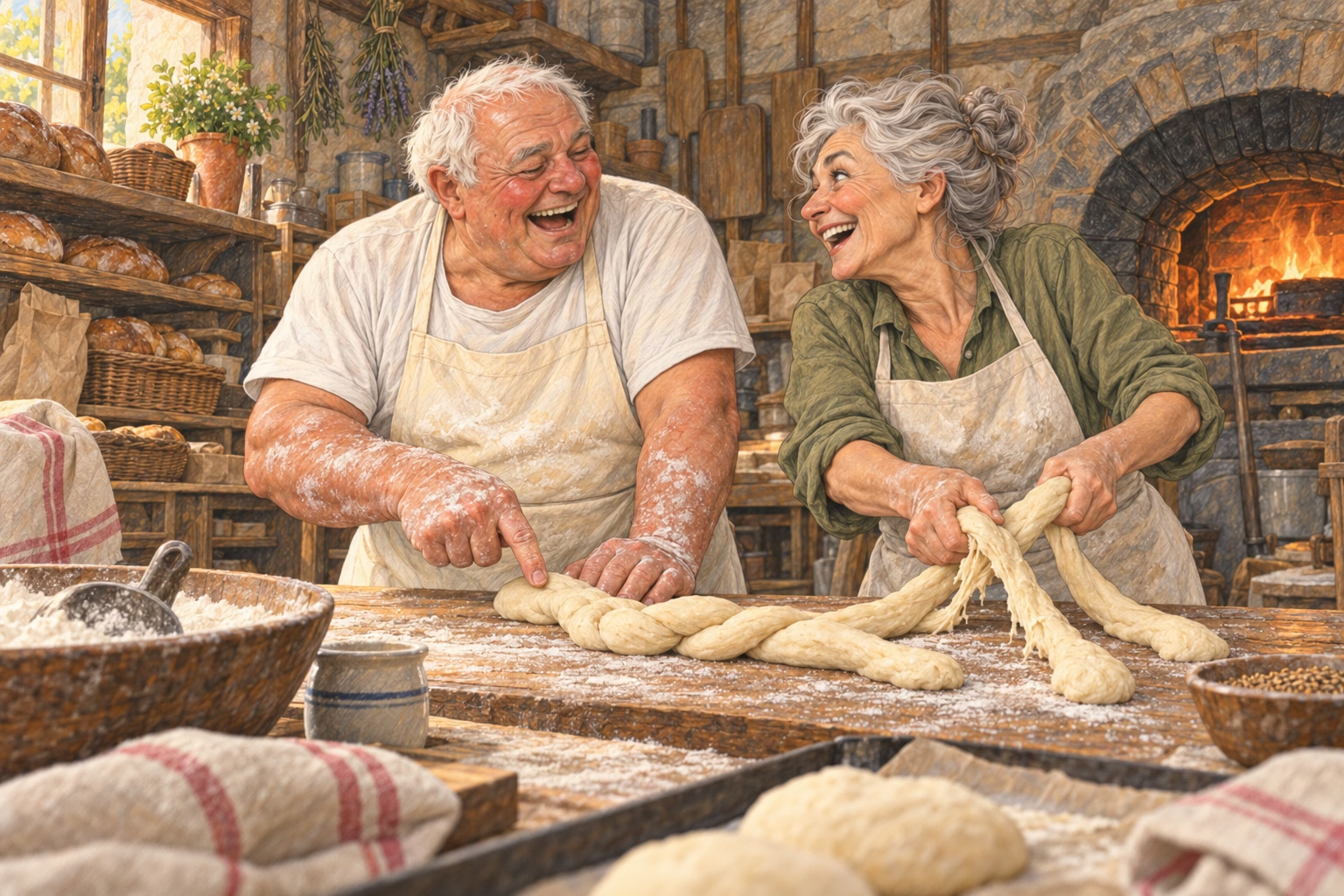
They sat on the doorstep to eat their gift. By eleven Hortensia had put on an apron and was in the bakery learning to make a plait, which she was doing spectacularly badly. The instructions could be heard perfectly well from the street.
“The bottom one goes over the top, woman!”
“But if it goes over the top it falls apart!”
“Because you’re squeezing it! Don’t squeeze it!”
“I’ll squeeze what I like!”
“That’s the whole problem with your life!”
“Look who’s talking, forty years in a room four metres wide!”
“Forty years doing something, sweetheart!”
Silence. And then the two of them laughing at the same time.
On the doorstep, in the sun, Kika was asleep between Axel and Eva.
“How did you do that?” said Axel. “Take the bag. I’ve spent weeks watching you not take anything. Not even a tomato.”
“Because he didn’t ask. He put it in my hand and told me I was skin and bone.” She scratched one of Kika’s ears. “That one’s settled.”
“And the napkin? Did you throw it away?”
Eva took a little square of paper folded in four out of her pocket. She held it on her knee for a moment, without unfolding it, and put it away again.
“It’s a number. A number’s nothing.”
“Nine digits.”
“Exactly. Nothing.”
Paco offered them a room with two beds in his house, and between the bread and the conversations, two weeks slipped by.
On the second Tuesday he took them on his delivery round in his boxy white car, with nine bags of bread in the back and a blanket still covered in hairs from a dog that had died years ago. Paco was a dreadful driver. Hortensia sat comfortably in the front, arm out of the window, looking as though she’d moved in for good.
At the first house, Axel was already climbing the stairs with the bread when Paco turned to look for the bag. At the second he beat him to it again, and by the fourth Paco decided there was no point getting out of the car.
On the way back he found Axel in the rear-view mirror.
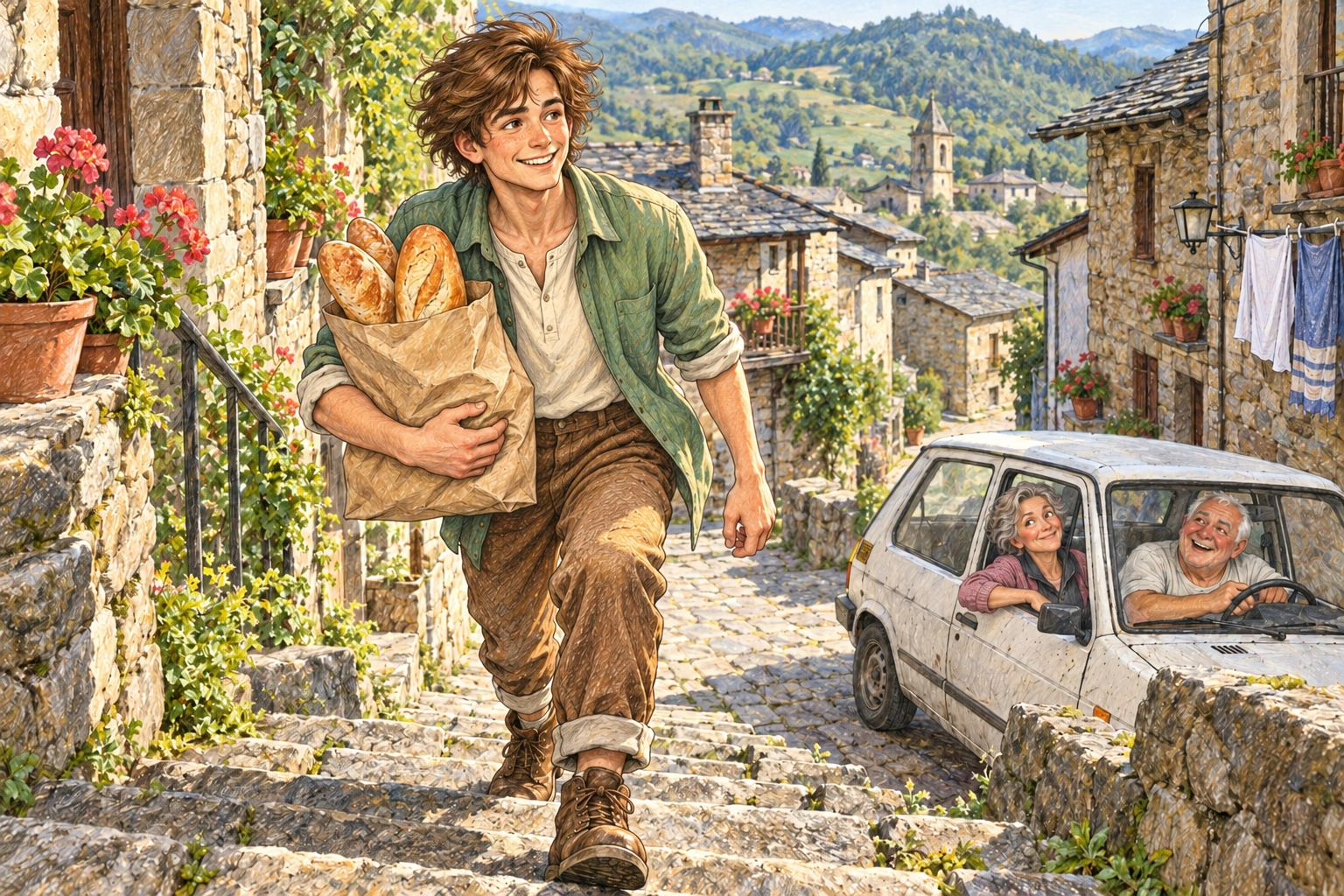
“Here, lad. What do you do for a living?”
“Nothing, at the moment. I walk.”
“Right. And after?”
“Don’t know.”
“Yeah.”
A kilometre of silence, which for Paco was a hell of a lot.
“Both my girls left at nineteen, and both of them were right to. I want that clear. But there were a hundred and thirty of us here when I started, and now there’s forty-two. And of the forty-two there’s nine that can’t get down for their bread. Those.” He jerked his thumb back at the empty bags. “If I shut, they don’t get bread. And I’m not telling you so you’ll say how lovely, eh? There’s nothing lovely about it. It’s a job.”
“Paco,” said Hortensia, without turning round.
“What?”
“You’re doing a hundred and twenty.”
“Oh, bollocks.”
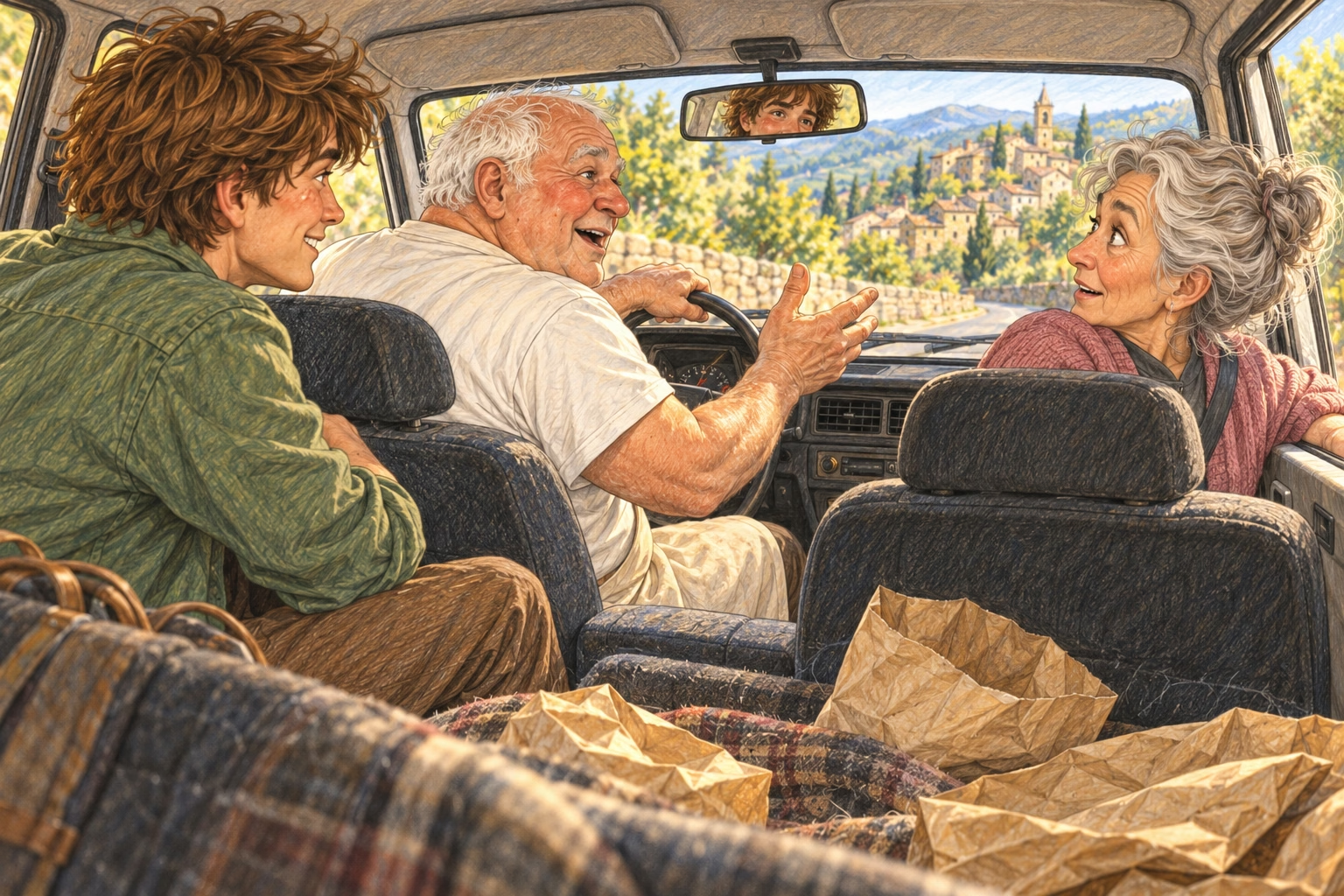
Hortensia came out with it one morning at breakfast, without looking up from her toast.
“I’m staying.”
Axel put his cup down.
“What do you mean, you’re staying?”
“I’m staying here. A few days. Or a few weeks. Or whatever.” Now she did look up. “And don’t give me that face, sweetheart, I’m not dying.”
“It’s just…”
“It’s just nothing. I’ve spent two weeks getting up at five to watch a man put loaves in an oven, and I’m having more fun than I’ve had since I was seventeen. And at my age, you listen to that the first time.”
Eva barely touched her food. In the middle of the afternoon she was still on the doorstep, looking down the street, when Hortensia sat beside her with a groan.
“Out with it.”
“It’s nothing.”
“Course it’s something. Out with it.”
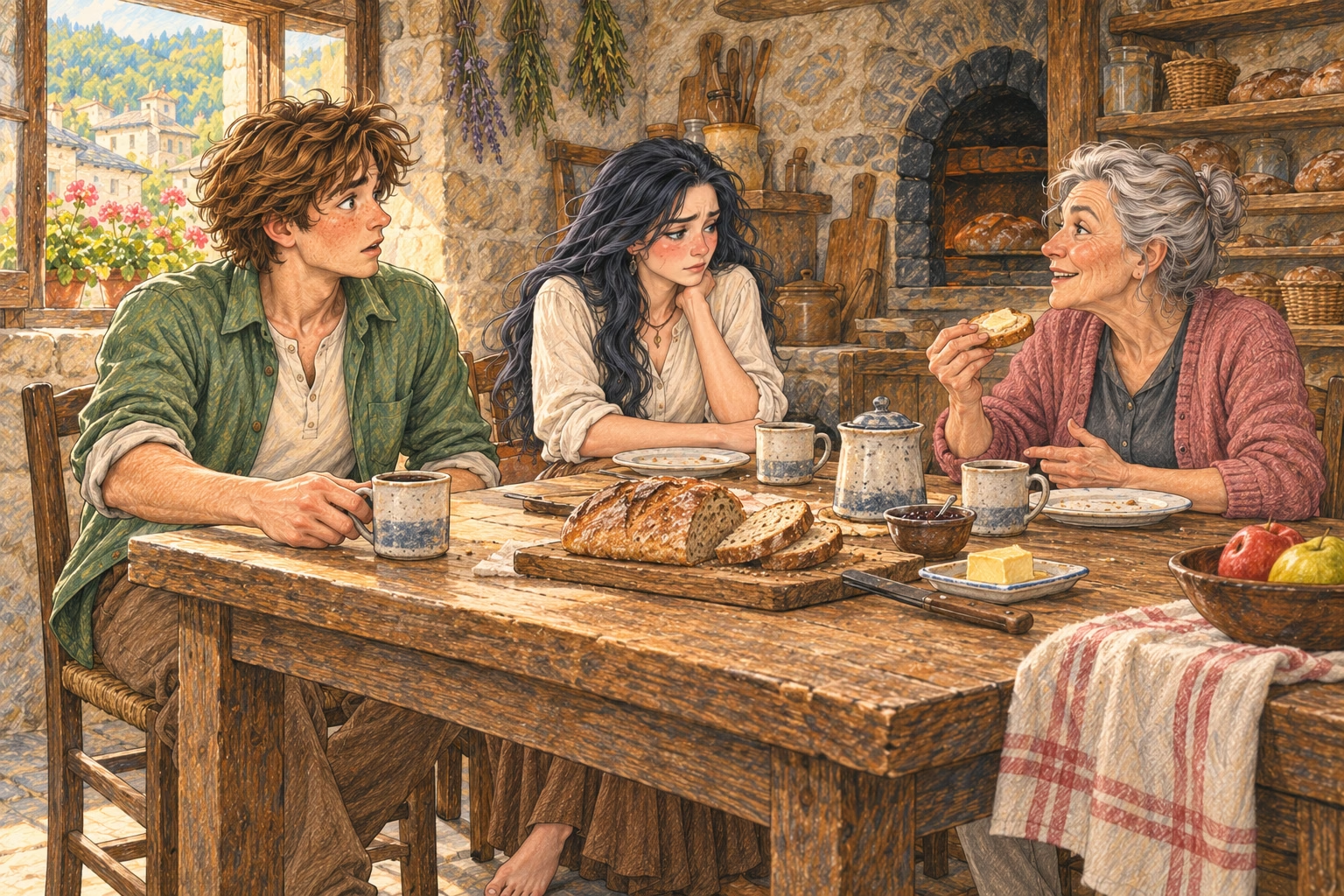
Eva was looking at the street.
“You start getting comfortable with someone and they stay behind somewhere. It’s normal. It’s been like that my whole life.”
And then, very fast:
“Come with us.”
“Oh, love.”
“Come with us. You walk fine. I’ll carry your bag.”
Hortensia took three seconds.
“No.”
She didn’t dress it up.
Eva nodded once and turned back to the street.
Hortensia took her face in both hands and gently turned it towards her.
“Now you listen to me, because I’m only saying this once. You don’t owe anybody anything. Not me, not your sister, not whoever comes along. I’m staying because I want to, not because of you. And anyone who makes you feel like you owe them something doesn’t love you. They want to boss you about.”
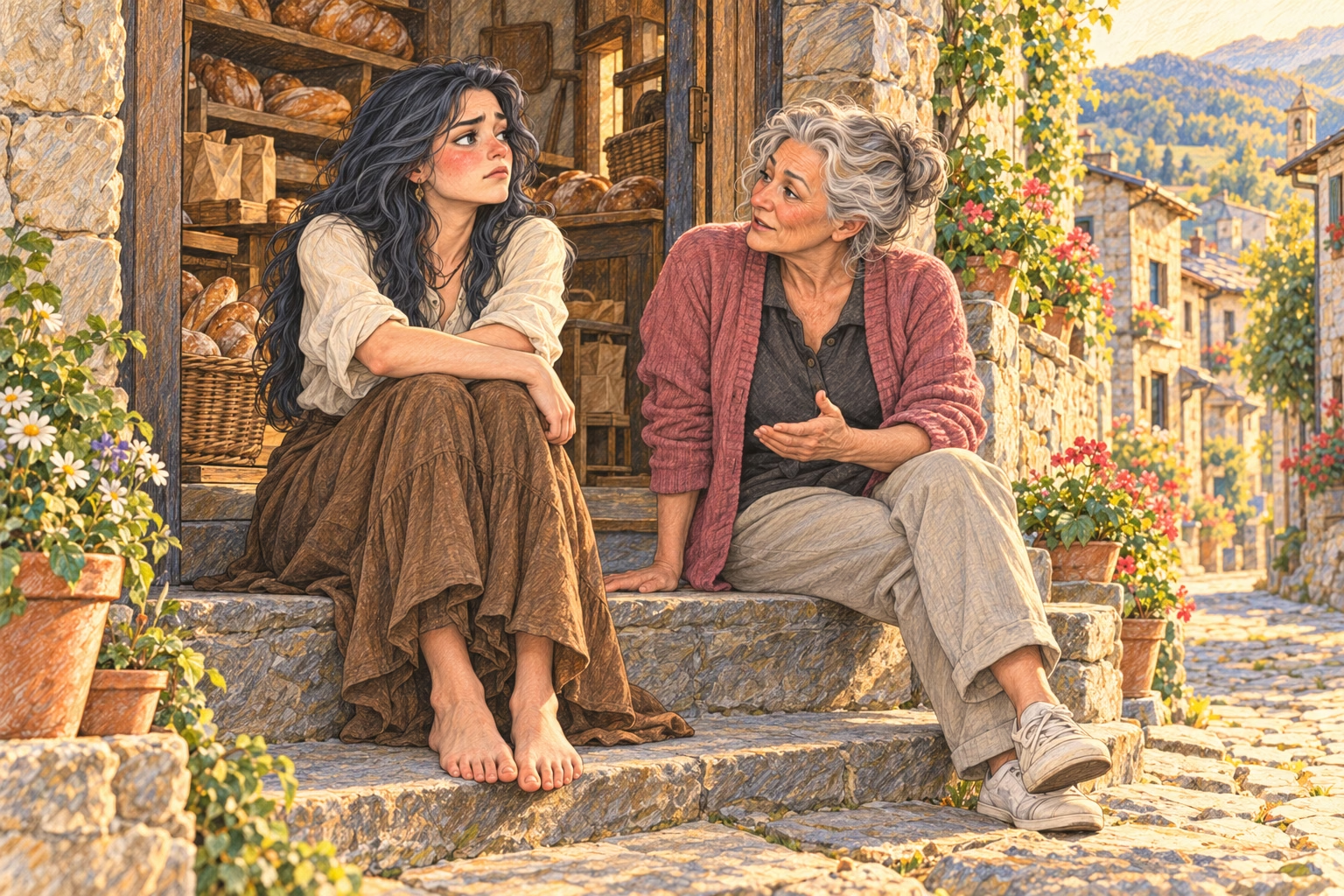
She let go of her face.
“There. And now I’m off for a wee, because my hip and my bladder have ganged up on me.”
They left early on a Friday, with the street smelling of bread.
Paco gave them an enormous paper bag.
“This won’t go off for three days. And if it does, dunk it in something.”
Under the bread were two T-shirts and a jumper of his eldest daughter’s. “She’s not coming back for them,” he said, without looking at Eva. And Eva didn’t say no.
Hortensia put the tartan blanket in Eva’s arms.
“It’s cold up there.”
And Eva took it.
They already had their hands on the door.
“Wait,” said Hortensia. “This isn’t something you show out in the street.”
She took the brown envelope out of her cardigan pocket. The same one she’d picked up off the café floor before the false teeth, now bulging and creased from weeks in her pocket. She tipped it out onto the flour.
An old iron key fell from the envelope, long and with a square bit, clanking against the wood like a tool. So that was what had been chinking in Hortensia’s pocket for weeks. Out came two folded sheets and a scrap of flour bag on which Axel read TARAMUNDI in large letters, followed by: the last house on the top street, the one with the oven built against the wall.
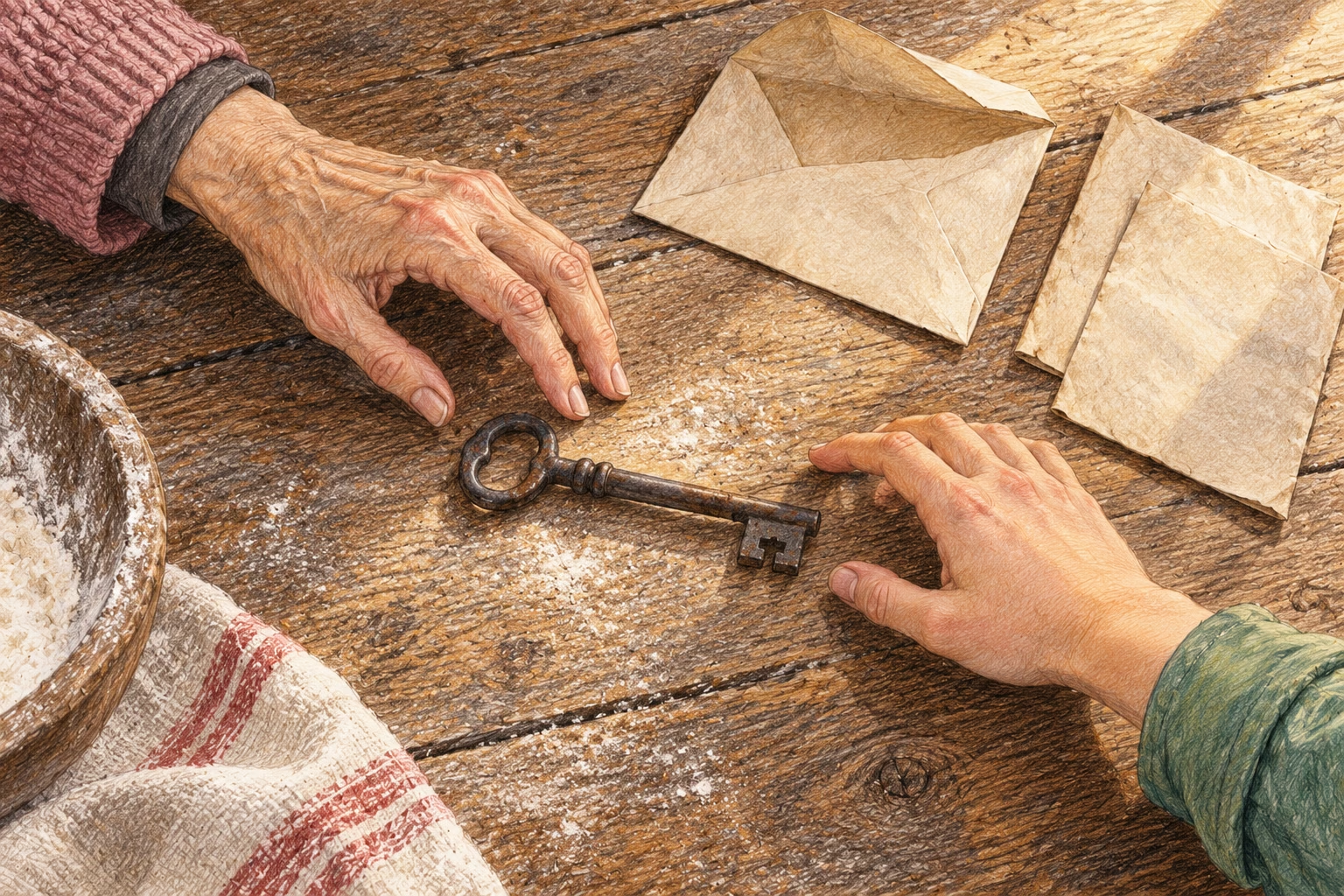
“I wrote it last night, everything’s flour round here,” said Hortensia. “In case you got lost, city folk that you are.”
“And these?” said Axel.
“That came a month before I met you.” She unfolded the first sheet between two fingers, as if picking up someone else’s sock. “From the council. Look what it says, in great big letters.”
“Ruin,” Axel read.
“Ruin. I told you it’d be a ruin by now. Now there’s a man with a stamp saying so.”
Paco stopped wiping the counter, which was clean.
“And what happened?”
“In January a slate came off the eaves and smashed the windscreen of the woman in the corner house. One who already didn’t say good morning to me when I was fifteen. And instead of coming up to knock on my door, she went down to the council. That she does know how to do.”
“Nasty piece of work,” said Eva.
“You said it, love.”
“And what does the order say?”
“That either the roof gets fixed before the thirtieth of September, or they pull it down themselves. And they send me the bill. Nine thousand and something. They pull your house down and on top of that you pay for the lorry. A piece of paper and a deadline.”
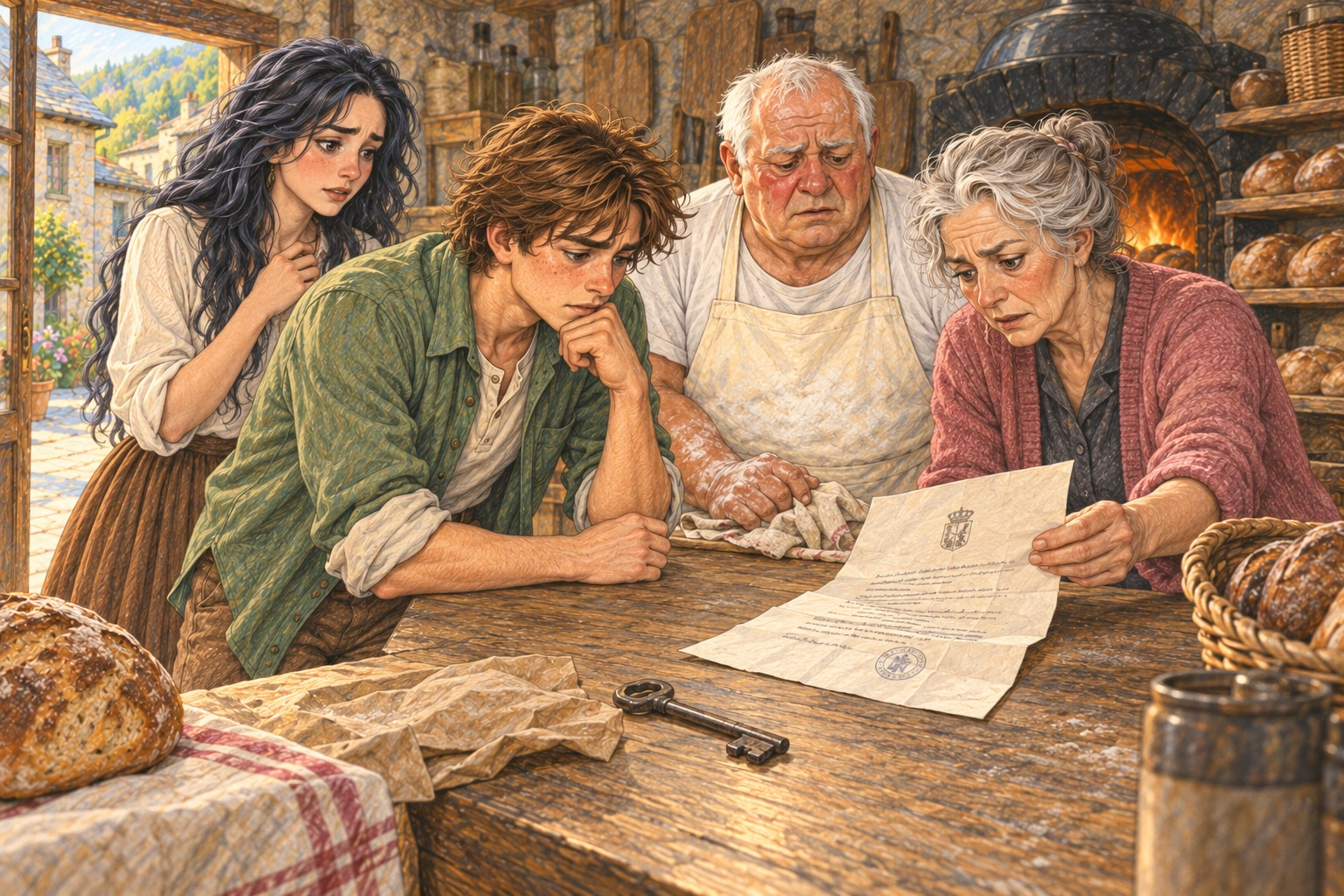
“That makes my blood boil…” said Axel.
“Hold on, the best bit’s still to come.”
She unfolded the second. A letter with a letterhead and, stapled to the back, a brochure on thick paper that shone brighter than the whole bakery. On the front, her street without a single bramble and with little lamp posts. And above it, in gold letters:
TARAMUNDI SLOW LIVING
“Look. My village. And then two words in English, in case you missed the point.”
“And what’s that when it’s at home?” said Paco.
“Going to the countryside, Paco. But paying for it.”
Eva let out a snort of laughter.
“Developers.” She turned the page. “Suites. Spa. ‘Rural experiences’. I had nineteen years of rural experiences, son, and not one of them had a spa.”
On the middle page was the house: the bread oven was a corner with cushions, and where the vegetable patch should have been there was a blue swimming pool with two sunloungers.
“And they’re making me an offer.” She put her fingernail on a figure in the letter.
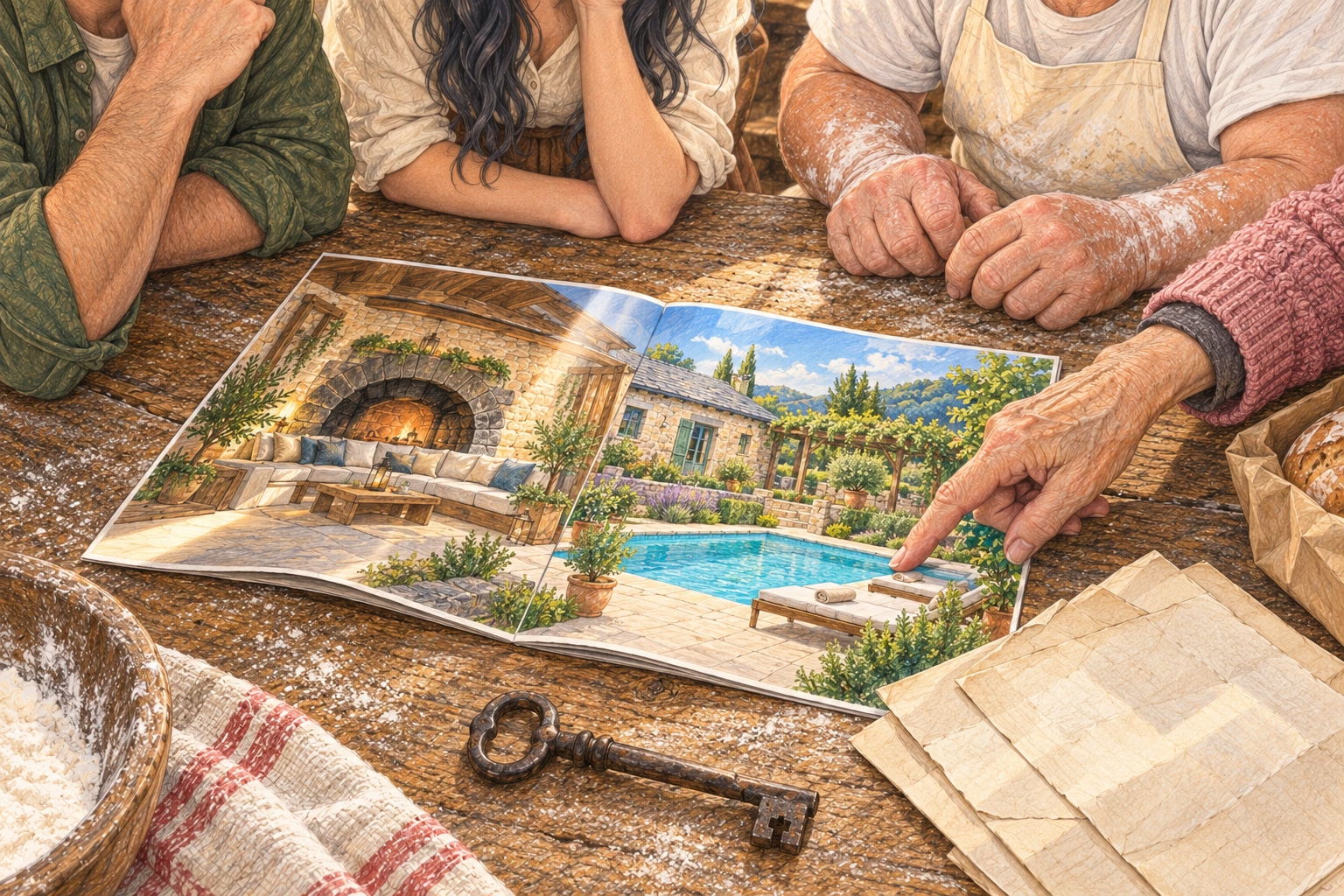
Paco let out a long whistle, the kind that slides down.
“For that money I wouldn’t even sell you my peel.”
“And they ring.” She took out her phone, put it face down on the counter and gave it a little pat. “At lunchtime, at three in the morning, whenever they feel like it. Someone selling something.”
“And what if you don’t pay for the lorry?” said Eva.
“They seize it and auction it.” She tapped the swimming pool twice. “And guess who bids.”
Nobody had to guess.
“Well, don’t sell it,” said Axel.
“I’m not selling, son. But I can’t pay for it either.” She saw Axel’s face. “And don’t look at me like that, I know I’ve got two bathrooms. They belong to my husband’s nephews, house and all. I get to live in it, and they left me enough for my coffee and my little cake.” She pointed her chin at the brochure. “The only thing that’s mine is that. And they want to stick a spa on top of my childhood. With bathrobes.”
“And what are you going to do?”
“Nothing. Let them pull it down.” She said it calmly, and she wasn’t. “I’m not going up there. You know that already.”
Hortensia wrapped the documents in the flour-bag paper and put them in Axel’s hand, with the key on top. He closed his fingers round the iron while she put the empty envelope away.
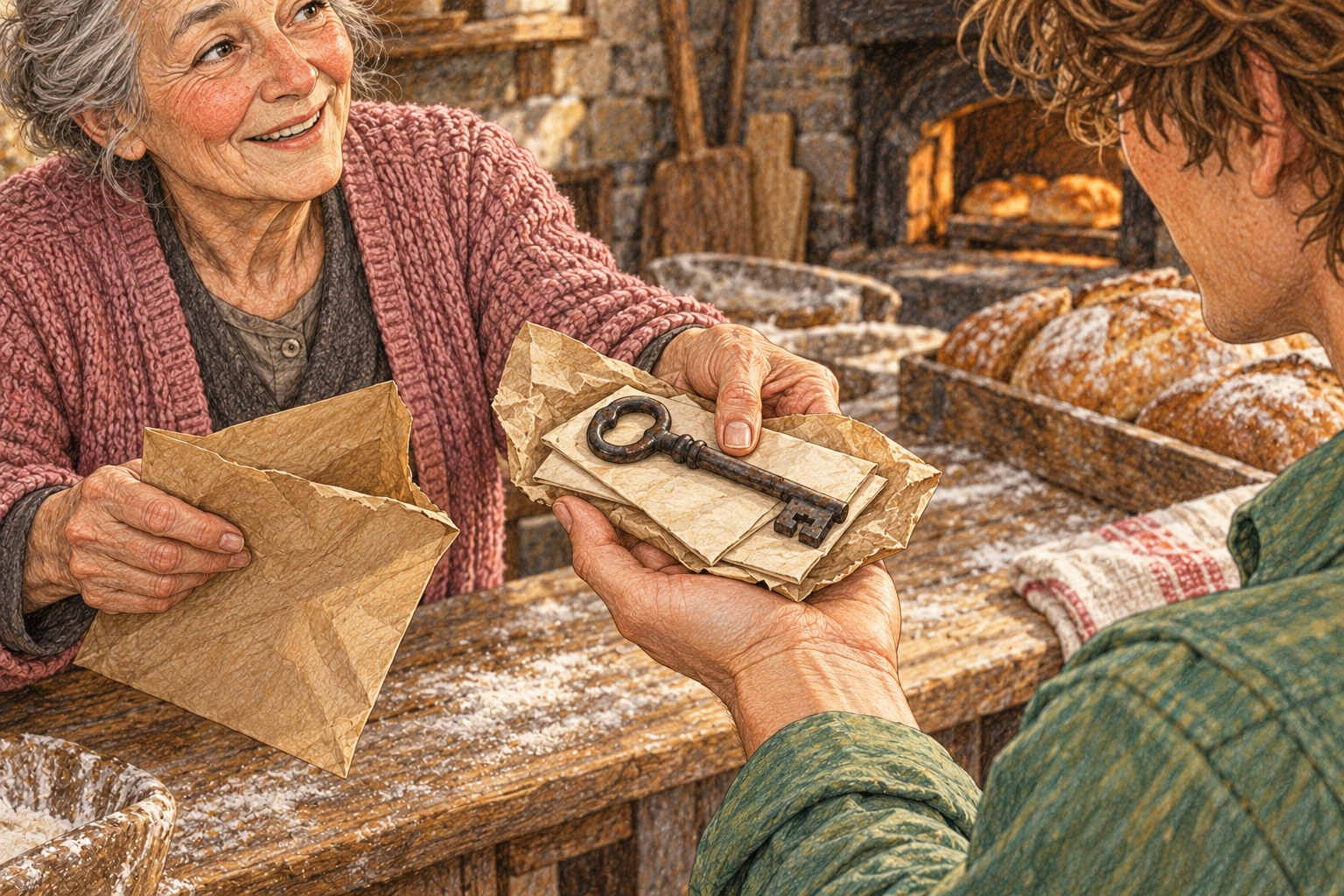
“This key has been in a drawer for forty-one years. The day that arrived, I took it out.” She sniffed. “And I’ll feel better if someone goes up and checks it’s still standing.”
“And what if they’ve already pulled it down?”
“You ring me and tell me. Just like that, mind. No dressing it up. I’ve heard plenty of things dressed up in my life and they were all worse on the inside.” She held out her phone. “Put your number in, go on.”
Axel typed it in. Hortensia put the phone away.
“But before they pull it down,” she said, “let someone see it who doesn’t want anything from it.”
The four of them hugged, one of those clumsy hugs where there’s always somebody with an arm left dangling. Hortensia held on to Eva a second longer than she needed to. Then she went into the bakehouse without looking back.
“Go on, out, you’re wasting the morning!” said Paco, and shooed them into the street with the peel.
At the edge of the village, Axel took the papers out again and read “Taramundi” aloud, trying the sound of it. Then he unfolded the sheet with the council stamp and came up against the thirtieth of September again. He no longer felt like savouring the name.
“Good,” said Eva.
“Good?”
“If it was close, someone would’ve gone already.”
Axel looked at the brochure.
“Somebody already has.”
Eva took it off him, looked at the swimming pool, folded it in half with the rest and stuffed the lot into Axel’s trouser pocket, on top of the key.
“Well, they’d better bring a chair.”