
Zoquete
One who doesn’t talk, a letter with a date and two pieces of chocolate
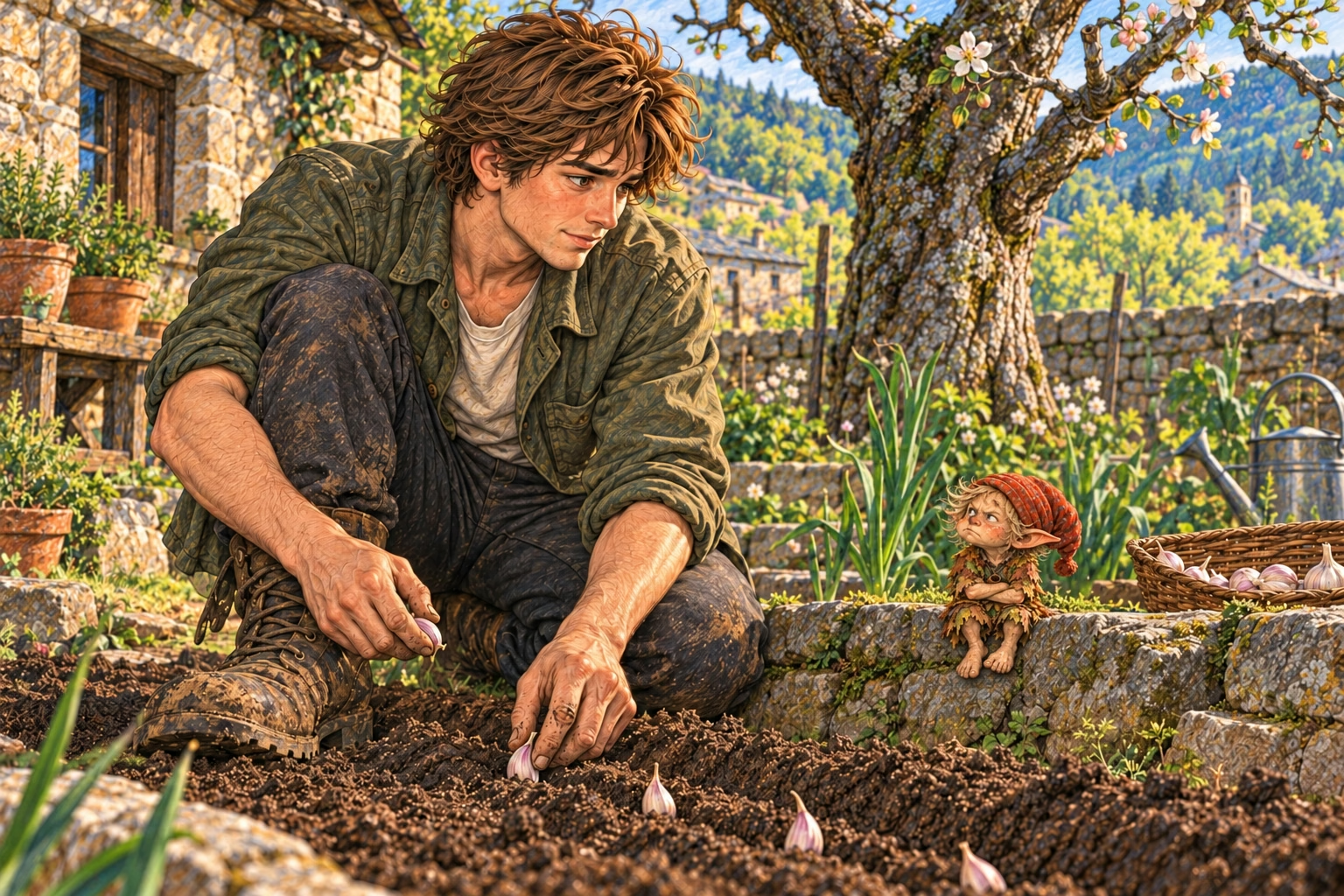
Gorgorito had been turning up mid-morning for three days, at the end of March, to do absolutely nothing. He’d sit on the edge of the vegetable bed with his legs dangling and give his opinion.
“That’s crooked.”
“It’s a clove of garlic, mate.”
“Well, it’s crooked.”
Axel was planting garlic under the old apple tree, which Úrsula had pruned savagely in January and which was putting out four blossoms.
“Gorgorito.”
“What?”
“So what is it that brings you lot into a house?”
“Chocolate, you numpty. What did you think?”
Gorgorito settled himself back on the edge of the vegetable bed to carry on watching him work.
Axel took the bar out of his jacket pocket and broke him off a piece. Gorgorito looked at it, front and back.
“Tightwad.”
And ate the whole thing.
He saw the last one in April, a year and a month after leaving home with a whopping great brand-new rucksack and a hundred and seventy-nine photos in a rubber band.
He found him outside on the kitchen windowsill, looking in. He was tiny and round, and had pulled a woollen sleeve over his head, which served him as a hat.
Axel opened the window.
“Hiya. Are you new?”
Nothing.
“What’s your name?”
The creature watched him very closely for a very long time. He didn’t open his mouth.
“Zoquete,” said Axel.
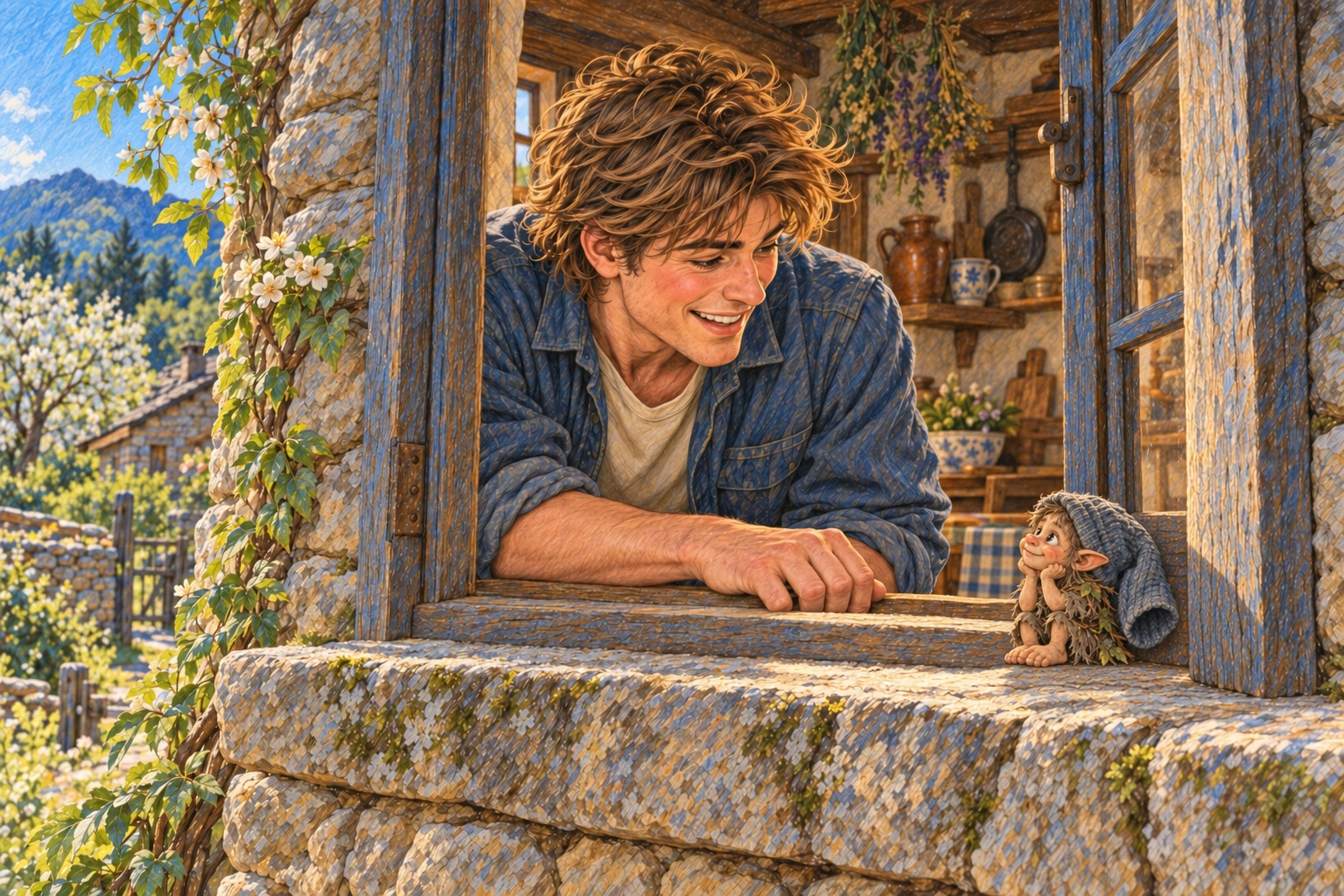
The creature nodded once, very slowly.
At Christmas Axel had sent three postcards. One to Bruno and Clara, with the photo they’d asked for: the front of the house and the two of them on the step, him with the bucket and her barefoot. Eva had propped Axel’s phone on the wall, set the timer and run to sit down. Afterwards she asked for a copy of her own and tucked it into her notebook. Another postcard went to Otilia at the closed guest house, and got no reply. The third went to a mountain village, with a best guess at the address: “Nardo, the one with the boat”, and the name of the village underneath.
His dad had said he’d come up at Christmas for the tools. At Christmas he sent another box.
Nardo replied in April with a proper letter, the sort with a stamp and a letterbox. Trini brought it up herself because she thought it deserved the walk. Inside was half a sheet of notebook paper, written with the biro pressed down very hard.
I’m knocking down the wall in June. Launching the boat on the first Saturday in August, at eleven in the morning, rain or shine. Come along, it’s a big boat. Nardo.
Nine years of sanding, and the man had set a date.
Axel remembered a night under a hull, with Eva four metres away in the dark saying “me too”, and turning over before he could answer.
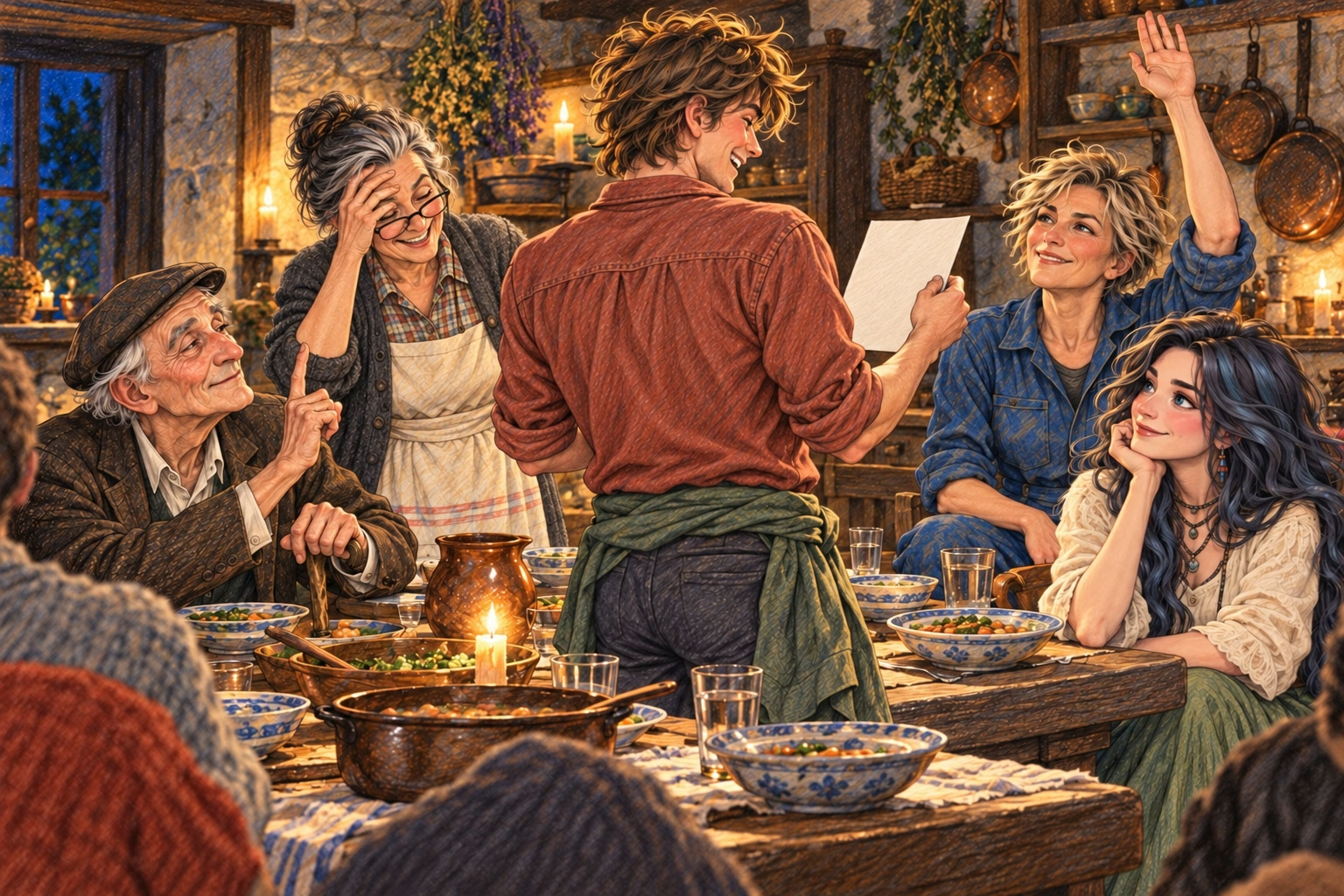
Eleven of them gathered at the house that night. Úrsula came, and Trini, Sabino, the lad with the frying pans and his inseparable accordion, the woman who’d made the tripe, and the Tuesday girl with her mother. Even the hotel owner and the neighbour from the corner came up, and the neighbour brought a dish and stayed. Kika settled beneath the table, nicely rounded out by now.
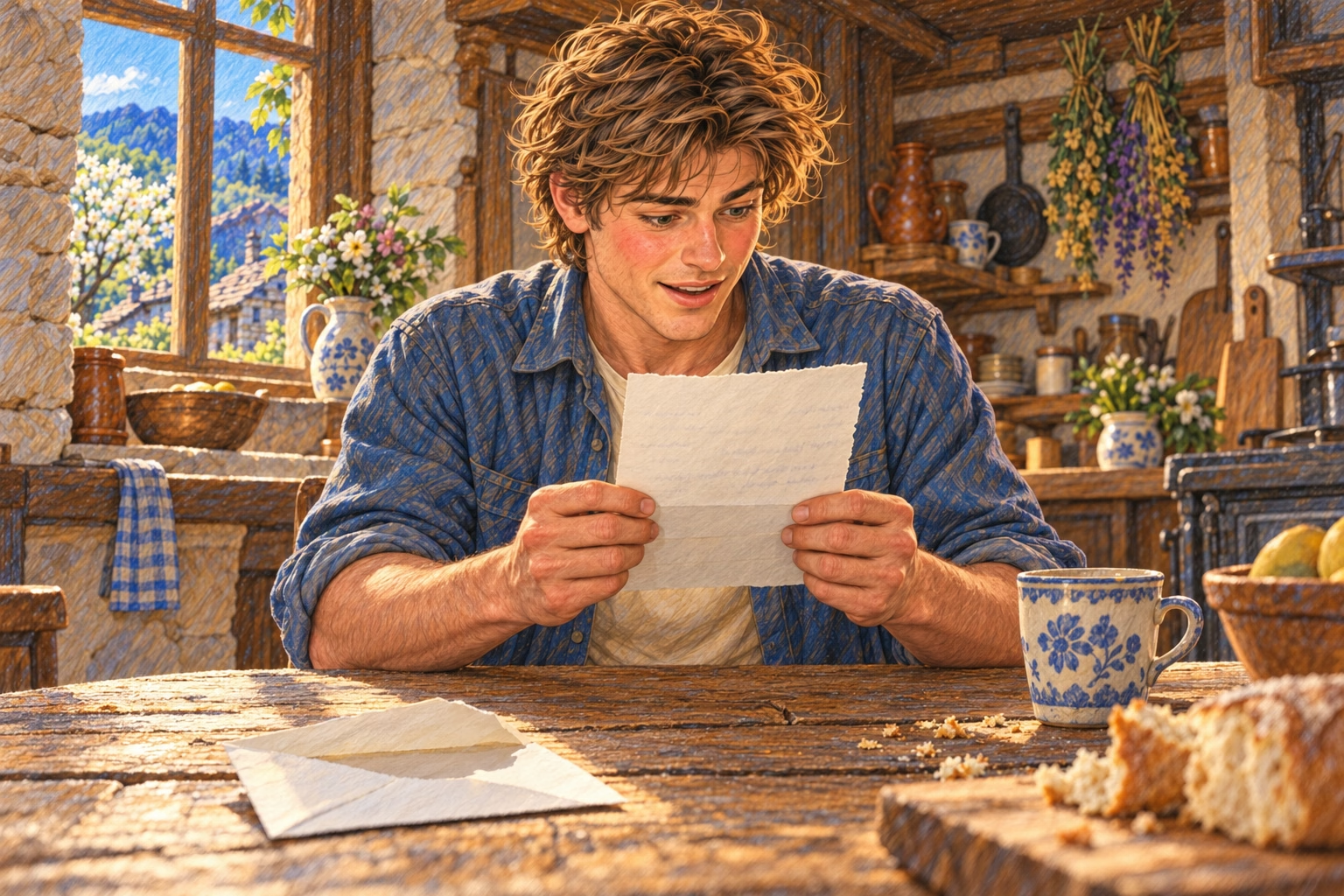
Axel made a stew in the hearth, crouching, stirring with a stick. And at pudding he read the letter out loud.
Axel was the first to answer.
“Let’s go.”
“I’ll drive,” said Úrsula.
“I’m shutting that Saturday,” said Trini.
A silence fell, like in church. Trini hadn’t shut for a whole Saturday in forty years.
“I’m not getting on a boat,” said Sabino. “But I’m going.”
“Will the accordion fit?” said the lad.
Axel sent Hortensia a photo of the letter from the balcony. Four minutes later her reply arrived:
Paco’s shutting on Saturday and I’m bringing the tortilla.
Eva didn’t say anything.
Before she sang she got up on a bench, and while people were going quiet she nodded down at Axel’s feet.
“Your feet stink,” she said under her breath, so only he’d hear.
“I’m barefoot, Eva. Same as you.”
“I know. But mine don’t stink.”
Perfectly pleased with that, she began to sing.
The last guests left some time after one. Axel and Eva cleared up as usual, without needing to decide who did what. When she went to the bedroom, he stayed to blow out the candles on the table.
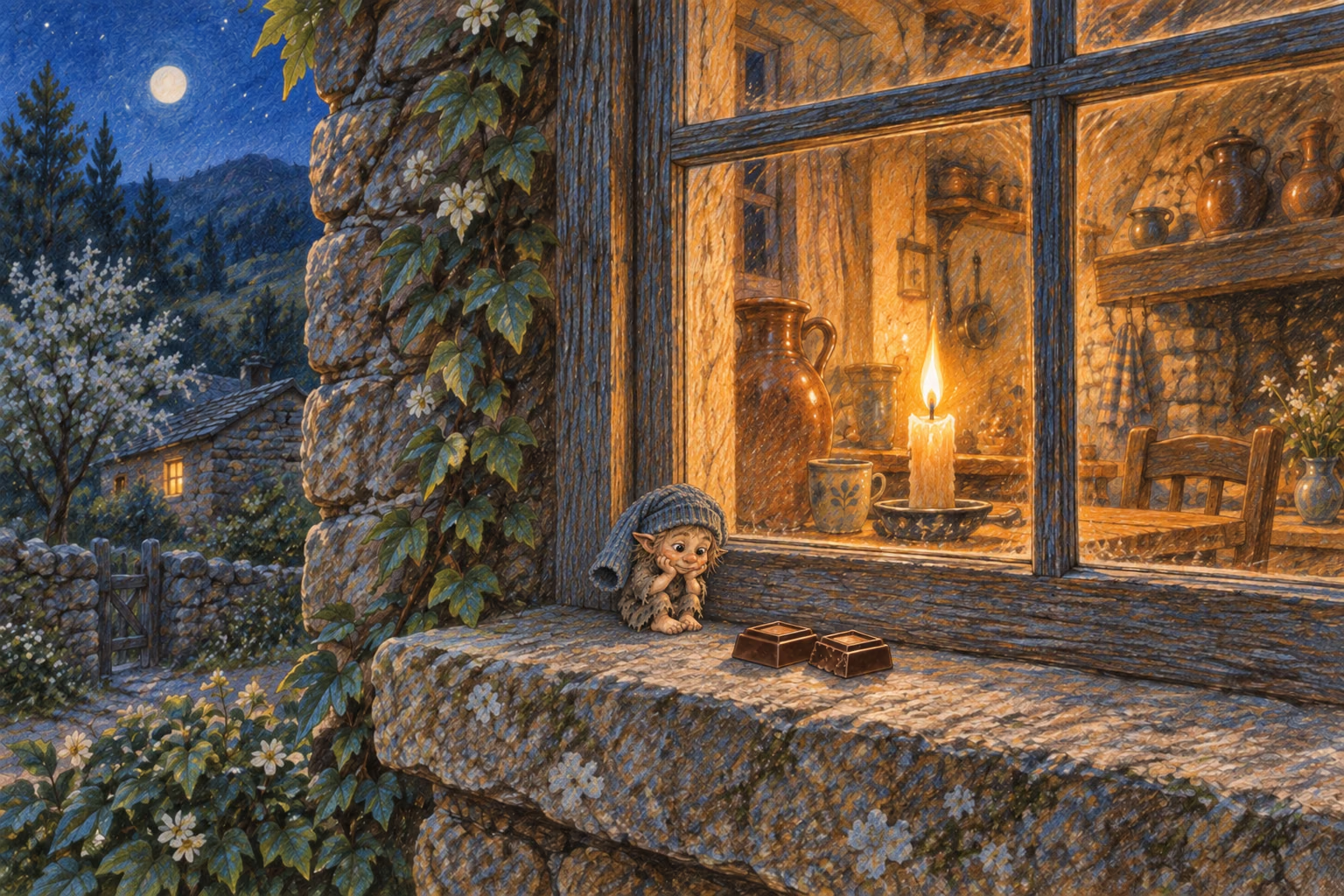
He opened the drawer, took out the bar of chocolate he’d bought on Thursday and broke off a piece. A good one, not a little corner.
He opened the window.
In Zoquete’s usual spot there was already a big piece of chocolate, roughly broken off the way Eva did it.
Axel stood there a moment with his in his hand. Then he put it next to the other one, shut the window and didn’t say anything to Eva.
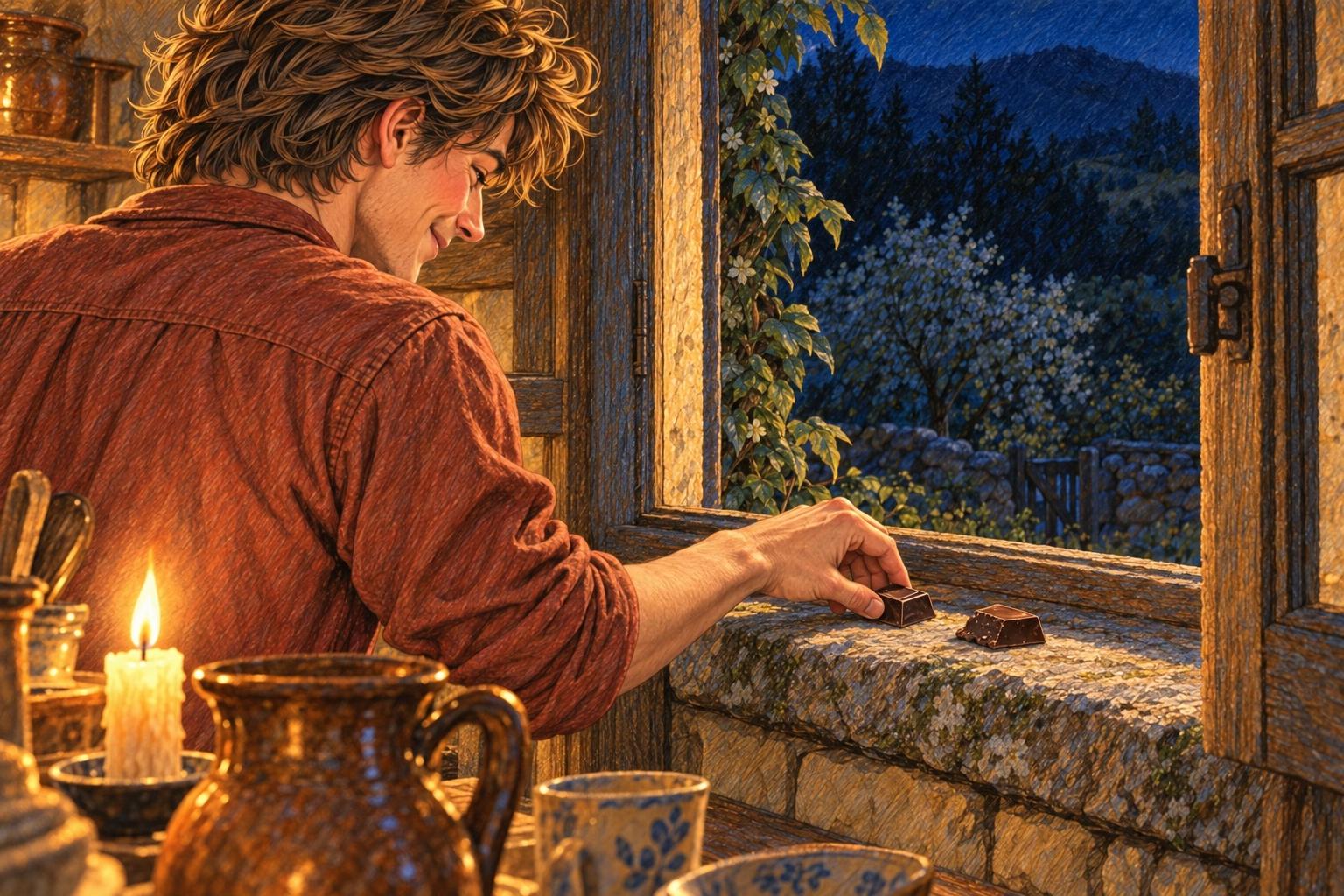
He left his hand resting on the glass. He could spend the night there with his face pressed to it, waiting to see what happened to a piece of chocolate. It took an effort to blow out the last candle and go to bed without another look.
In the hammock, he went over the day in the dark. He’d carried firewood up twice, made a not very successful batch of dough and spent an hour arguing with Úrsula about a gutter. He’d also left a piece of chocolate on a windowsill, beside one that was already there.
And nothing came.
It had come in January, on the nine-degree afternoon. It came in March, on a rainy Sunday, and kept him awake till three with the hollow sitting in its usual place. The next day he had to open up at eight. He opened up at eight.
It would return in May, in October and plenty more times, the way the cold comes.
He fell asleep halfway through looking back on the day.
The next morning, four crumbs remained on the sill and a damp mark where the dew had softened the chocolate. Just below, sitting on the balcony, Fay was licking his lips with great satisfaction.
Axel laughed to himself and didn’t ask the cat anything.
Turning round, he found Nardo’s letter fastened to the door frame with a drawing pin. He hadn’t put it there.
Eva went past behind him with the bucket, heading for the stairs.
“You coming down or what? Úrsula’s coming today about the gutter and we need to get the ladder up first.”
“It’s just I don’t know if the new ladder’ll take the weight of…”
“Give it some welly, Axel.”
And she carried on down.
Eva was halfway down the stone stairs, the bucket knocking against her knee, when she spoke again:
“Someone said that to me once.”
“I know.”
“Well, there you go.”
Axel stood for a moment in the middle of the kitchen.
Then he picked up the other bucket and went down after her, skipping the second step and the fifth.