
What They Take
They woke up and the rucksack was gone from where he left it
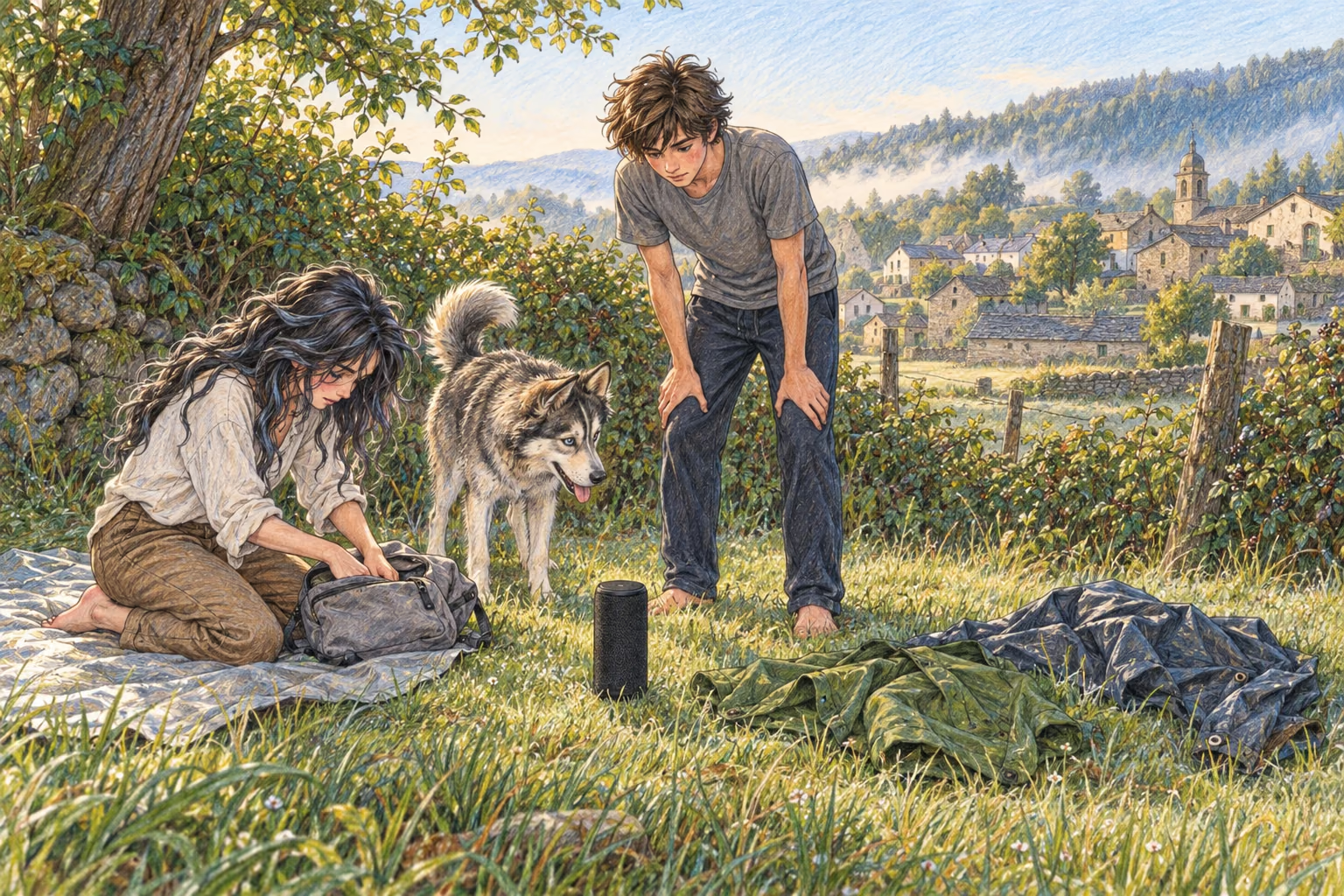
The grass on the verge was flattened.
“People come through here,” said Eva.
“It’s a track, Eva. Tracks are for coming through.”
She looked a moment longer.
“Okay.”
They’d found a flat, dry meadow outside Castrovalde del Ciervo, behind some hedges, with water two hundred metres away. It looked promising, though perhaps it was too close to the village: street lamps showed above the hedge and they could hear the occasional car.
It was hot as hell, so they didn’t put the tent up. They slept out in the open on Eva’s plastic sheet. And Axel left his rucksack under the hedge, with the tent tied on top and the waterproof over the lot. He’d been leaving it out every night for two months. He didn’t even think about it.
Kika woke Axel with her greeting “awoo-wo-wo”, the same one she gave when Eva came back from the fountain. Half asleep, he checked the time: ten past four. He listened for a moment but heard only the wind in the hedge and the dog lying down again with a snort. He went back to sleep.
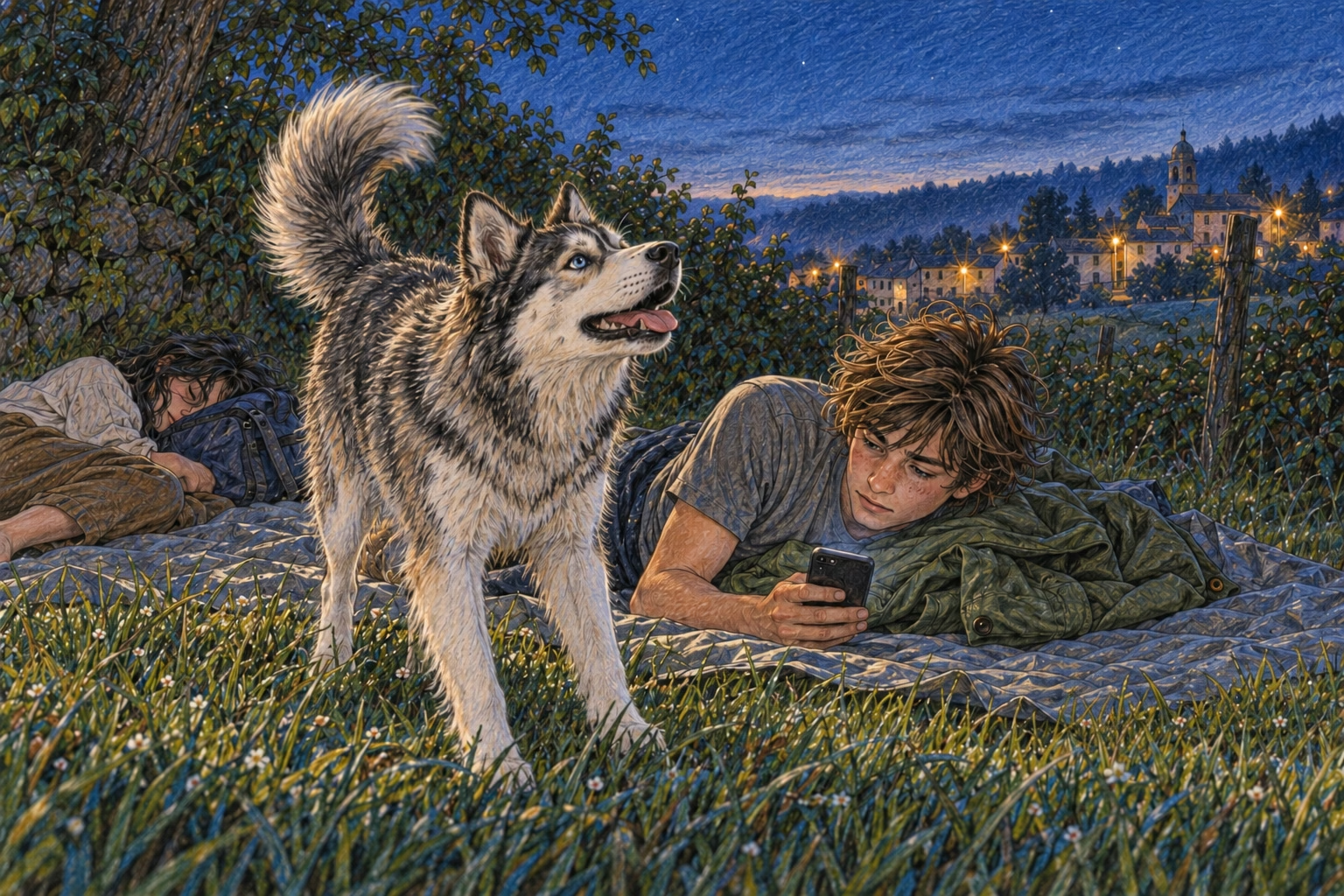
At half seven he got up barefoot, eyes still gummed shut, and went straight to the hedge for the rucksack to make the coffee.
It wasn’t there.
He convinced himself he’d left it somewhere else and spent a minute and a half searching the whole meadow, even under the plastic sheet and in corners where that enormous rucksack wouldn’t have fitted if he’d hammered it in.
He stopped when he saw the rain poncho in a heap to one side. Where the rucksack had been, only the speaker remained, standing in the grass with its cable wound round it. They’d even taken the trouble to leave it upright.
Kika came over to sniff it, wagging her tail, pleased as punch.
“Everything?” said Eva, on her knees on the plastic, hair in her face.
“Everything.”
“The pan?”
“Everything, Eva.” And then, without shouting: “Fucking thieving little bastards, every last one of them. The pan as well. Who nicks a pan?”
“Someone who’s hungry.”
Axel sat on the grass and began going through everything they’d taken: the tent, the sleeping bag, the pot, his father’s stove, Hortensia’s coffee maker, the head torch… He went on to the two T-shirts, the trousers, the charger, the first-aid kit, the penknife, the fork that doubled as a spoon and the money for the week.
He stopped.
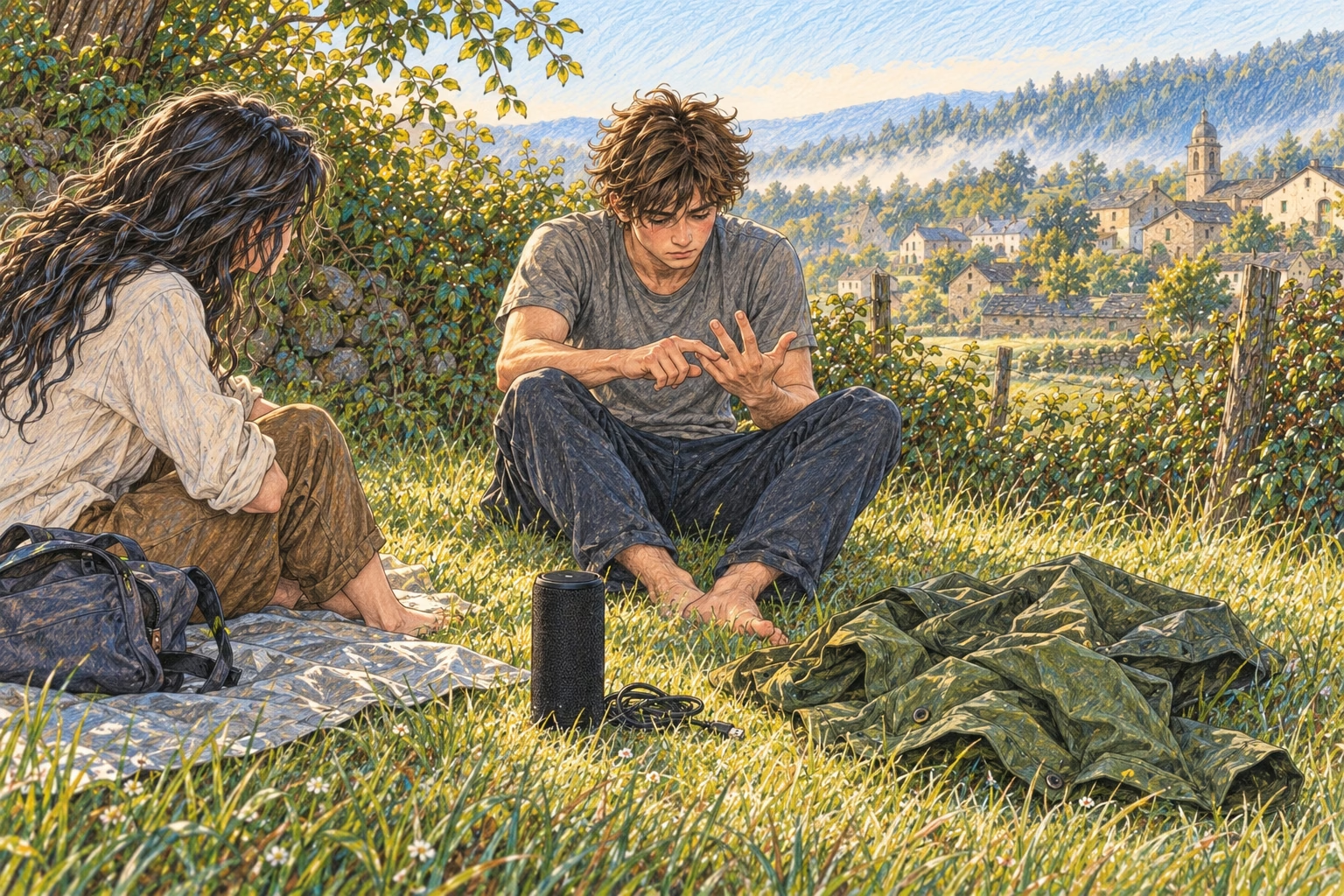
Eva waited.
“And the photos.”
A hundred and seventy-nine. Bruno with long hair. His mum crouching in the shoe shop. His dad under a car. The goat on the car roof. And the one with the two hats, the last in the stack.
“They were the only ones,” he said. And didn’t say anything else.
Eva didn’t open her mouth. Her fist was closed on her T-shirt, at chest height, like that morning with the Guardia Civil. Axel didn’t ask.
Then came the sums. Sitting on the grass with his phone, he added it up: the tent a hundred and twenty, a sleeping bag that isn’t rubbish ninety, stove with canister thirty, pan twenty, first-aid kit fifteen, two T-shirts and a pair of trousers that’ll last forty, and a head torch twelve. Three hundred and twenty-seven euros. He looked at his balance, looked at Eva, who’d been living for two winters on what fits in a school rucksack, and swallowed the number.
Eva’s rucksack was still on the plastic sheet, squashed by the head that had slept on it. She’d been using it as a pillow for a year and a half. He’d needed two months and a theft to understand why.
They went to the Guardia Civil post in the village to report it, even though they both knew what good that would do. The officer was nice and told them the truth: three thefts like that in a month, people passing through, the rucksack would already be empty in some ditch.
“Was there any ID in it?”
“No, I keep it on me.”
“Cards?”
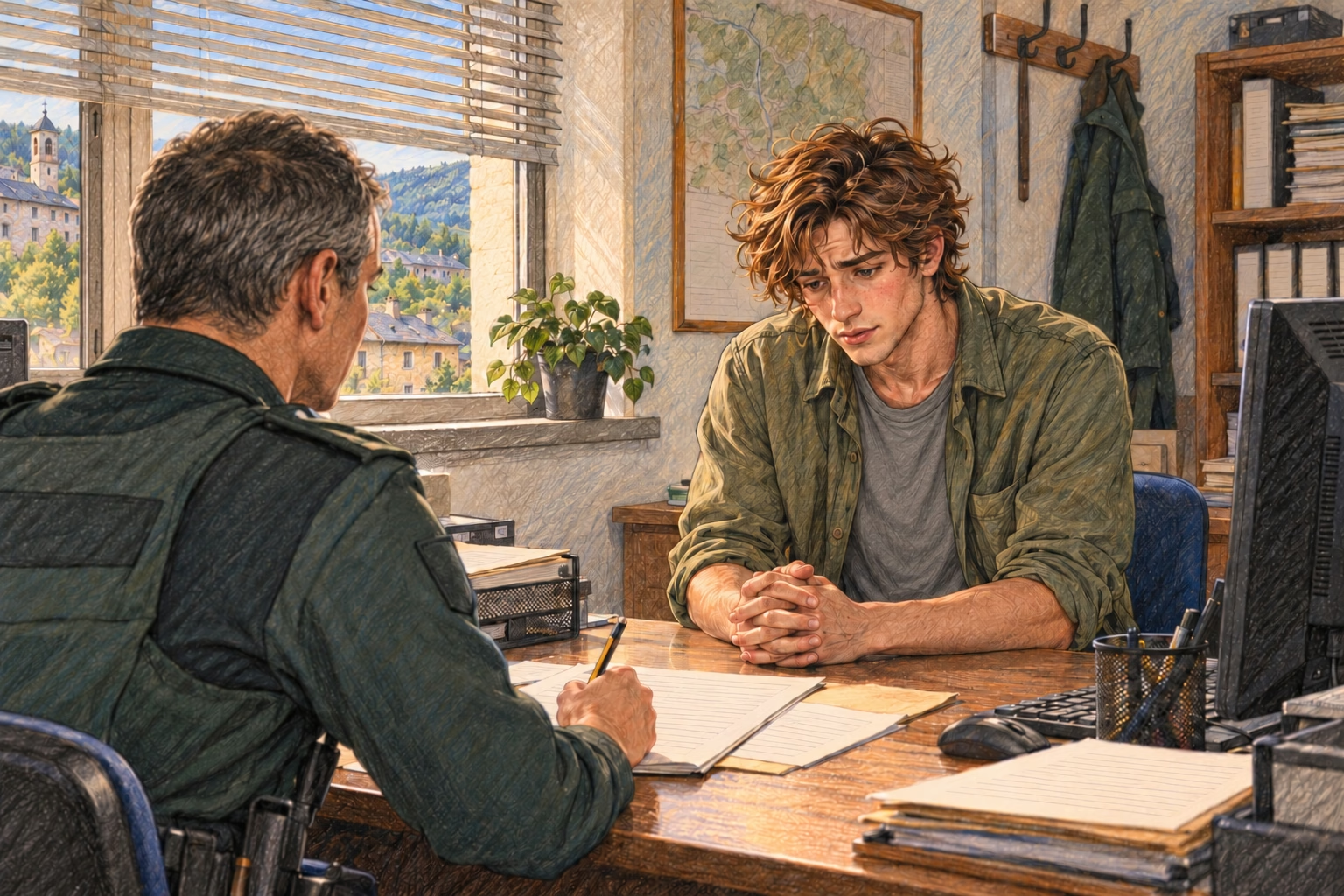
“On my phone.”
“Well, that’s something. Anything of value?”
Axel opened his mouth and realised he didn’t know how to say that.
“No.”
They sat on a bench outside the police station under glorious sunshine that Axel found downright disrespectful. He had the clothes he was wearing, the jacket he’d used as a pillow, and that speaker clutched in his hand.
“It’s the only thing they left. And standing up, Eva. They left it standing up.”
“They chuck them,” she said. “Second-hand they’re worth nothing and they’re heavy. They empty the rucksack right there and take whatever sells.”
“Yeah. But standing up.”
“They land like that.”
“They don’t land like that.”
Eva looked at the speaker for a while.
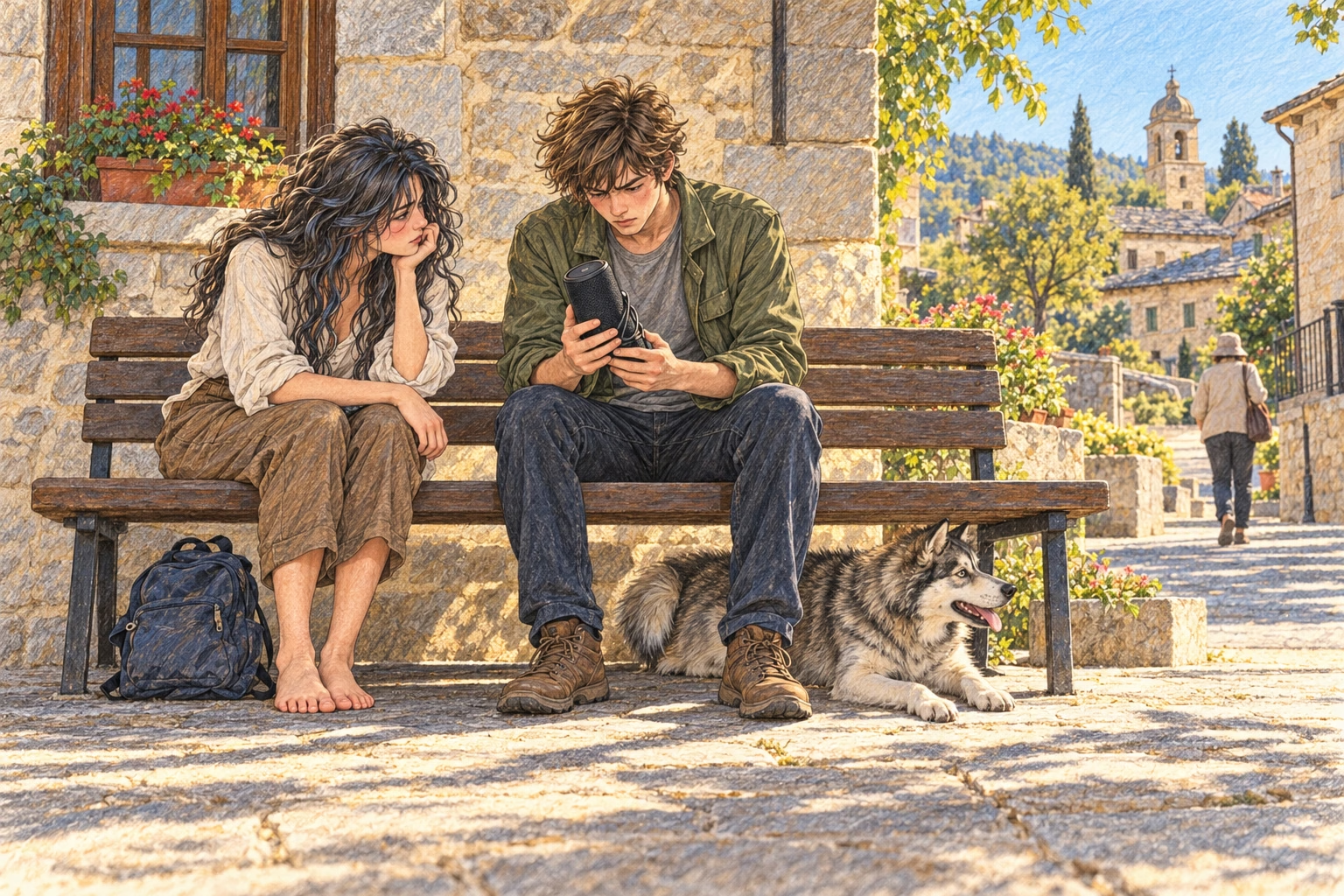
“Sometimes they land like that.”
Kika was lying at the foot of the bench, wagging her tail every time someone walked past on the pavement.
“And this one,” said Axel, “said hello to them.”
Eva scratched the dog’s ears.
“She’s a husky, Axel. A husky’ll sell your house for a stroke.” She lifted one of the ears and let it drop. “If you wanted a guard dog you should’ve brought Fay.”
At two in the afternoon he put his hand in his pocket for his phone and felt a piece of paper.
It was the bit of flour sack, folded in four, with Hortensia’s two sheets inside. And underneath, cold, the iron key.
He stood looking at them in the palm of his hand. A thirty was poking out of the fold of the order.
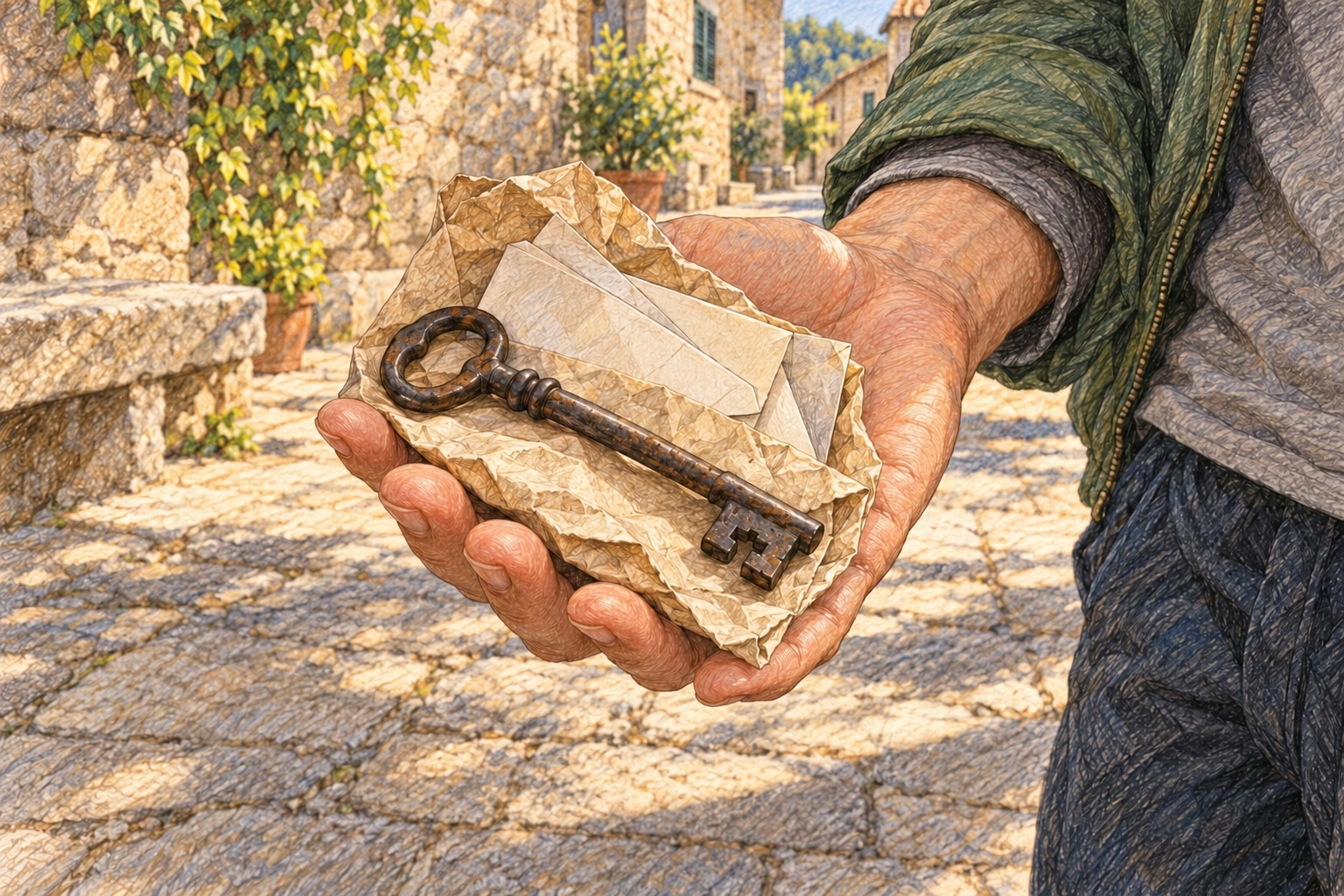
They’d stolen everything that was his. Hortensia’s things were still there.
His eyes filled right there in the middle of the pavement, with the flour-bag paper open in his hand.
“Hey,” said Eva.
“It’s just…”
“I know.”
“It’s just, that was all of them.”
Eva took the speaker from his other hand and tucked it under her arm, without trying to console him by saying they were only things or that he could buy more.
“And the one with the hats was the only one I had of Rubén,” he said, when he could.
Eva didn’t ask who Rubén was.
She waited as long as it took.