
Two Cords
Learning to ask for things at twenty-six
Four days later they had no banknotes left, and although Axel had his account and card on his phone, they couldn’t find a cash machine that would read it. They’d crossed three villages without a bank, Umbría, La Hondonada and Sietecastaños, and the machine in the fourth took as much notice of him as the one in Vega del Fresno. The shops didn’t have card readers either. To top it all off, the gas ran out.
They were heating water in a food tin they’d washed and kept. The new stove went pfff, gave off a funny smell and died. Axel shook the little canister and tried again. Nothing. It had lasted a lot less time than he’d expected.
“Now what?” said Axel.
“Now fire.”
“This grass won’t light even with petrol.”
Eva looked at the grass, looked at the sky and came to the same conclusion.
“I’ll sing tomorrow, then.”
“There’s nobody here to sing to.”
“Tomorrow.”
The lad with the car appeared on the second day, after three hours on the road. Axel had sent him the village name the night before, because he’d asked, and because Axel still hadn’t learnt the art of pretending he hadn’t heard.
Eva told him about the money like it was nothing.
“Get away. How much do you need?”
He got his wallet out right there, in the middle of a threshing floor. One of those wallets that won’t shut properly.
“No,” said Axel.
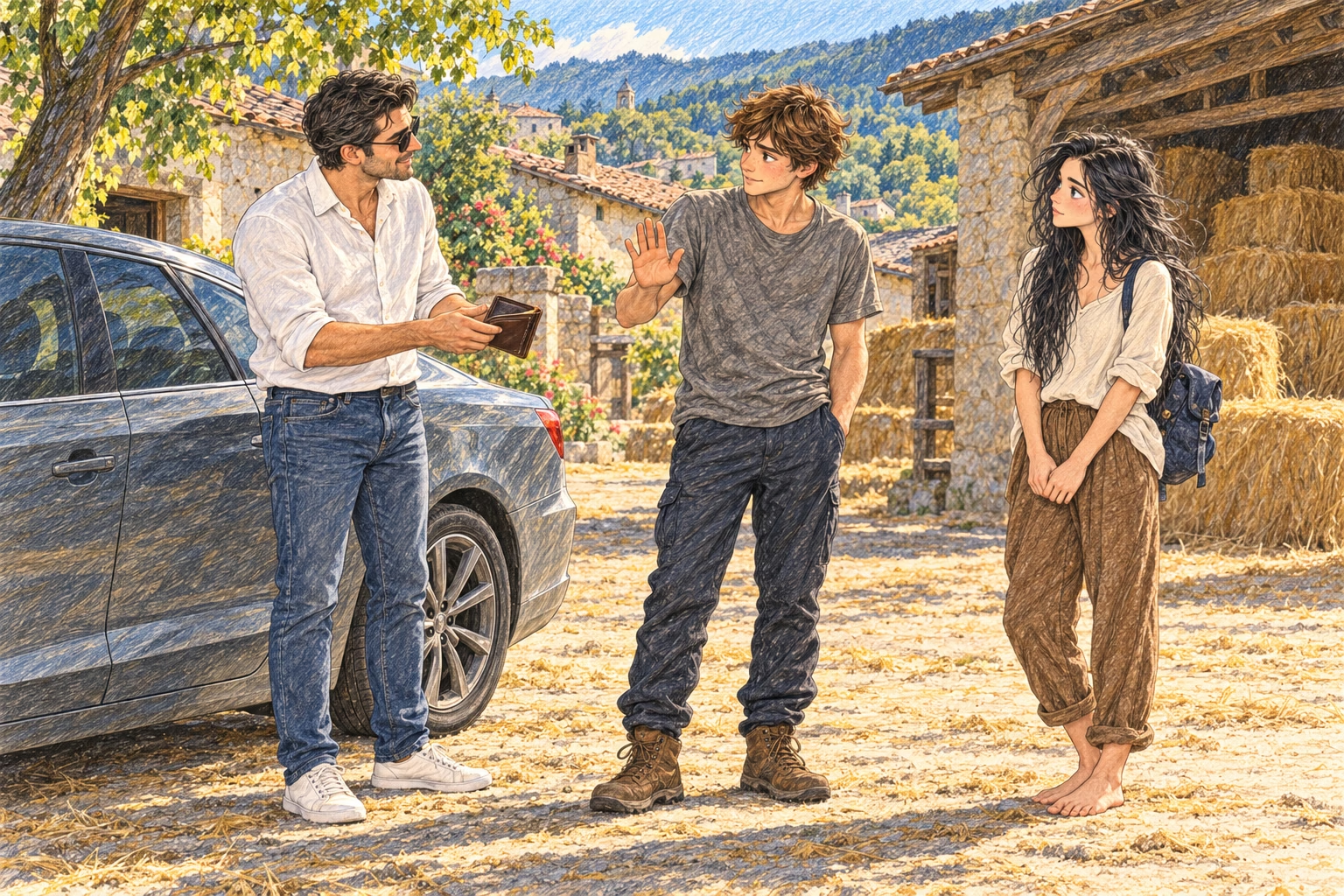
“It’s nothing, mate.”
“I know it’s nothing, mate. No.”
“How come?”
Axel searched for an answer that made sense, but all that came out was this bit of nonsense:
“Because then we’re not really doing it.”
The lad with the car put his wallet away, making no attempt to hide how stupid he thought the whole thing was.
“Okay, man. Go hungry with dignity, then, it makes a great story afterwards.”
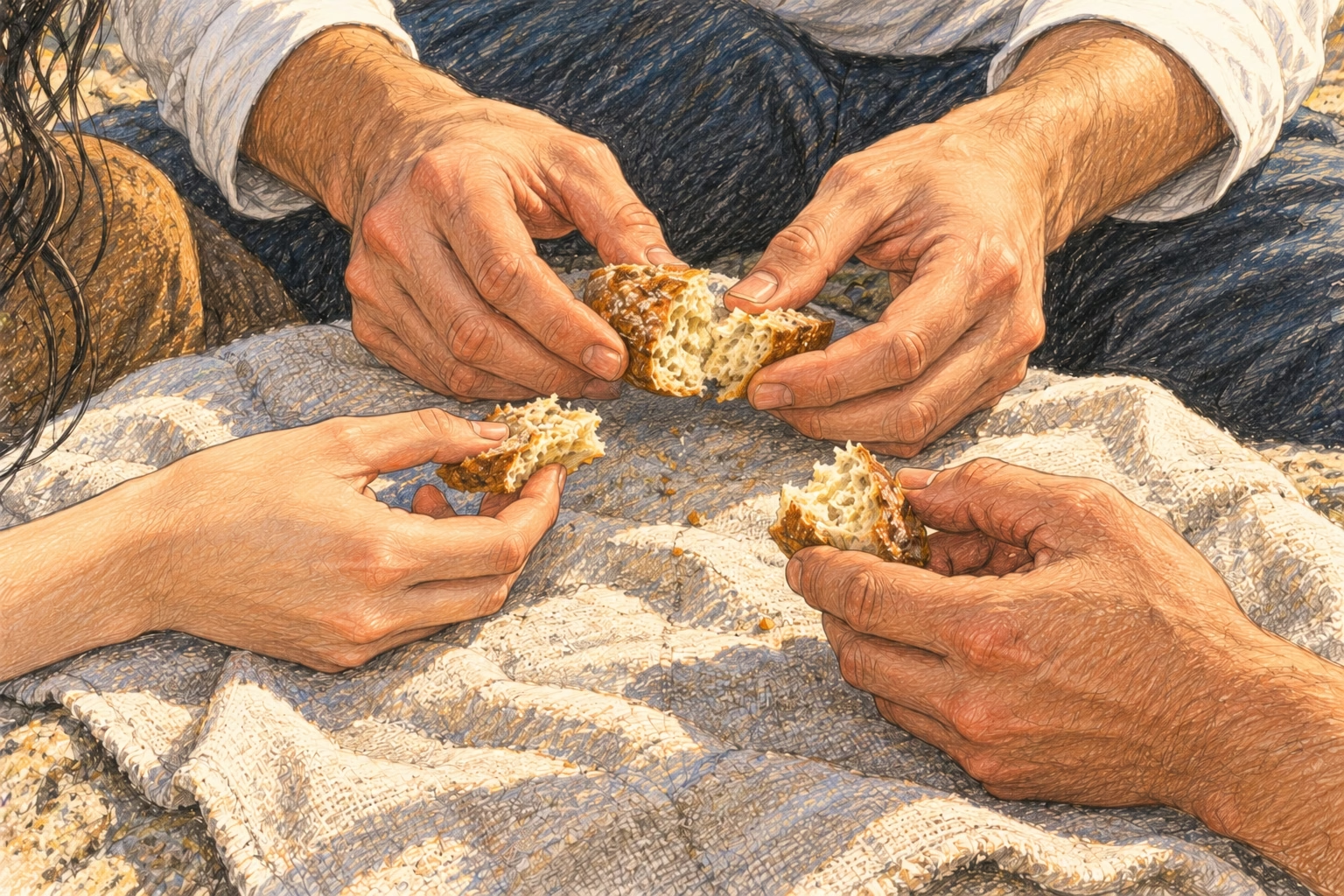
He stayed for lunch. Reaching for another piece of bread, he saw there was only one left. He broke it into three and carried on talking.
With the car door already open, he said:
“I played it to a mate of mine.”
Eva looked up.
“Played what?”
“The one at the fountain.” He got in the car. “He’s asking who you are.”
And he drove off.
Eva stood looking at the spot where the car had been. Then she started folding up the plastic and didn’t open her mouth all afternoon.
The next morning they stopped outside the last house in the village. Behind the fence were four rows of tomato plants laden with fruit and a man peacefully working his hoe. Axel stared at the tomatoes until his mouth watered, but got no further than staring.
“What are you doing?” said Eva.
“Nothing.”
“Ask him.”
“What?”
“Ask him.”
Axel looked at her like she’d told him to climb the fence and nick them.
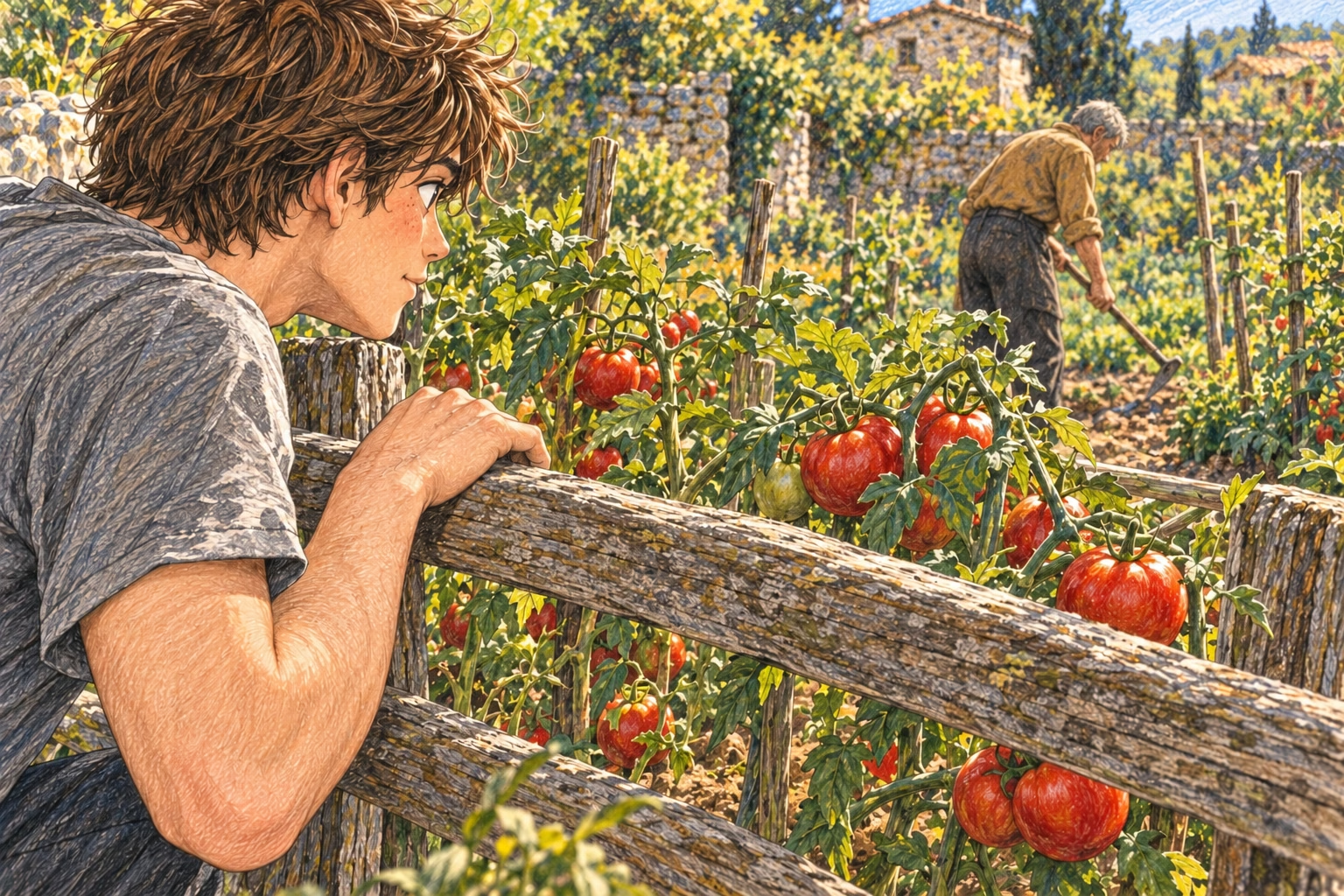
“How am I supposed to ask him?”
“With your mouth.”
“You just don’t do that.”
“You’ve never asked for anything in your life.”
“Course I have.”
“What, then?”
However hard he searched, he could only remember the times he’d given: rounds of drinks, loans he’d never asked to have back, house moves he’d turned up for without being asked. He couldn’t come up with a single time he’d asked for anything himself.
“Dunno.”
“Exactly.”
Eva went up to the fence.
“Morning. Excuse me, have you got any tomatoes going spare?”
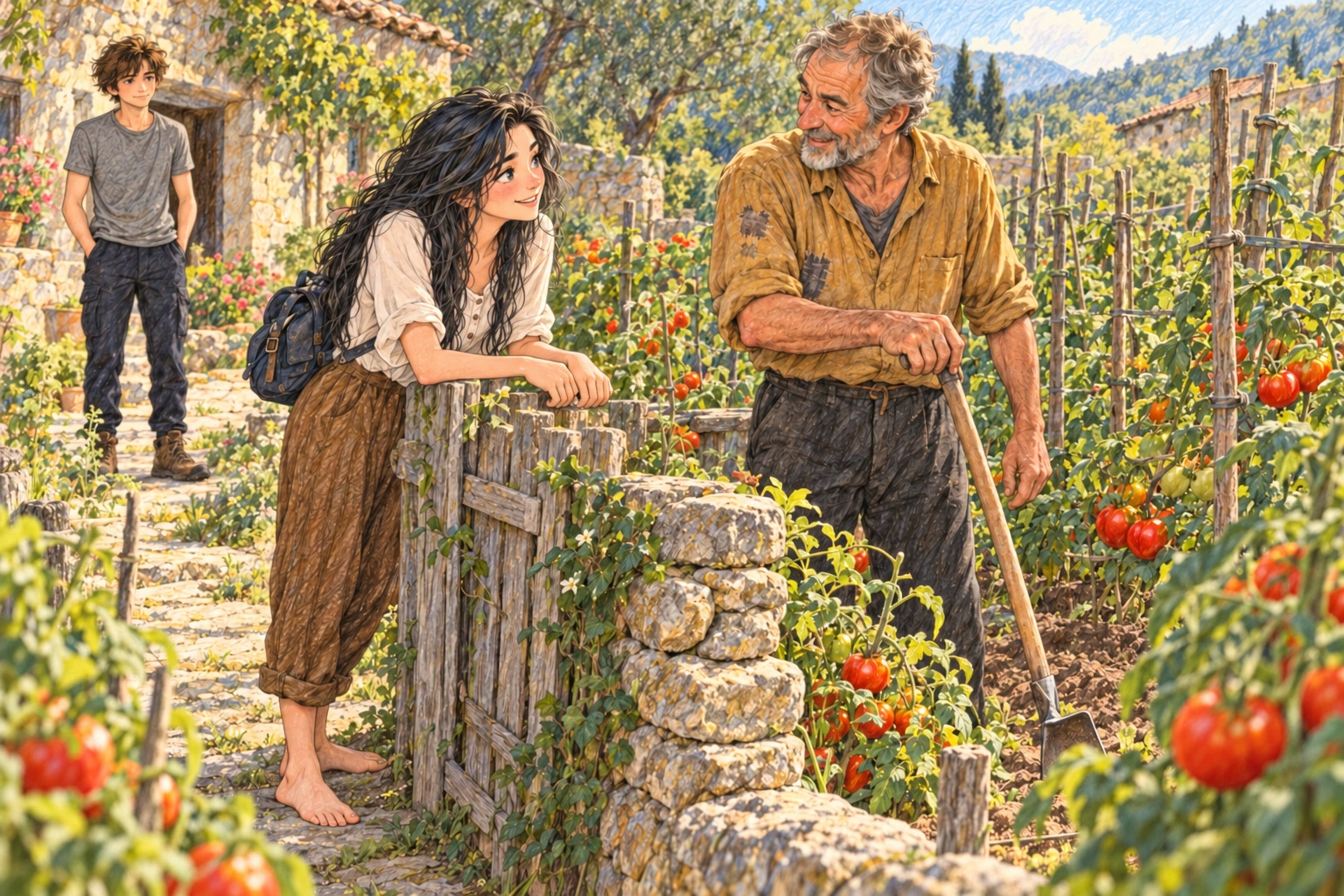
“I’ve got a hundred kilos going spare.”
“Could you give us two?”
“Two kilos?”
“Two tomatoes.”
The man burst out laughing and picked four off a plant.
“Take four, love. And a couple of peppers, they’re going rotten on me. And if you like courgettes, say so, I’ve got a plant that’s breaking my heart.”
Within forty seconds, Eva was back with the tomatoes gathered in the hem of her T-shirt. Axel hadn’t moved an inch.
“Here.”
“Yeah, but…”
“Axel. He had too many.”
She kept walking. Axel stayed three steps behind with that sentence.
He decided to sort out the gas canister all by himself. He went into the shop in the next village carrying the empty one and approached the counter, where an eighty-year-old woman was doing a crossword.
“It’s just…” He rubbed the back of his neck. “I’m going to tell you something really stupid.”
He made a terrible job of explaining it, apologising before every sentence and going round in so many circles that the woman went back to her crossword while he was still talking.
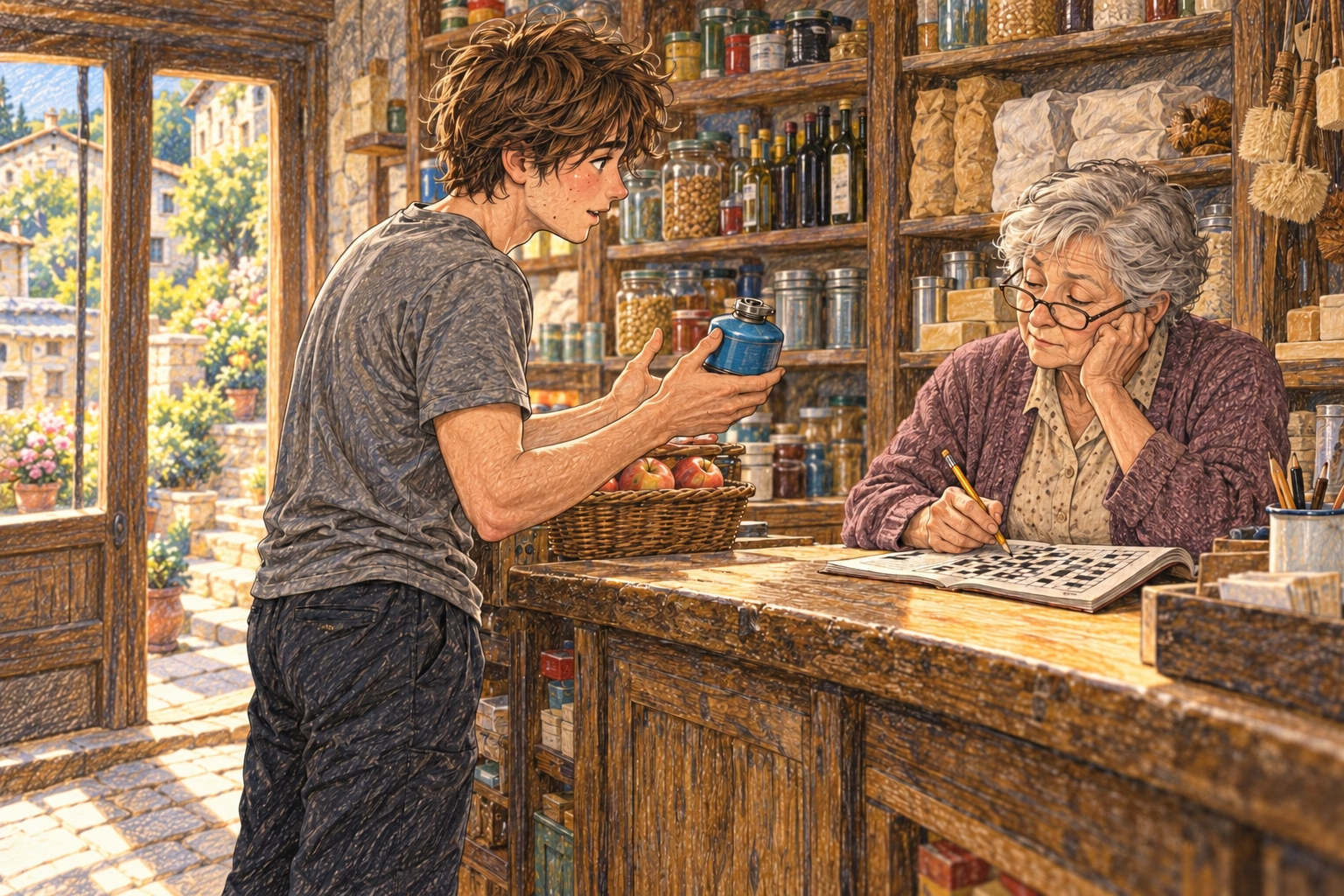
“Take one.”
“No, what I wanted to know was if you might…”
“Take one, son, you’re blocking my light.”
Axel took one.
“And if you’ve got eight euros spare on your way back, put them in the church collection box,” she said. “Or don’t, I can’t stand the priest either.”
And she carried on with her crossword.
Eva sang on the Saturday, at the market in San Antón del Río, between a blanket stall and a cheese stall.
People stopped to listen, clapped and left without putting anything down, because there was nowhere to put it. No cap, no little plate, and the thieves had taken the pot. From the blanket stall, Axel counted fourteen people who’d left with a hand halfway into a pocket. Then he looked at his boots.
He took the left one off, which was the one that smelled least. Or so he thought.
And he went from stall to stall, limping, one foot in a sock, holding the boot open end up and red to the ears. The cheese woman put in two euros and begged him for the love of God to put it back on, he was scaring her customers away. A kid put in a sweet. A man asked if the boot was for sale as well.
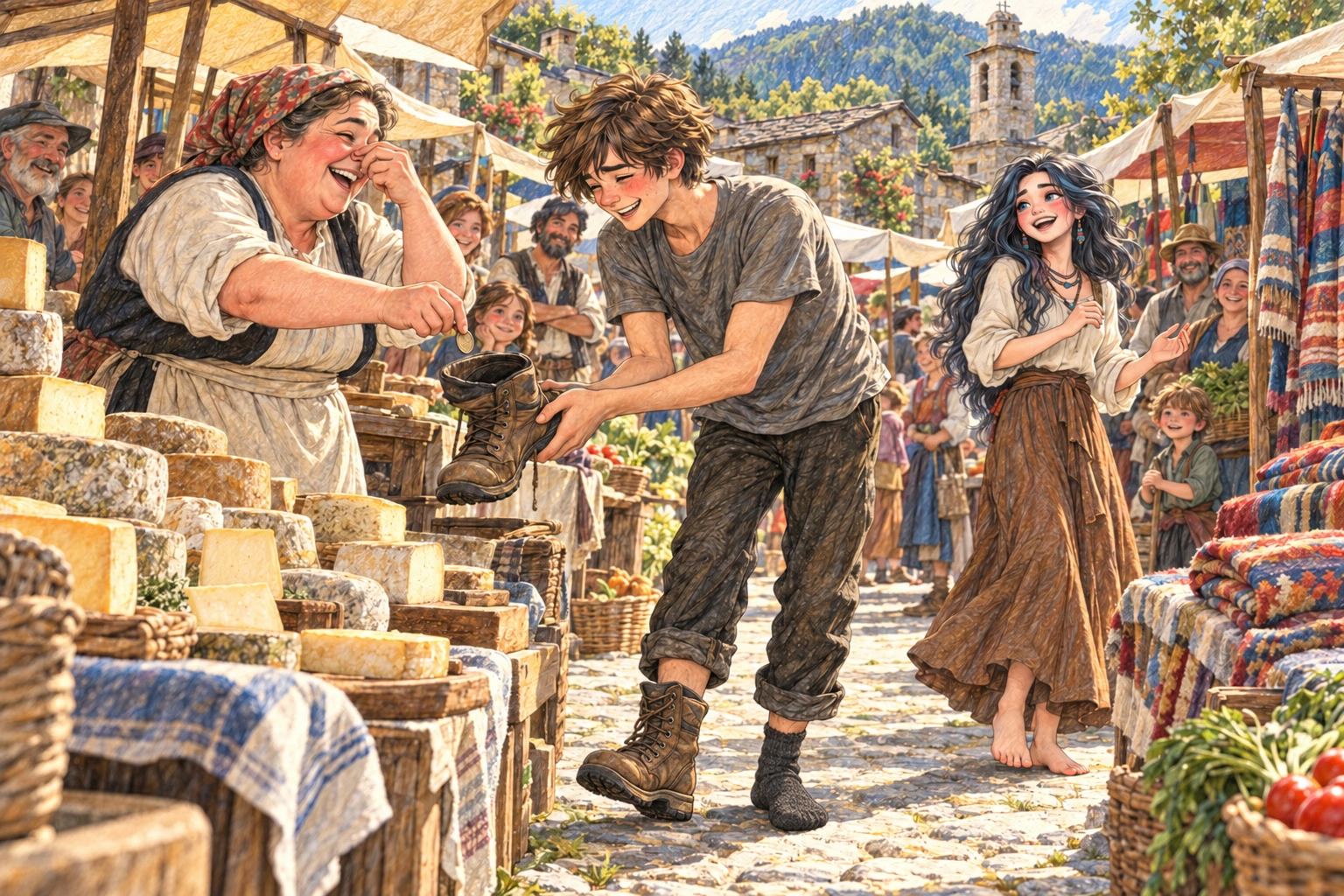
Eva saw him coming halfway through a chorus and nearly lost the note.
He came back with eleven euros twenty, a sweet and a black sock.
“Whose idea was that?” said Eva.
“My foot’s. It reckons it smells like the cheese stall.”
“Your foot always smells of something.”
Axel tipped the boot out onto the blanket and counted the coins twice.
He’d managed to ask in front of an entire village, with one foot in a sock and looking a complete idiot, and he’d survived. In the end it took eleven days to find a cash machine they could use, and they didn’t miss a day’s food.
When they finally got to a cash machine that could read a phone, Axel took out two hundred euros and it was gone in four days: a canister, a pan, woolly socks and a night in a guest house where they could have a shower without rationing every drop.
Axel checked what was left in his account, locked his phone and didn’t say the figure, because you can get through eleven days with a boot in your hand, and a winter you can’t. On Sunday nights, as soon as Eva fell asleep, he sent Irene the same three lines: she eats, she sleeps, she laughs. Irene answered straight away, as though she’d spent all Sunday with the phone in her hand.
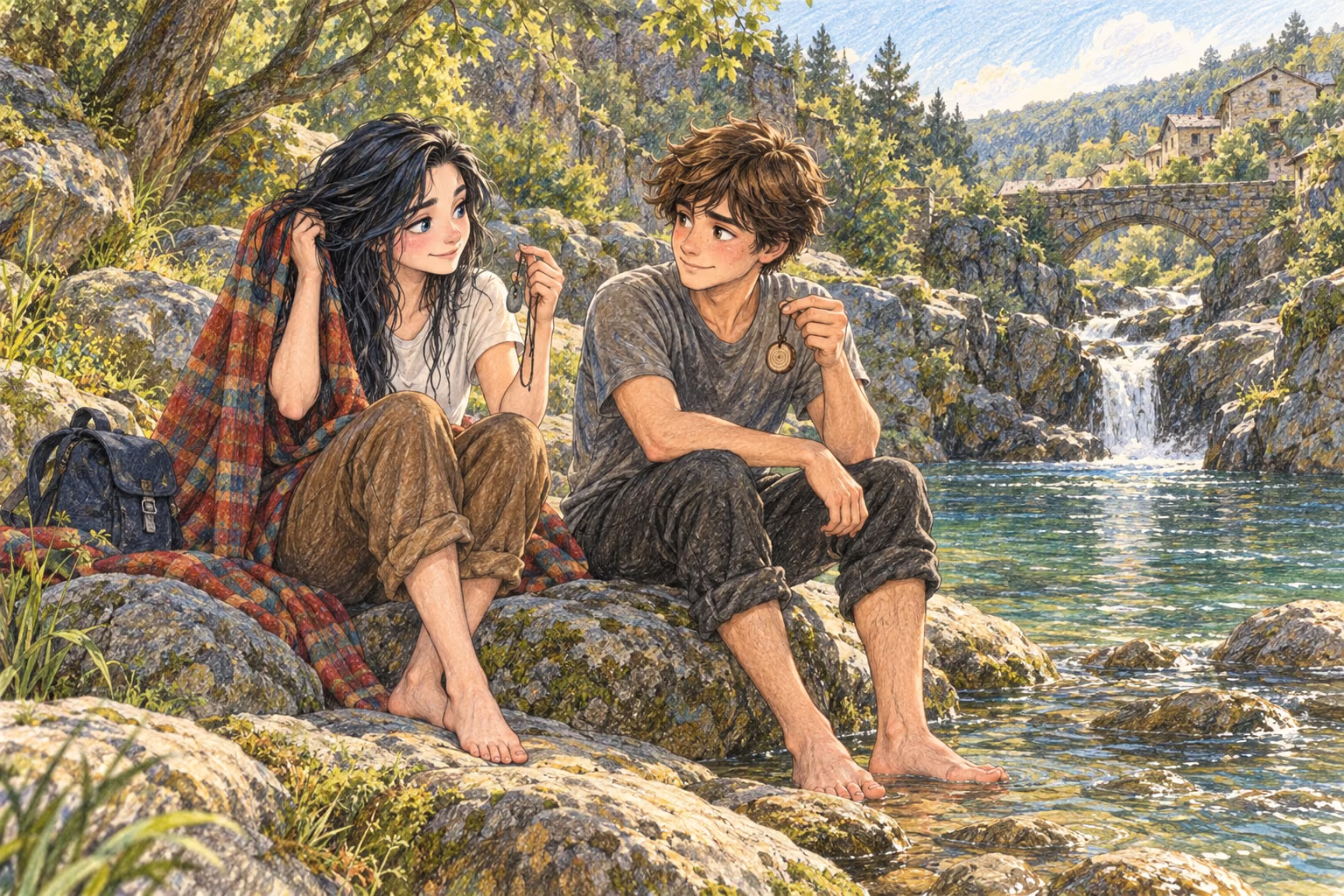
One afternoon they found a still pool of freezing, crystal-clear water and got in to wash. Eva came out first and sat on a rock to dry her hair with the blanket. As Axel climbed out, he saw her looking at something round her neck.
He’d seen her close her hand over it plenty of times, with the officers and on the morning of the theft, but he’d never seen what she was hiding: a small flat grey stone with a hole in it, hanging from a very thin cord that had seen better days.

“What’s that?”
Eva closed her hand over it.
“Nothing.”
“No, seriously.”
“A stone with a hole in it. I found it in a river when I was nine. At a camp. Some kid told me stones with holes bring luck.” She let go and it dropped against her T-shirt. “It’s the only thing I’ve got from before.”
Axel sat down on the next rock, dripping, and pulled his out.
“Look.”
A three-centimetre slice of branch, sanded on both sides, with the rings of the wood showing.
“What’s that?”
“A branch.”
“I can see it’s a branch.”
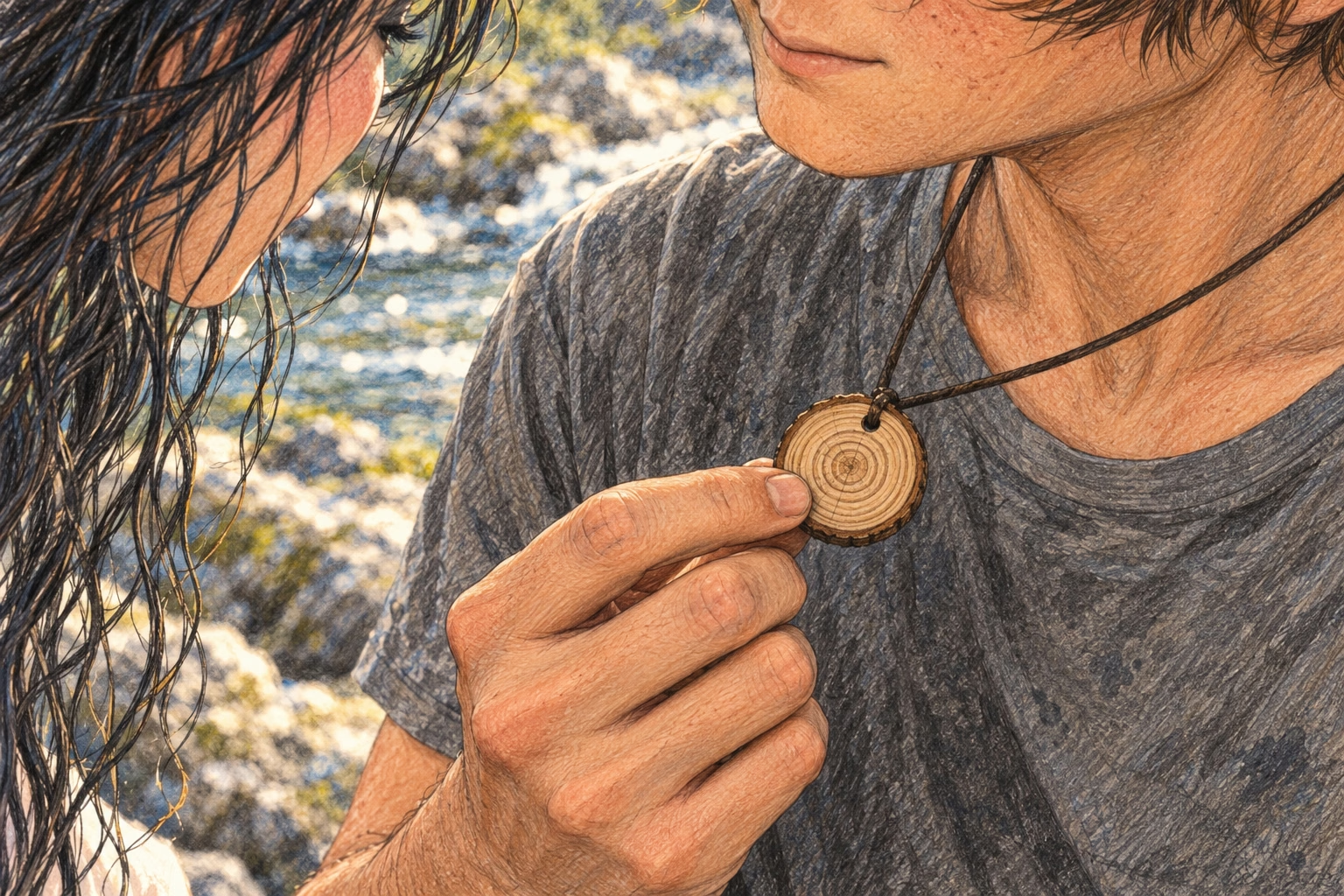
“I cut it myself. At fifteen, in my dad’s workshop. He gave me the branch and a bit of sandpaper and went off to get on with his own stuff. I spent the whole afternoon sanding it.”
“And why a branch?”
“Because it counts the years.”
Eva leaned in to look at it close up, without touching it.
“Eight.”
“Nine. There’s one right up against the edge.”
Neither of them said anything about swapping. They sat there with wet hair, each with their own thing hanging round their neck, until it got dark.
That night Axel insisted on making the fire. It took three attempts, and he had the decency not to give a speech when it caught, though he then spent a good while stirring the pot with a look of satisfaction that said it all.