
Behind My Back
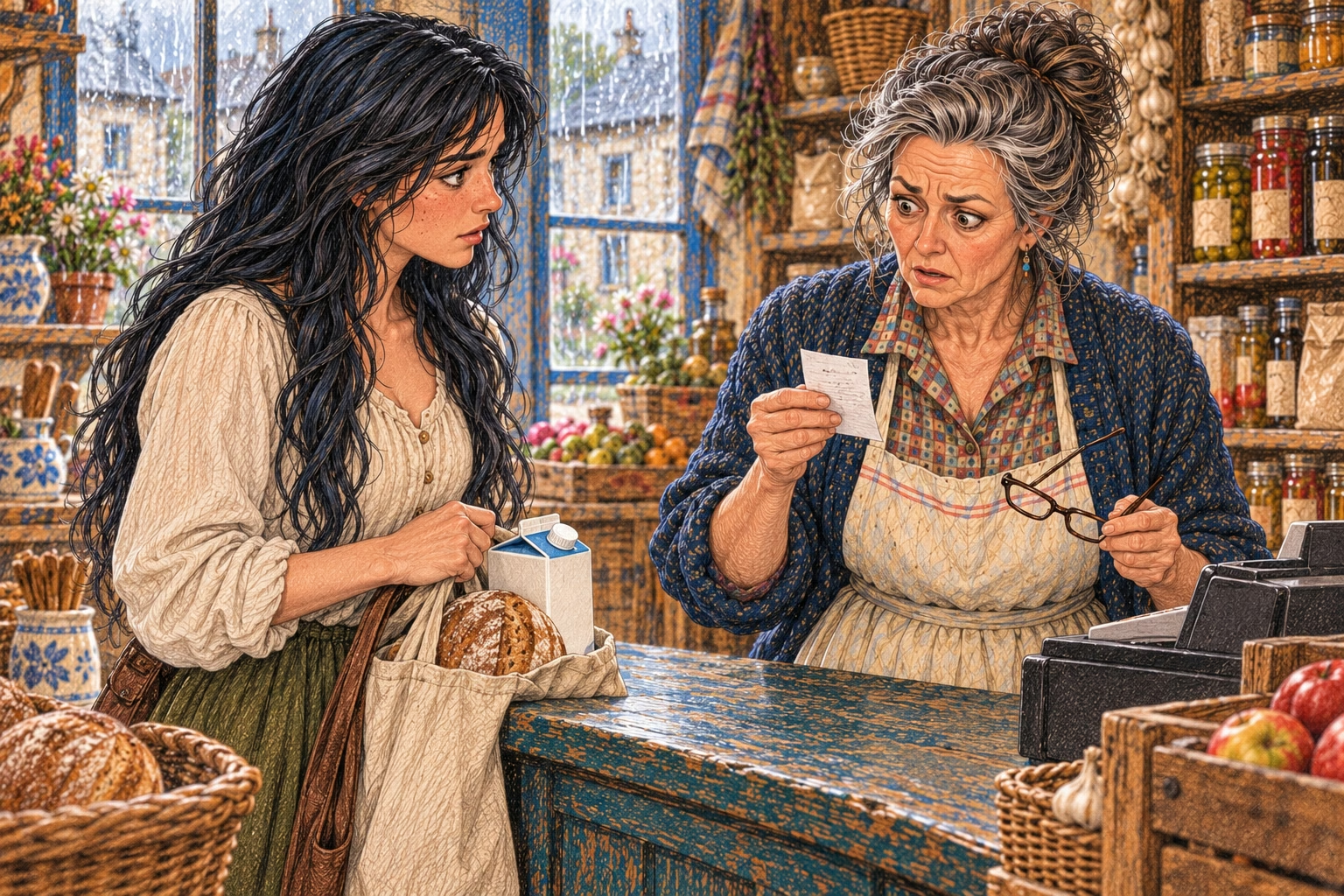
Trini said it while she was ringing up the till
“Oh, by the way. Your sister rang.”
Trini told her while she was ringing it up, without looking up, the way you’d say the gas bottle had come.
It was Wednesday, with the usual drizzle. Eva had gone down for milk and bread in the size thirty-seven boots she saved for when the street turned to mud. They fitted her perfectly, and nobody had told her where they’d come from.
Eva didn’t move.
“What?”
“Your sister. She rang the landline here on Saturday, because up there you only get signal right up against the balcony, and that’s on a good day.” She tore off the receipt. “Lovely girl, isn’t she? We had a good chat. She says maybe you two could pop down here some time and ring her.”
Eva looked at the receipt. The milk and the bread.
“How does she know I’m here?”
Trini looked up. And took off her glasses, which she never took off.
“Oh.”
“How does she know I’m here, Trini?”
“Love, I…”
“Okay.”
She took the milk and the bread and left without paying. Trini came out to the door with the receipt in her hand and didn’t call after her.
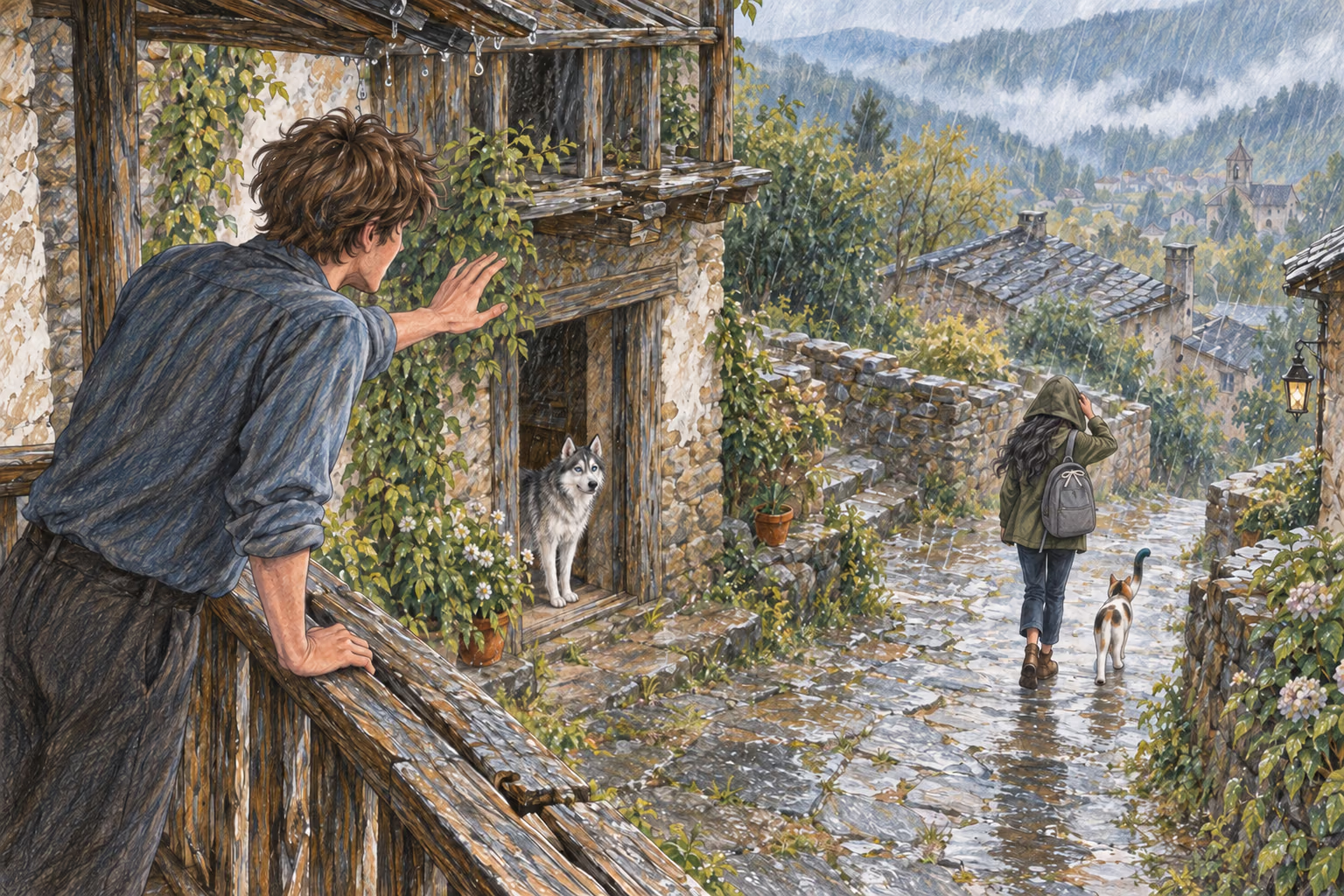
From the balcony, Axel watched her coming back with the bag and the boots, walking at her own pace, in no hurry at all.
“What’s up, love?”
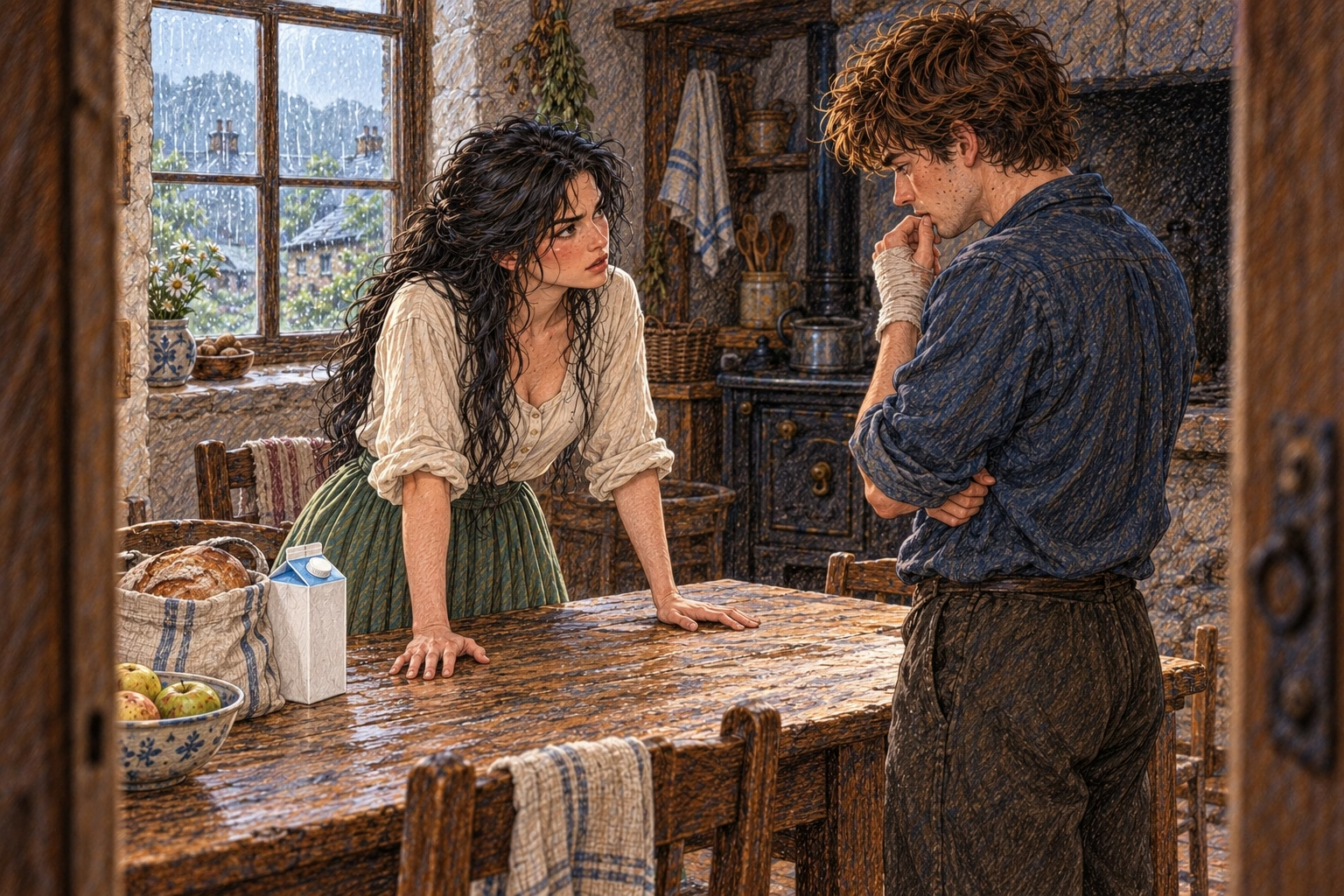
Eva came in without answering him, put the milk and bread on the table and turned to face him.
“Have you been talking to my sister?”
Axel’s mouth went dry.
The worst of it was the half-second he took to answer. He could have said yes, but he wasted it looking for somewhere to begin. One look at his face was enough for Eva.
“Oh. Okay.”
“Eva, wait.”
“No, that’s fine.”
“Let me explain.”
Eva laughed. A very, very short laugh.
“Let me explain,” she repeated. She put both hands flat on the table. “Go on, then. Explain.”
Axel began with Hortensia: Irene had rung her, he’d only wanted to find out what was going on, and he hadn’t told her where they were either.
“She rang Trini’s shop, Axel.”
Half a second again. She saw that too.
“The envelope,” said Eva, very quietly. “The handwriting on the envelope.”
Axel went on because he didn’t know how to stop. He told her he’d heard Irene crying, that she was in pieces. That perhaps they were talking past each other. That he hadn’t decided anything, he’d just been waiting for the right moment to tell her.
Eva lifted her head.
“The right moment?”
“Yeah. I wanted to…”
“You were waiting for the right moment to tell me something that’s mine?”
Axel shut up.
“How long?”
“Eva…”
“How long.”
“Since before the theft.”
Eva stood still, working it out. Axel could almost see the places passing through her mind: the washhouse, the tomatoes, the washing lines, the roof and that envelope. Even her birthday had happened in between.
“Three months,” she said.

“It’s not…”
“Three fucking months.”
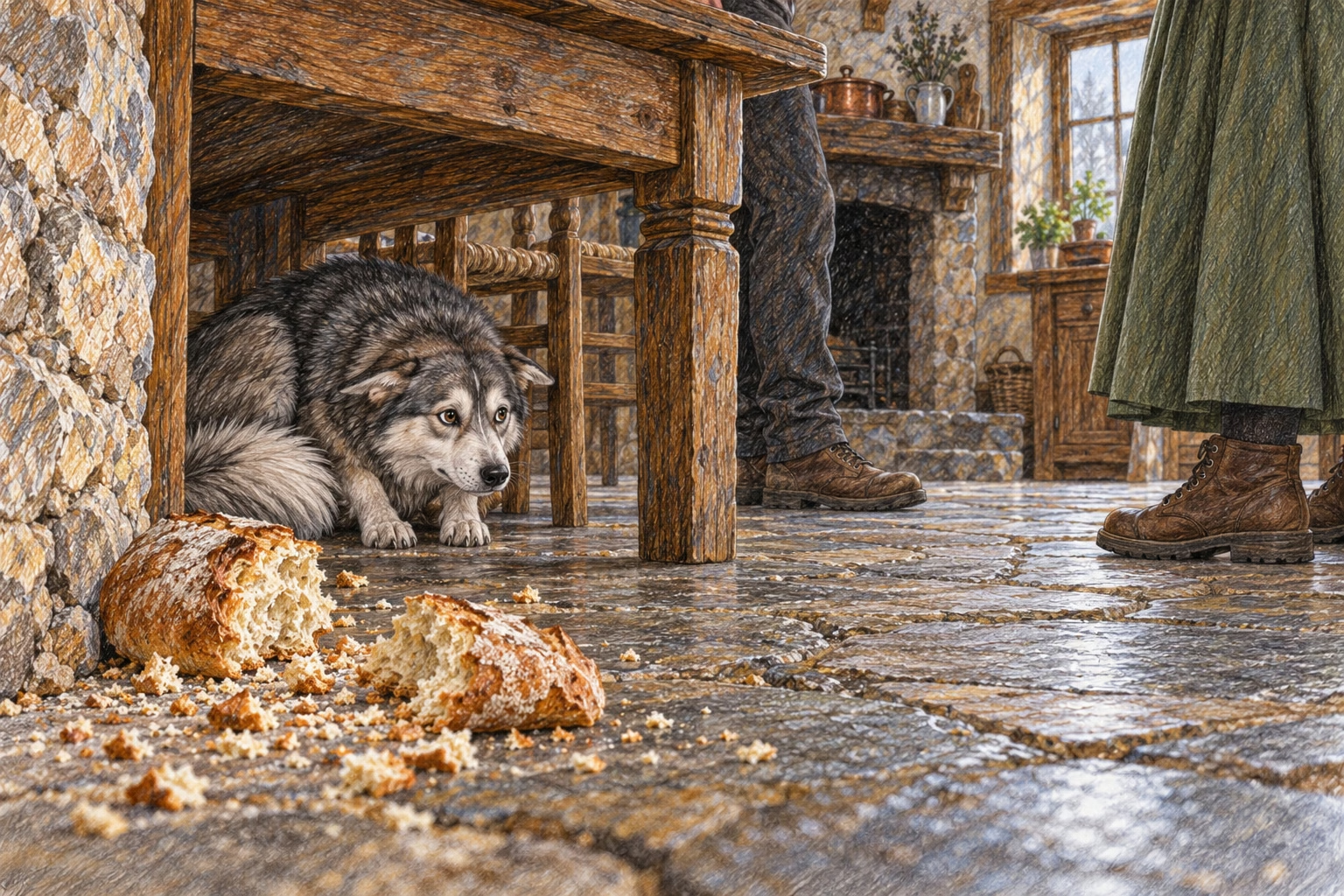
She picked up the baguette and threw it at the wall.
“Three months talking to her behind my back!” And now she really was shouting. “Giving her reports! Like the Guardia Civil! Today Eva’s eating, today Eva’s sleeping, today Eva’s laughing!”
“I only…”
“Don’t you ‘only’ me!”
“Eva, all she wants is…”
“I DON’T CARE WHAT SHE WANTS!”
A huge silence. Kika went under the table.
“I don’t care what she wants,” she said again, quieter. “I don’t care if she cries. I don’t care if it’s been a year or twenty. I don’t owe her that.”
“I never said you owed her it.”
“You did say it. You said it every day you talked to her and didn’t tell me.”
The two of them stood in the kitchen, two metres apart.
“I thought that…”
“I know what you thought.” She wiped her face with the back of her hand, angrily. Her chin was trembling. “And who are you to decide when I’m ready?”
“It’s not that.”
“That’s what it is.”
She pushed her hair off her face.
“Do you know what you’ve done?”
“Eva.”
“You’ve broken my flute.”
Axel stood there looking at her.
“You’ve broken my flute,” said Eva, “and bought me another one.”

And that’s where her voice gave out.
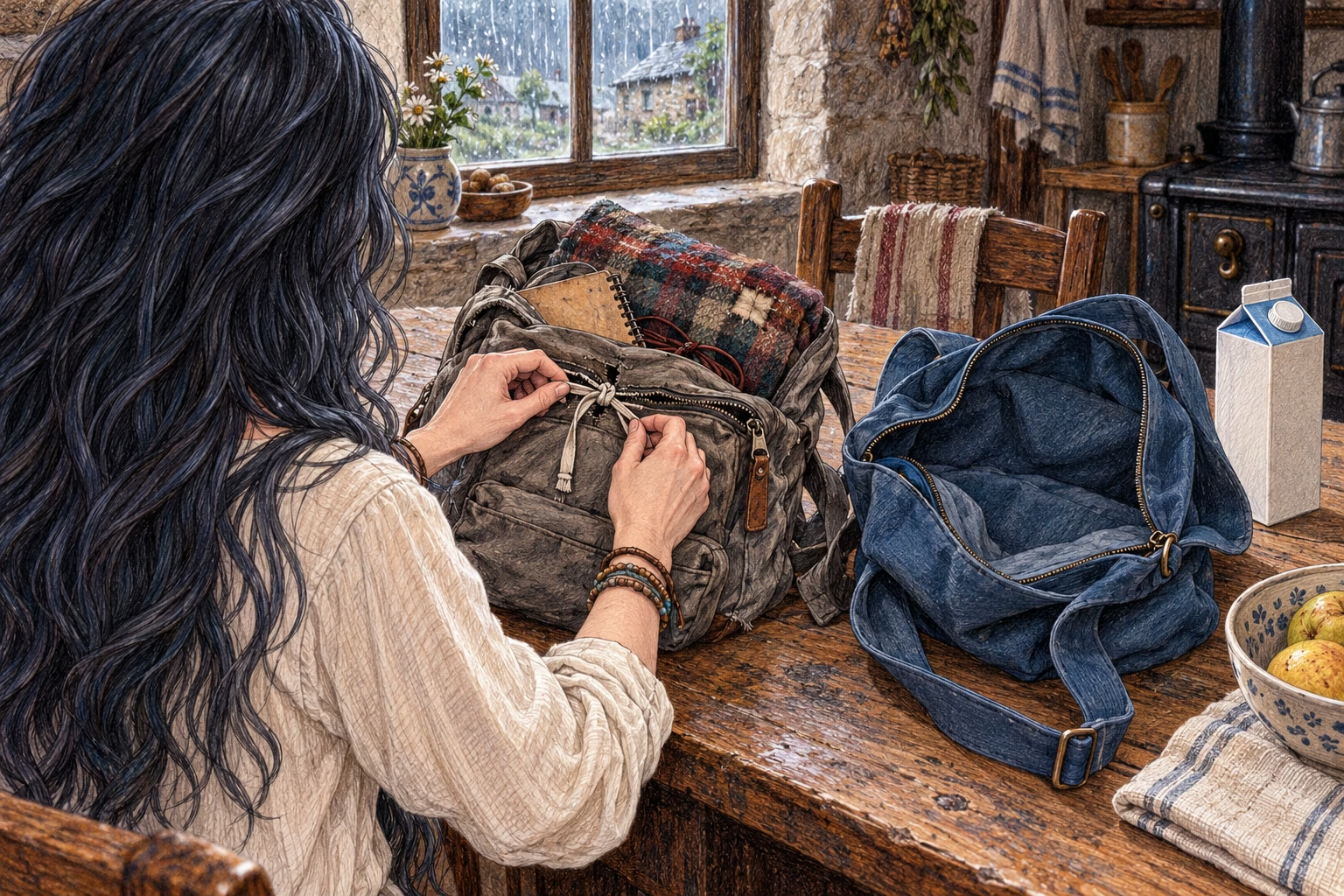
In twenty minutes she had her school backpack ready. She took it out of the blue one, unfolded it and checked the shoelace holding the zip together before packing the plastic sheet, the rope, a change of clothes, the notebook and the checked blanket with its missing corner. The blue bag stayed empty on the table beside the milk.
Axel was in the kitchen doorway and didn’t dare go in.
“Eva, it’ll be dark in two hours.”
“I don’t care.”
“You’ve got nowhere to go.”
Eva stopped. She turned round very slowly.
“I’ve never had anywhere to go. That’s not new. That’s me.” She swung her rucksack on, one shoulder, like always, and pointed her chin at the kitchen, the half-done roof, the table. “This was the new thing.”
And then, with the rucksack already on:
“Give me your phone.”
Axel handed it over without asking.
Eva went out onto the balcony, pressed herself against the railing, which was where there was a bar of signal, and dialled from memory. She talked with her back to him, looking at the street.
“Yes. Tomorrow.” A pause. “No, now. If you leave now you’ll be here by eleven.”
She hung up. She came in and gave him back the phone looking him in the eye. In all that time she hadn’t looked at him once.
“I didn’t want to go,” she said.
She went down the stairs skipping the second step and the fifth.

Axel went onto the balcony and watched her pull up her hood in the fine rain. Fay appeared behind her and pressed close to her feet. Kika stayed in the doorway, looking from one to the other, until Eva set off without the dog making up her mind to follow.
“Eva!”
She didn’t turn round.
“Eva, for fuck’s sake!”
She went down the street and at the bend she was gone.
Axel stayed on the balcony until it got dark.
At eleven he heard the car. It came up the bottom street in first, scraping its underside on the same stones as always. It stopped for a long minute with the engine running. And went back down.
He didn’t look out.
He switched on his head torch as he went into the kitchen. The milk was still unopened beside the blue backpack, and the loaf lay broken on the floor against the wall. The packet of sugar had been left open on the table. Eva never left it like that.