
A Boat
Eight years building a boat two hundred kilometres from the sea
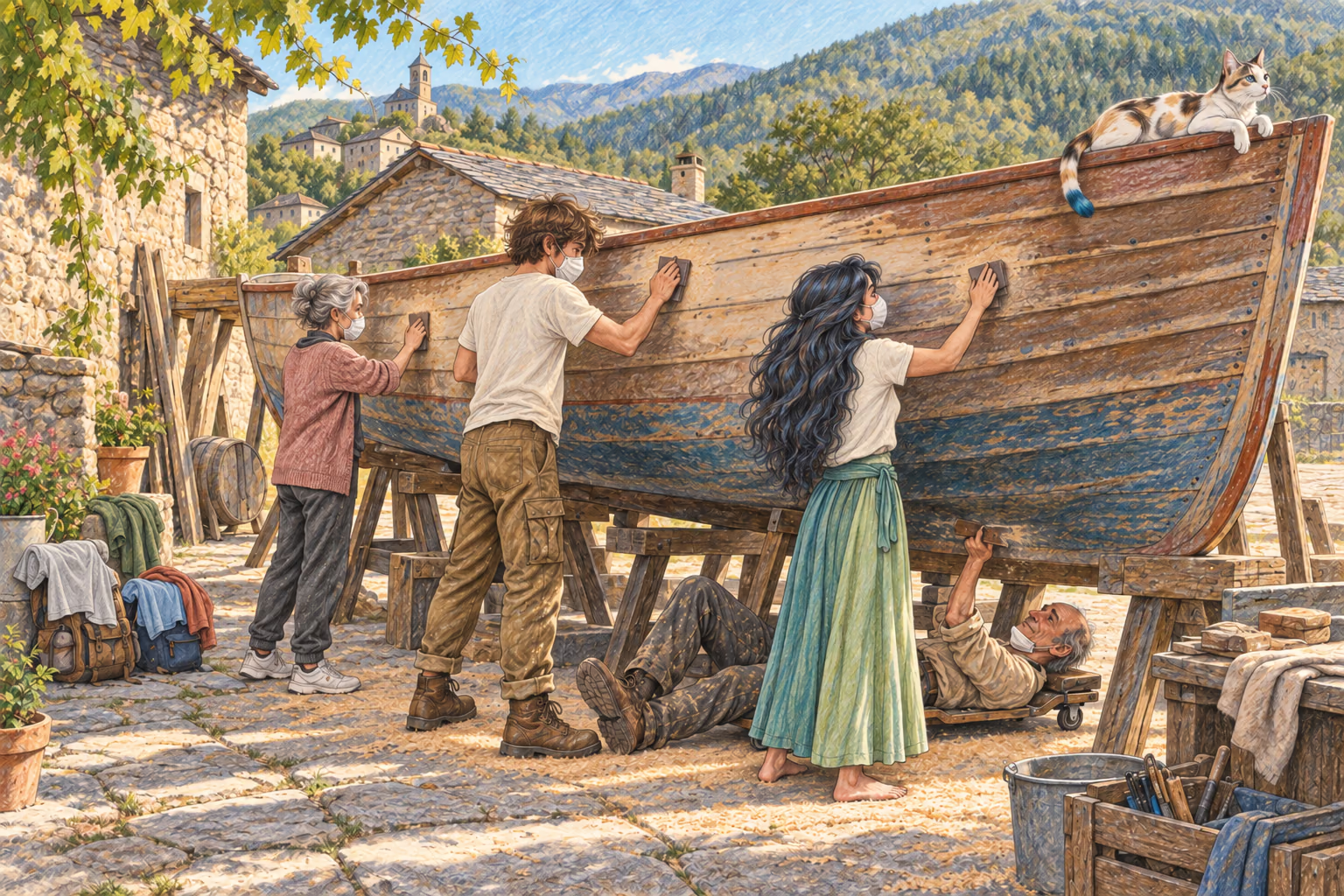
When Axel saw it above the wall, he thought it was a rather odd roof. It had an enormous curve and the colour of new wood, quite unlike any of the houses around it.
They’d had another week of uphill, with the villages further and further apart, washing their T-shirts in rivers with a bar of soap and drying them spread out on top of the rucksacks as they walked.
“What’s that?” said Eva.
They peered through the half-open gate and found eight or nine metres of boat resting on trestles. Here in Valdelagua, two hundred kilometres from the sea. Underneath lay a man on a mechanic’s creeper, sanding the hull.
“Afternoon,” said Axel.
The man pushed himself out from under the boat with his heels and pulled down his mask. He was in his early sixties, rather lean, with sawdust even in his eyebrows.
“Afternoon.”
“Sorry. It’s just…” Axel pointed. “There’s a boat.”
“There is.”
His name was Nardo and he’d been at it for eight years. He told them like someone telling you he’s painting the hall.
“The first thing I made was the keel, and I made it wrong. Because I got cocky. I thought: it’s a long stick, how hard can it be? And it turns out the whole boat comes off that stick, and if it’s got half a centimetre of bend in it everything’s crooked, and you don’t find out for two years. So I cut it up and started again.”
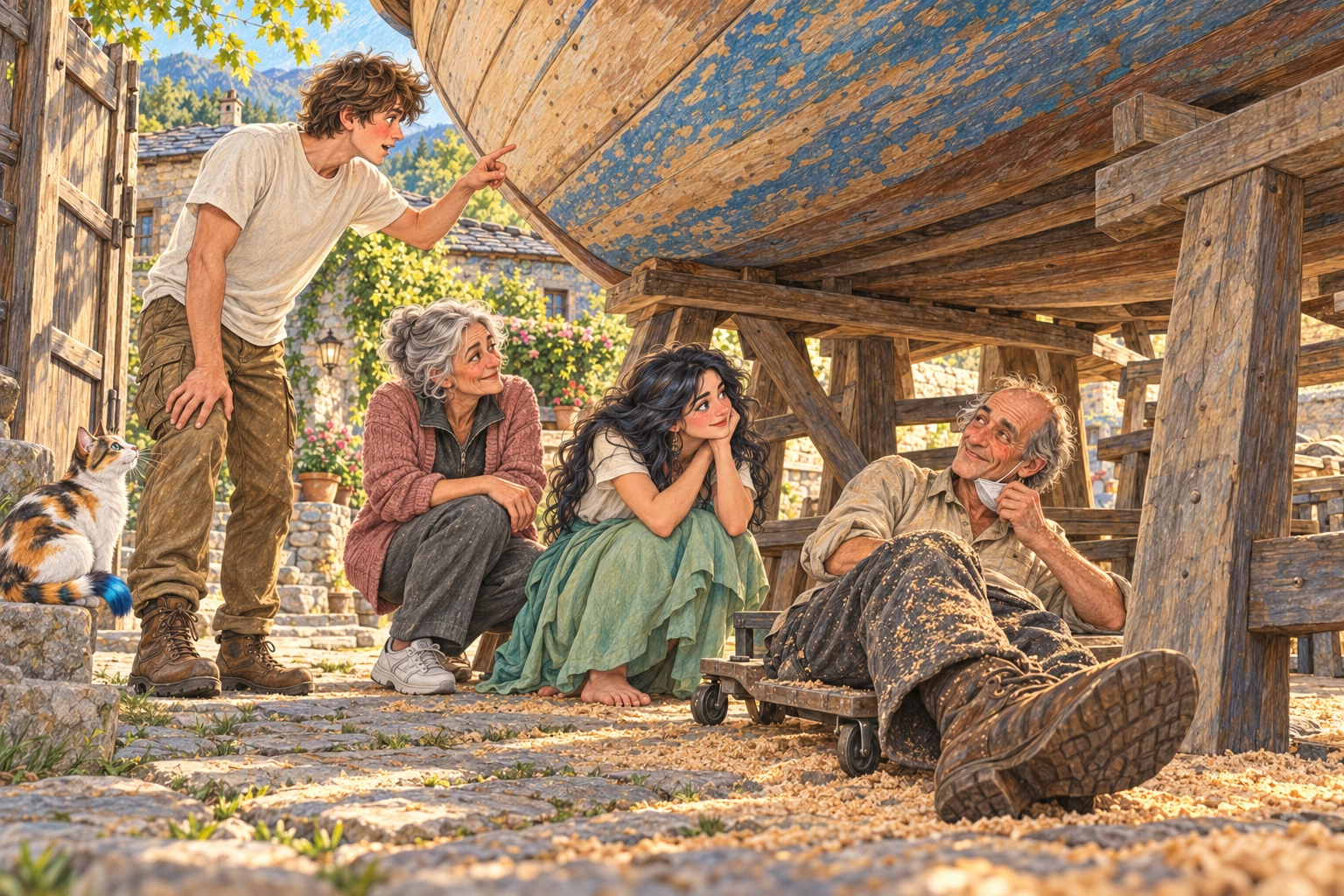
He showed them the boat’s oak ribs and a bucket of copper nails he’d had to order from elsewhere because nobody made them locally any more. Then he knocked twice on the hull with his knuckles and listened, pleased with the solid sound.
“That’s not going anywhere. That’s for good, that is.”
Hortensia was walking round it with her hands behind her back, looking up, like a building inspector.
“And how are you getting it out of here, love?”
Axel braced himself.
Nardo scratched the back of his neck.
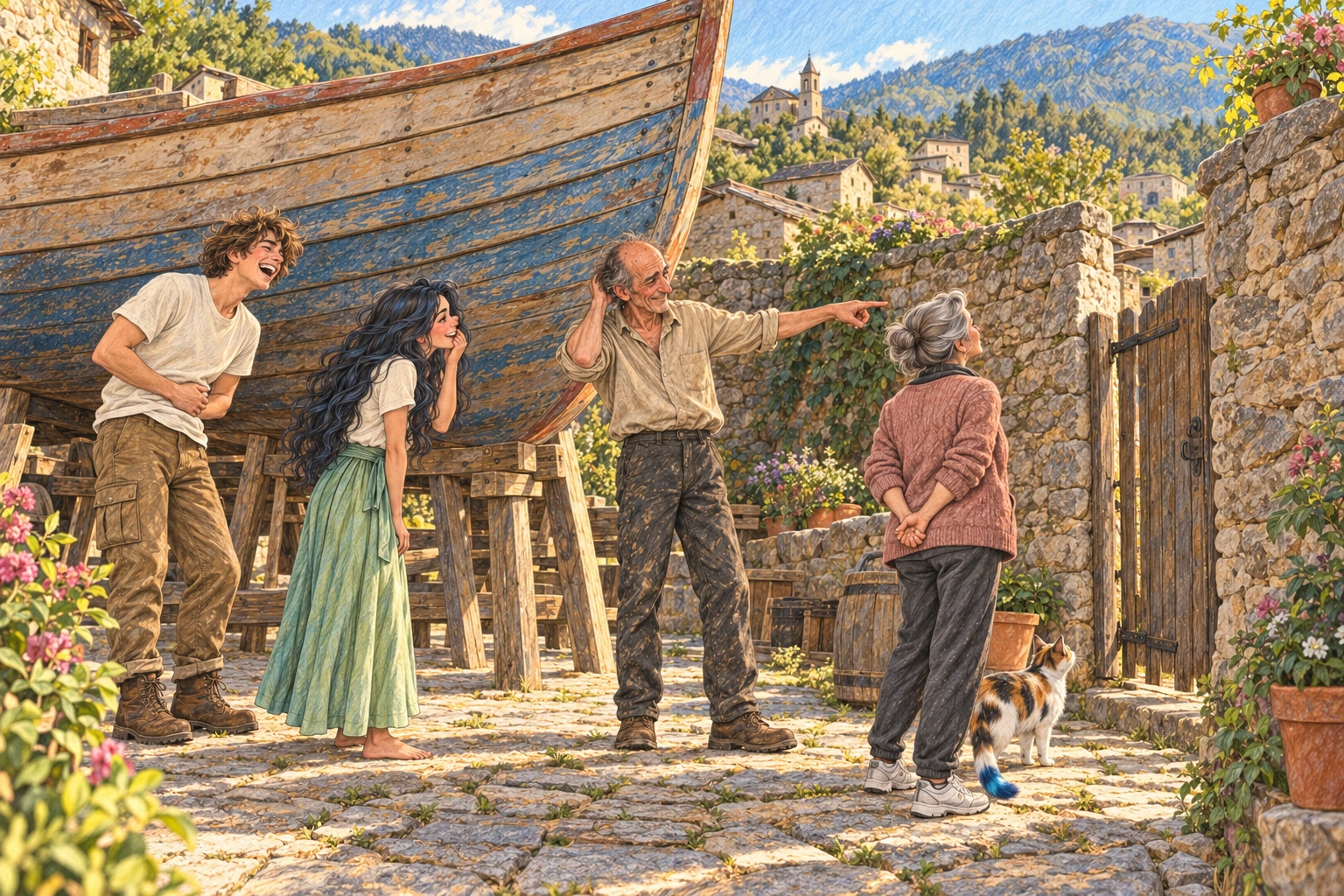
“Through the wall.”
“What do you mean, through the wall?”
“I knock the wall down. It’s mine. I knock twenty metres down, the crane comes in, I put it on a lorry and off up north. Then I build it back up, that’s two days.”
“Seriously?” said Hortensia.
“Course, love. What other way is there?”
Axel burst out laughing, and not to be polite.
“And when are you putting it in the water?”
“When it’s done.” He picked the sander back up. “A good year yet. Two, depending on the engine.”
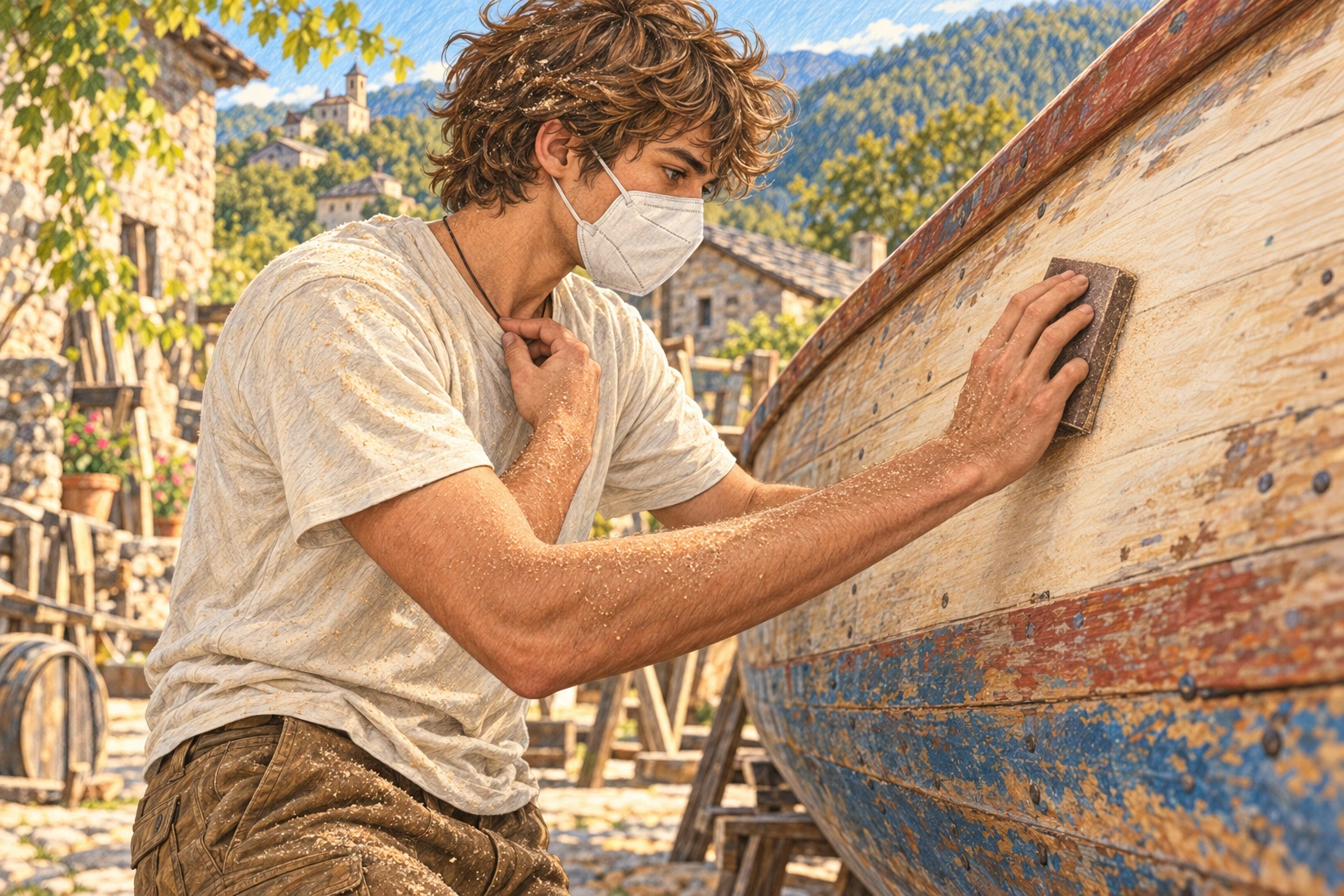
They stayed all afternoon. Nardo said “if you get bored, there’s sandpaper over there”, and ten minutes later the three of them were sanding the side, each one on their own square, masks on and their hair white with dust.
Fay went up Nardo’s ladder, lay down on the bow and didn’t come down till dinner.
“He’s on board, that one,” said Nardo, without looking.
“You sand like you’re saying sorry to it,” Eva told Axel, from her square.
“Well, it’s not mine, is it.”
“Push a bit harder, go on, it’s not going to grass you up.”
Axel didn’t push.
He thought of his dad in the workshop, with the same sawdust in his eyebrows, and of himself at twelve sitting on a crate getting under his feet. And of one afternoon when his dad put a chisel in his hand and told him “don’t push, let it do the cutting”. The only lesson he ever gave him in his life.
Axel liked sanding.
He put his hand to his neck without thinking, under his T-shirt, and touched the cord. What hung from it he’d sanded himself too, in that workshop, one whole afternoon.
They had dinner in the yard, under the boat. Nardo brought out a folding table, some pork steaks and a big jug of wine from the co-operative.
Over dinner, Hortensia took the chance to ask the question she’d been holding back for quite a while.
“Here, Nardo. Why a boat?”
Axel put his fork down to hear the answer. He was expecting some extraordinary story to explain the boat.
Nardo looked at his wine.
“Dunno, really.”
“You don’t know?”
“No. One day I saw a wooden one in a harbour and I thought ‘that’s lovely’. And then I thought ‘well, you can make one of those’. And that’s it.”
“And that’s it?”
“That’s it. Everybody asks me why, you know. And at first I used to make something up, because people were left hanging if you told them there wasn’t a reason. I used to say my grandfather was a fisherman. My grandfather was a postman.” He laughed with his mouth shut. “If you fancy it, that’s enough, isn’t it?”
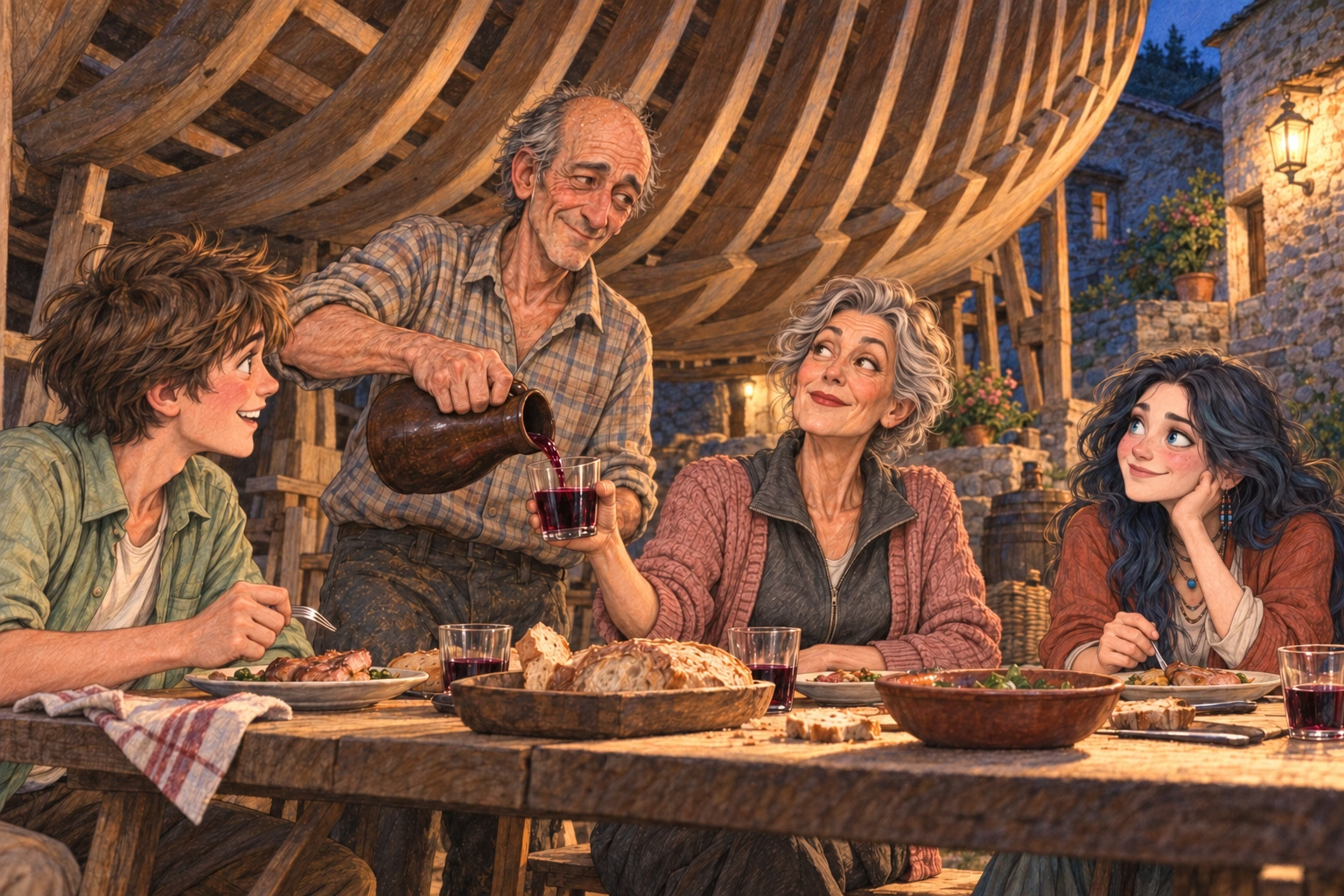
“Good enough for me,” said Hortensia, and pushed her glass over.
Nardo filled it and started talking about oak.
They slept under the hull without putting up the tent. Axel lay looking at that wooden belly for a while, thinking of the eight years Nardo had spent working on it. When he turned towards Eva, she was awake too, looking at the same thing.
“Would you get on it?” she said.
“That one?”
“When he puts it in the water.”
Axel thought about it.
“Yeah.”
“Me too.”
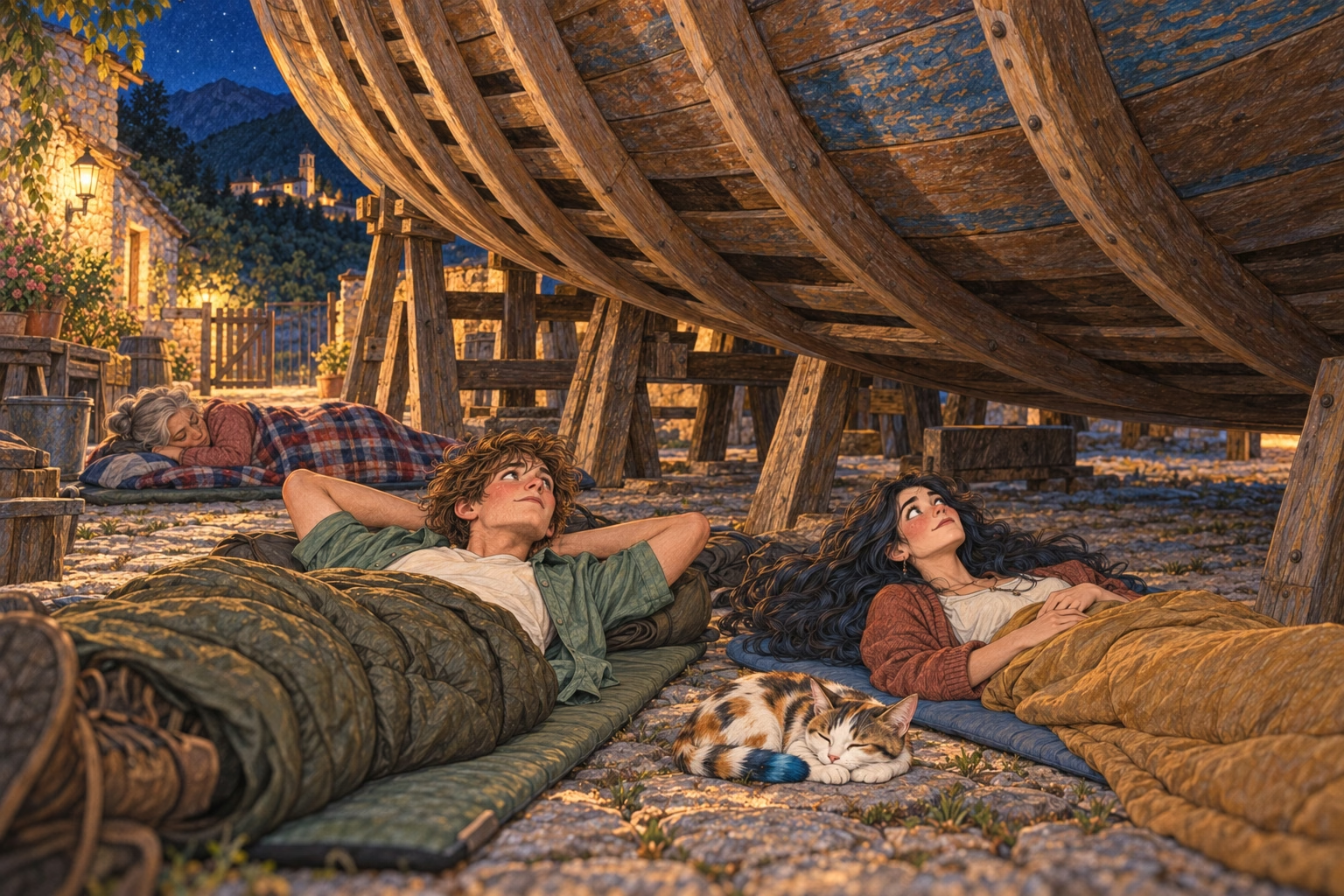
And she turned over before he could answer.
In the morning, when they left, Nardo was already under the hull with his mask on. He raised a hand without coming out from under.
He didn’t ask where they were going.
Hortensia asked something else. On the way out of the village, without turning round:
“How far can you get in a day if you keep up a good pace?”
“Twenty kilometres,” said Axel. “Twenty-five if you don’t stop for lunch.”
“I stop for lunch.”
She carried on uphill, moving her lips as she did some calculation she kept to herself. Axel had the feeling she was working out how to reach somewhere in particular.