
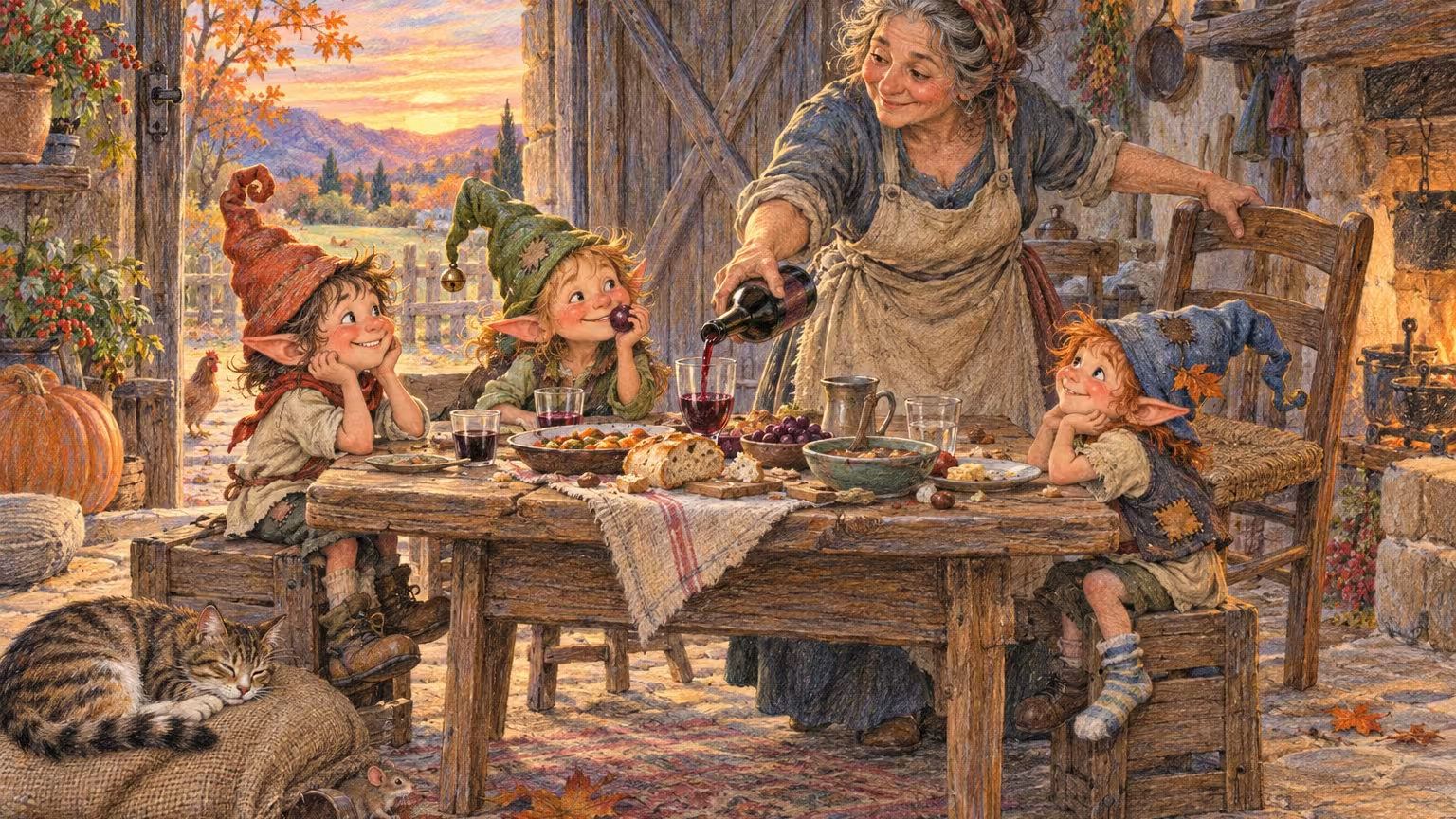
We volunteered for the grape harvest thinking we'd snip a few bunches, eat rather more than we picked and spend the afternoon in the shade. Twenty minutes later, our backs hurt. One of us had a grape stuck to his backside. Another wanted to know whether working the land could be done lying down. The winemaker handed us an empty crate. That answered that.
Then we spotted the sort of bottle advertised for €3,000 and forgot our aching backs. At that price, did the wine also sort out your tax return? We laughed, but the question behind the joke stuck. Between the bunch we'd just picked and the wine in a glass, an awful lot happened that we couldn't explain.
So we returned to the cellar. Then we kept coming back over the following months, because wine doesn't finish itself between lunch and a nap. This is how a group of nosy woodland brownies learned to respect fermentation, question a price tag and stop confusing a lovely bottle with an opportunity to sound important.
The Bottle Is the Last Part of the Story
Out in the vineyard, we were invited to taste the grapes. Finally, a task that suited our qualifications. The vine makes sugars through photosynthesis and stores them in the ripening fruit. Acidity, aromas and skins change as the berries develop. Grape variety, the season's weather and how the vineyard has been cared for all shape what arrives at the winery.
Sweeter grapes aren't automatically better grapes for every wine. Wait too long and you may lose the freshness you wanted. Pick too early and the fruit may lack the ripeness you need. Winemakers taste and measure sugar, acidity and pH. Acidity and pH are related, but they aren't interchangeable measurements. The aim is to choose the right fruit for the wine being made. We'd brought a calendar. The vines hadn't consulted it.
Healthy bunches need to reach the winery without getting unnecessarily hot or squashed. Unwanted material gets sorted out, and cleanliness matters. Hand picking allows selection in the vineyard, but well-managed machine harvesting can also produce excellent results. Looking delightfully rustic in a photograph isn't a quality-control method.
We Opened a Grape and Had to Rethink Everything
Our dark grape had pale flesh. We'd vaguely imagined a tiny pouch of red wine. Most dark grape varieties keep their colour mainly in the skin, in pigments called anthocyanins. There are exceptions, known as teinturier grapes, with coloured flesh too. Ours wasn't one of them.
The flesh supplies water, sugars and acids. Skins contribute colour, aroma compounds and some tannins. Seeds contain tannins too. The stalk holds the bunch together. Tannins can create that drying, gripping feeling on your gums, whereas acidity tends to make your mouth water. Those sensations aren't two fancy names for the same thing.
Destemming separates berries from stalks, although some wines use whole bunches. Crushing gently breaks the berries to release their juice. Pressing squeezes liquid out of the solid material. Three different jobs. Nobody was asking us to grind the seeds to dust and hope for the best.
The Skins Have a Great Deal to Say
A typical red wine ferments with its skins. Contact between the liquid and solids, called maceration, extracts colour, tannins and other compounds. Maceration and fermentation often happen together, but they aren't the same process. One extracts substances. The other transforms sugar.
Many white wines are pressed first, then the separated juice ferments without the skins. Certain dark-skinned grapes can therefore make pale wine if their colour isn't extracted. Rosé usually involves shorter contact with dark skins, or gentle direct pressing. Orange or amber wines come from white grapes given skin contact. There are no oranges involved. We put the juicer away. WSET explains how skins affect wine colour.
There are other approaches, including blending methods for some rosés. The useful thing to remember is that a grape's appearance doesn't decide the whole story. Cellar choices matter too.
How Does Grape Juice Turn Into Wine?
Yeasts convert sugars in grape juice into alcohol, mainly ethanol, and carbon dioxide. Fermentation also releases heat and creates compounds that affect aroma and flavour. Winemakers control the conditions so the yeasts can work properly. The alcohol in an ordinary still wine is made during fermentation, rather than poured in afterwards.
Yeasts are microscopic fungi. Some arrive with the grapes or live in the winery, while selected cultures can be added for a more predictable fermentation. Saccharomyces cerevisiae is a major player. We called it Saccy. If something that small was doing most of the work, learning its name seemed the least we could do.
A spontaneous fermentation still needs attention. Calling it natural doesn't mean wandering off and leaving the tank to its own devices. Yeasts need suitable conditions and nutrients, including usable nitrogen. A shortage, excessive heat or increasing alcohol can make fermentation struggle. UC Davis explains the microbial process. Our main contribution was asking who brought the yeasts their packed lunch.
A dry wine contains little residual sugar. It can smell of peaches or ripe fruit without tasting sweet. Aromas that remind you of sweetness and actual sugar are different things. Sweet wines retain or acquire more residual sugar through deliberate winemaking choices. An accidentally stuck fermentation isn't a reliable dessert-wine recipe.
The Tank Was Bubbling. We Wanted to Stir It
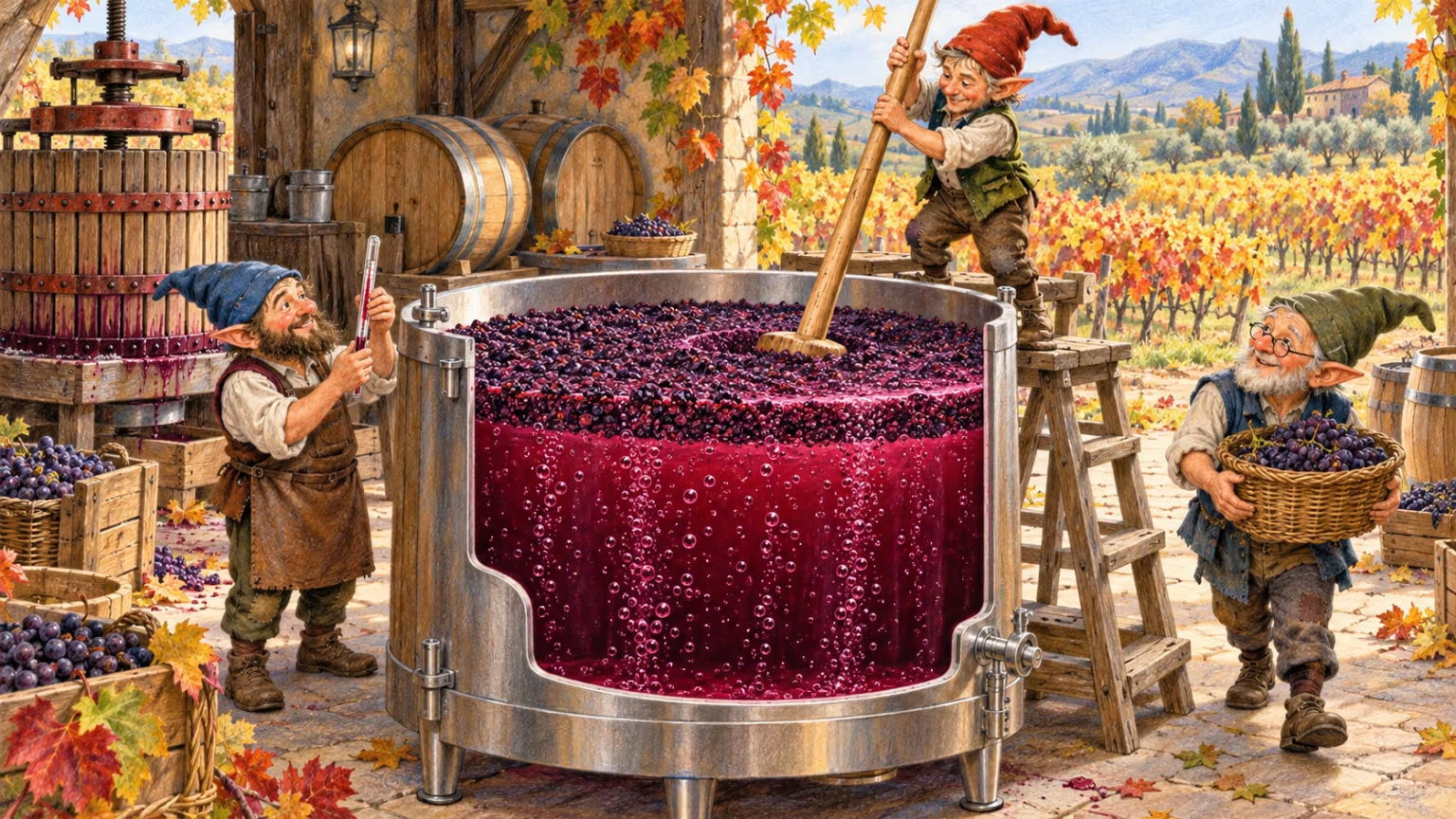
It looked as though the juice was boiling. It wasn't. Those bubbles largely came from fermentation gas. The yeasts were also generating heat, so temperature needed watching. Cooler fermentations can help retain certain aromas, while other conditions may suit the extraction wanted in a red. There is no single magic temperature for every grape and style.
Gas pushed the red grape skins upwards into a floating cap. At last, a cellar term that felt familiar to a brownie in a pointed hat. A punch-down pushes that layer back into the liquid. A pump-over brings liquid from below up over the cap. Both manage contact with the skins. How often and how vigorously they're done affects extraction. More effort doesn't automatically mean better wine.
We stayed outside the tank. Carbon dioxide can build up and displace oxygen in poorly ventilated cellars, without a warning smell. Sticking your head into a fermenting vessel for a laugh is a thoroughly rotten idea, however charming the vineyard looks from the doorway.
Young Wine, Followed by Another Tiny Workforce
When the desired extraction has been reached, the wine is separated from the skins. For many reds that happens around the end of alcoholic fermentation, though timing varies. Free-run wine drains away first, then the remaining solids are pressed. Press wine can bring more structure and astringency. The winemaker tastes it and decides whether, and how much, to blend back. Squeezing hardest isn't the objective.
Many reds and some whites undergo malolactic fermentation. Bacteria turn malic acid into lactic acid and CO₂, changing acidity and sometimes aromas. The AWRI explains the process.
Malic acid is associated with the sharpness of green apples. The change can make wine feel less sharp. Nobody has added milk, and producing more alcohol isn't its main purpose. It may follow alcoholic fermentation or overlap with it. Winemakers can also prevent it when a different style is wanted. This isn't a compulsory staircase that every wine climbs.
Respect the Barrel. Don't Expect Miracles
On another visit, we asked why some wines rested in steel and others in oak. Stainless steel holds wine without contributing wood flavours. Oak can add vanilla, spice or toasted notes, while ageing involves slow exchanges with oxygen. Barrel size, age, wood and toast all matter. A new barrel behaves differently from one that's already seen years of use.
Aromas, colour and the feel of tannins change over time. But adding more months doesn't improve every wine indefinitely. Some benefit from ageing. Others are lovely young. Expecting oak to rescue poor grapes is asking rather a lot of a tree. If the wine tastes more like a plank than fruit, perhaps the barrel has been allowed to dominate.
We also met the lees, sediment that includes inactive yeast cells. Some wines stay in contact with fine lees, which may be stirred to influence texture. Not everything on the bottom is rubbish, and not everything should stay there. It takes tasting and judgement. By our third visit, we'd become much less confident about offering unsolicited advice.
There's Still Work to Do Before the Cork
Wine may be racked, moved into another vessel to leave sediment behind. Depending on its needs, it can also be fined, filtered or stabilised to reduce later problems with haze, crystals or microbial activity. These are different operations, rather than a general attempt to wash the character out. The AWRI sets out pre-bottling checks.
Sulfites help protect wine against oxidation and certain microorganisms. They need thoughtful use, and their presence doesn't prove poor winemaking. Fermentation itself can produce small amounts, so no added sulfites doesn't necessarily mean none at all.
Bottling involves care with hygiene, oxygen and the closure. A screw cap doesn't make a wine bad, and a cork doesn't make it magnificent. Plenty of bottles are intended to be enjoyed young. The one you've left beside the oven for years isn't acquiring wisdom. It's getting hot.
Tasting Without Writing a Dissertation
At the table, we smelled the wine and took a small sip. Did it make our mouths water? Did it grip our gums? Did the alcohol stick out? Did pleasant flavours linger? Good winemaking can produce balance, clear aromas and an enjoyable finish. Those are qualities worth describing and comparing. Personal preference still gets a seat at the table.
One of us announced notes of an old library after a family argument. We passed him the bread. If you notice cherries, say cherries. If you can't name the aroma, that's fine too. Tasting should help you pay attention, rather than reward faff. Serving temperature, food and the condition of the bottle can all change the experience.
Is a €3,000 Wine Better Than a €5 Wine?
The price alone can't tell you. An expensive wine may offer exceptional craftsmanship, complexity or ageing potential. But scarcity, reputation, provenance and collecting also affect prices. A €5 wine can be well made and more enjoyable to you. A six-hundredfold price increase doesn't establish a six-hundredfold increase in pleasure.
Real costs include farming steep land, selecting grapes, losing part of a harvest, paying people, buying barrels and waiting years to sell. Skill deserves respect. Large, efficient producers can also make sound, straightforward wine cheaply. Neither price tag settles the argument about care or honesty.
At collector prices, a sought-after vintage with very few bottles left may attract buyers worldwide. That can explain what someone pays. It doesn't tell your tongue what to enjoy. Comparing two actual bottles requires tasting them, considering their condition and deciding what you mean by better.
We Covered the Labels. The Experts Got Quieter
Across 6,175 blind ratings, untrained tasters didn't prefer expensive wines on average. Trained tasters differed. Bottles ranged from $1.65 to $150, not €3,000.
Plassmann and colleagues found that presenting the same wine with a higher price could increase reported enjoyment. Expectations can affect the experience.
Neither finding makes all wines identical or people who enjoy expensive bottles foolish. A wine's qualities and someone's enjoyment are related questions, but they aren't the same question. Even experienced tasters come equipped with a human brain.
Our own little tasting involved covered bottles, similar glasses and the same serving temperature. Everyone gave an opinion before the labels were revealed. Small pours, water and food kept it a tasting rather than a contest. We disagreed happily. Our loudest expert ended up defending the glass he'd previously dismissed. We laughed together. A palate that changes its mind is still in working order.
The Best Wine Arrived When Someone Pulled Up a Chair
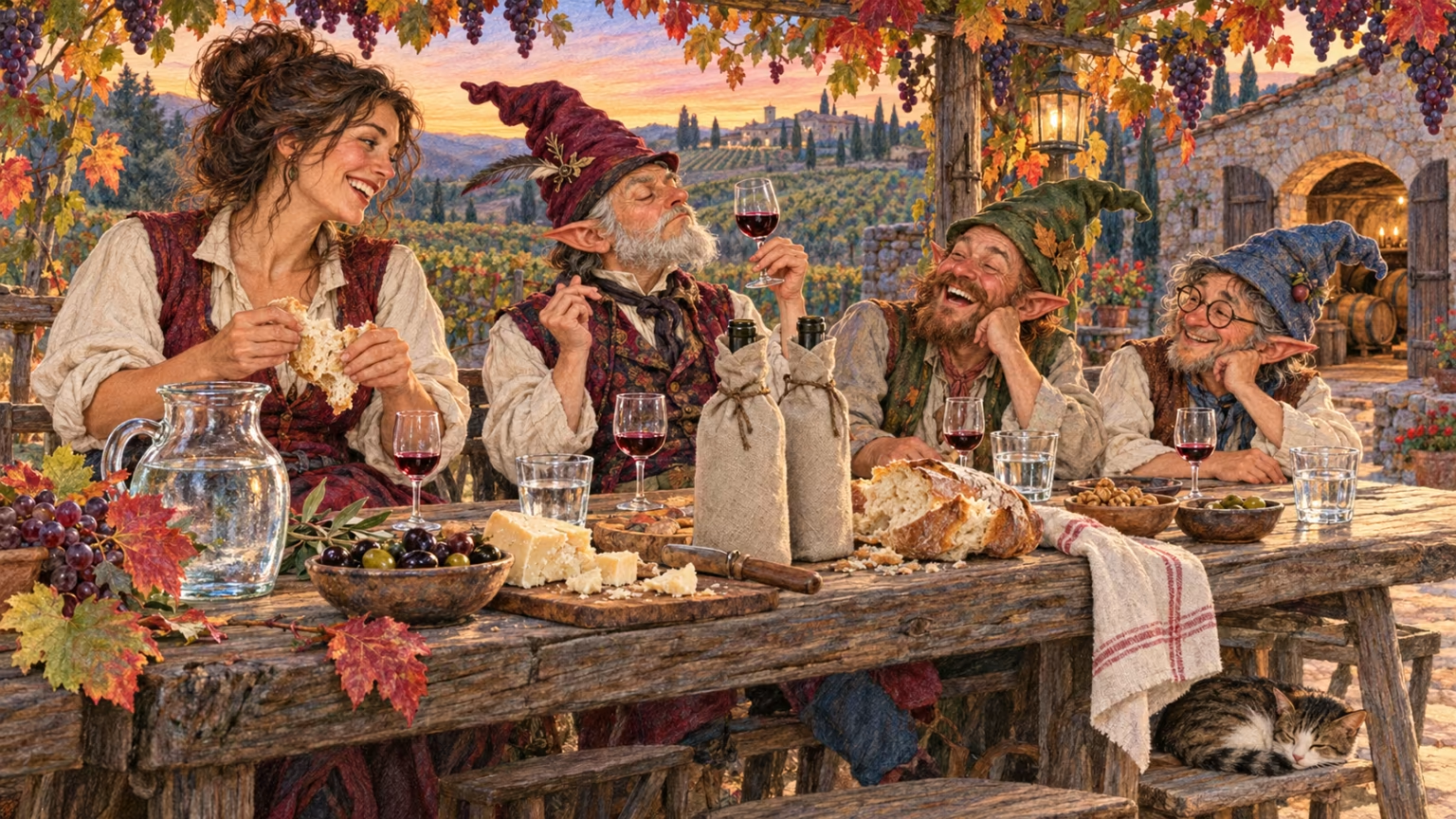
After months of asking about skins, yeasts and barrels, we could see the work behind the wine. Knowing its story added something to the glass. Understanding how things are made can deepen the pleasure, just as it does when we talk about everything that goes into a good meal.
Yet the moment we took home happened when someone said, “Stay for dinner,” and found another chair. The wine hadn't changed. The evening had suddenly grown.
When we say the best wine is the one you share with good company, that's what matters to us. Wonderful bottles exist, and we hope people enjoy them. At our table, though, being with people we felt at home with mattered more than winning an argument about a label.
Anyone choosing water, grape juice or an alcohol-free drink got exactly the same welcome. Good company isn't measured by what's in your glass. You recognise it when nobody's in a hurry for you to leave.