
Arabica vs Robusta: why one smells like a gentle caress and the other gives you a proper shove
ScienceThis morning before breakfast we sniffed two coffee jars and something very scientific happened: one smelled like “mmm, that’s lovely” and the other was more like “whoa, this wakes up even my middle name”.
That’s where arabica and robusta beans come in, two species (okay, two whole universes) that land in your cup with very different personalities. It’s not barista posing, it’s biology, chemistry, and a tiny bit of plant survival mode.
What does it mean when a coffee is arabica or robusta?
They’re two plant species: Coffea arabica and Coffea canephora (robusta). Picture two cousins: arabica is the refined, delicate one, it usually does best up in the heights with steadier temperatures. Robusta is tougher to mess with, it handles heat and some pests way better. That lifestyle shows up later in the bean.
Why does robusta usually have more caffeine?
Caffeine, besides putting you on full power, is a natural pesticide for the plant. It’s like the little coffee plant going, “bite me and I’ll ruin your afternoon”. Robusta, which often lives with more bug pressure and rougher conditions, tends to pack more caffeine than arabica.
Why does arabica often taste more aromatic and less bitter?
Here the bean’s chemistry is the boss: arabica usually has more aromatic compounds and, in general, less caffeine and less “astringency”. Robusta often brings more bitterness and a more “earthy” or “dark cocoa” body, which is why it’s used a lot in blends to add punch and crema in espresso. It’s like choosing music: arabica is pretty acoustic, robusta is drums that mean business.
Is arabica coffee better than robusta?
There’s no Coffee Court. It depends on what you want: if you’re chasing floral, fruity, or soft chocolatey aromas, arabica usually hits the spot. If you want strength, crema, and a coffee that lifts even your thoughts off the couch, robusta has its place. And then there’s the roast, the grind, and the brewer, which are like the bean’s “final hairstyle”.
Magikitos translation and interpretation: there are arabica days (soft, chatty, blanket vibes) and robusta days (get-it-done, push-forward, “come on then”). Today, don’t judge yourself by your energy. Ask what kind of cup your body needs and let it have the treat.
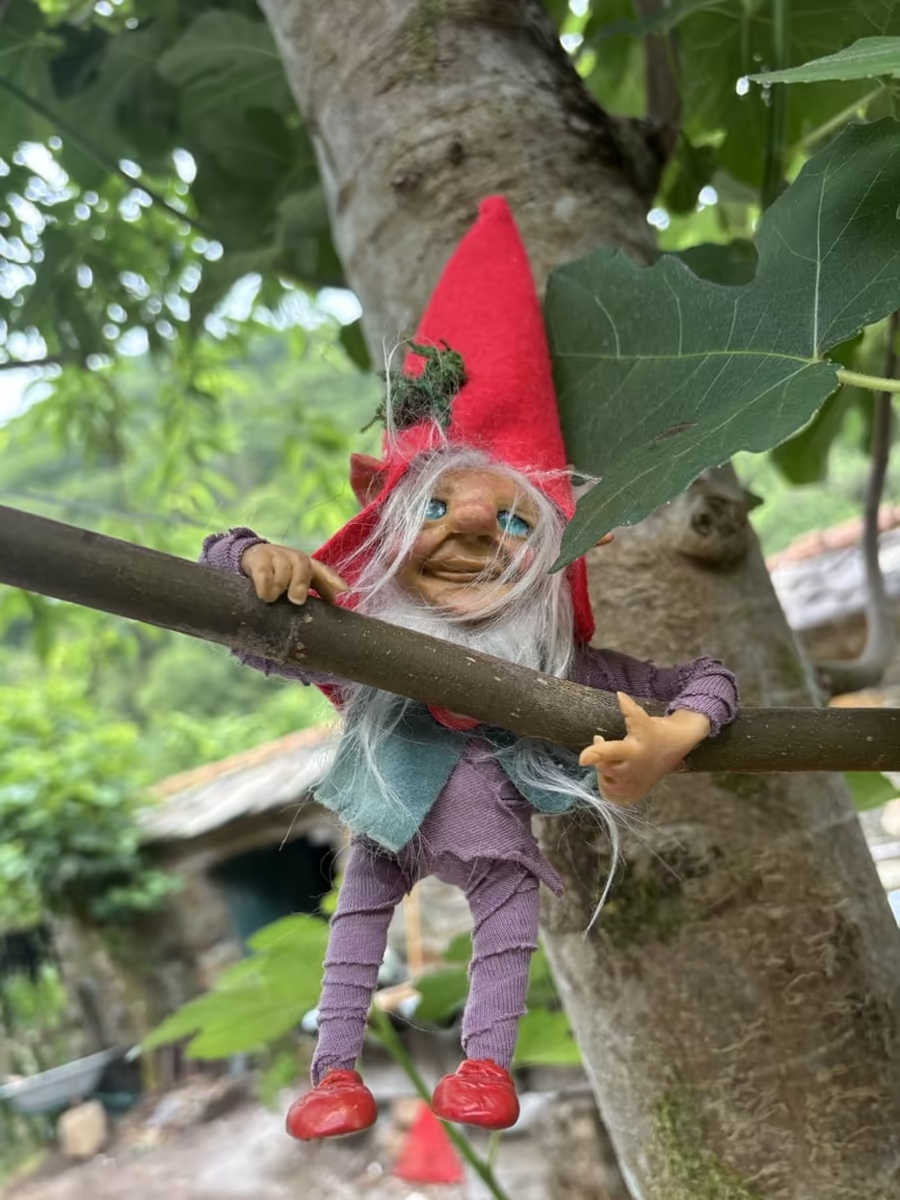
From the tasting El cafelito está hecho