
Eggs in Living Color
ScienceThe first time we spotted a blue egg in the coop, we froze the way you freeze when you see someone rocking a perfect afro on a rainy day: “nope, that can’t be real”.
Well… it is. And it’s not that the hen nipped to the corner shop for a pack of markers. Her body’s got its own little “paint booth” working behind the scenes before the egg ever makes its grand exit.
Why are some eggs blue or green?
Because some hens, thanks to their genes, lay down a pigment called biliverdin into the shell while it’s forming. Think of biliverdin like a blue-green ink. If that ink gets added throughout the whole build of the shell, the blue ends up inside the material, not just painted on the outside.
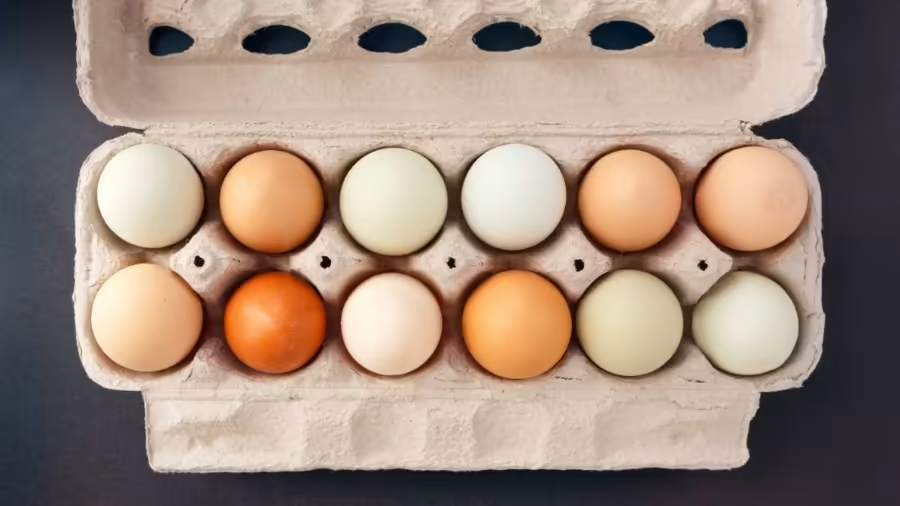
What pigments make eggs brown?
Brown usually comes from protoporphyrin. Different trick this time. It’s more like someone adds a varnish coat at the very end. That’s why brown eggs can have speckles or lighter patches, like when you paint with a brush and the edges end up with a bit more paint.
Does shell color change the taste or nutrients?
Basically, no. Nutrition depends way more on the hen’s diet and health than on shell color. Blue, white, or brown is like the color of a coat, not what’s in its pockets. What can change a tiny bit is thickness or toughness depending on the genetic line, but the “egg on the inside” is still the classic egg we all know.
Magikitos take: nature’s reminding you it’s totally allowed to be a little odd, and still make perfect sense. You’re an egg with personality too. Be kind to yourself today. Maybe your shell isn’t for show, maybe it’s protection you worked hard for.

From the tasting Gallinas con estilo