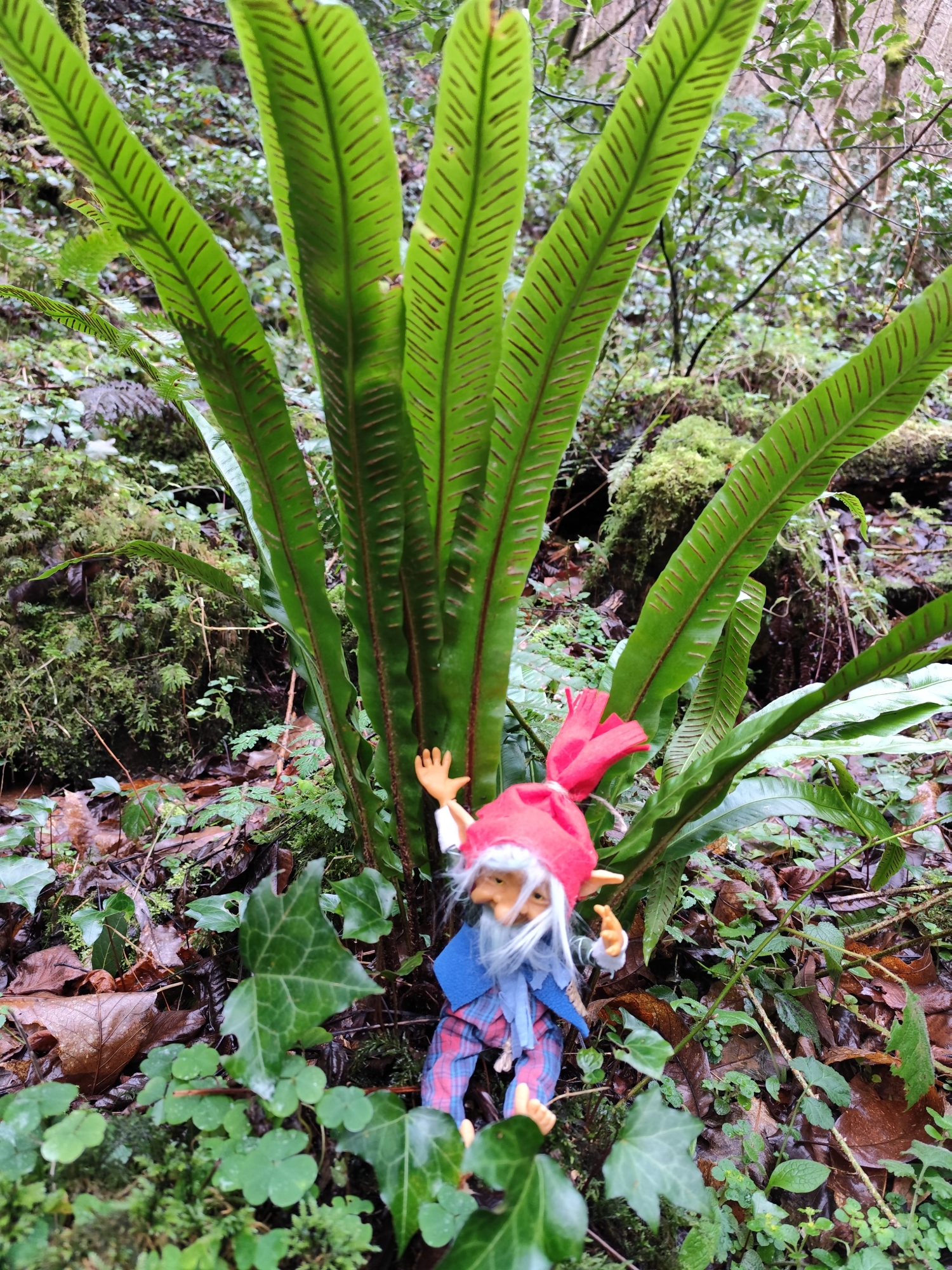
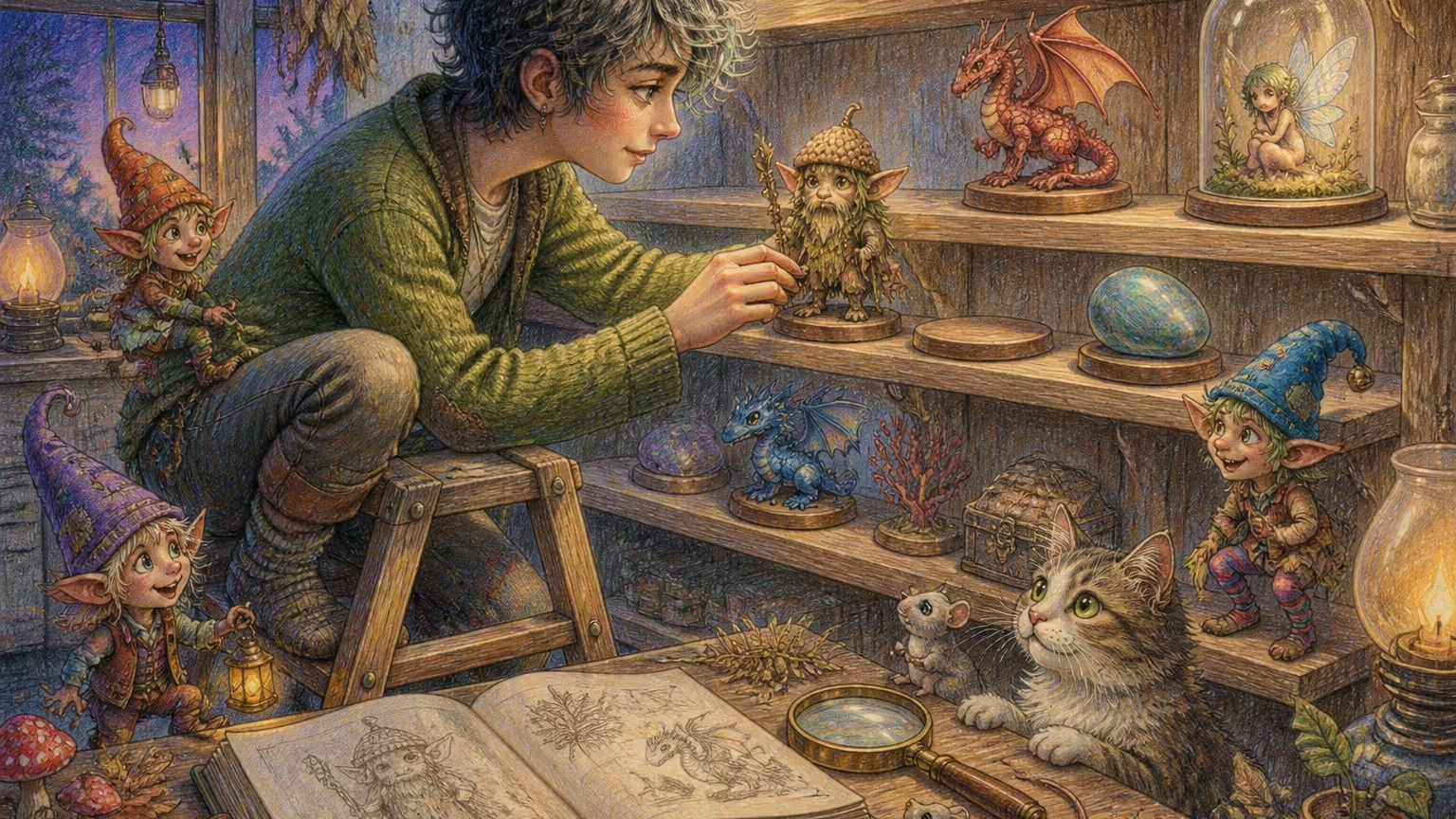
A Magikito collects tiny chairs. We bought him a splendid armchair, complete with a proper backrest. We overlooked one detail: his house is 1:24 scale and the chair is 1:12. He now has a throne he needs a ladder to get down from. Good intentions. Missing tape measure.
Buying for a collector can be like that. You see “likes dragons”. They see sizes, periods, variants, colours and the particular one they've been hunting for months. You don't need to memorise the entire collection. A few specific questions will get you further than buying the first thing with wings.
There's no membership test for being a proper collector here. Completing a series, keeping things in boxes and enjoying mass-produced figures are all perfectly reasonable ways to enjoy a hobby. The present needs to please its recipient, rather than pass an exam in exclusivity.
What should I give someone who collects things?
Find out exactly what they collect and what they'd like to add. Ask for a reference, a short wish list or a photograph of the version they're after. Check size, condition and budget. If they prefer choosing the pieces themselves, consider a catalogue, an accessory they've requested or an outing connected with their hobby.
A proper question beats twenty hints
“Is there a piece I could look out for?” or “What do you enjoy about this collection?” can start a lovely conversation. Perhaps they collect different versions of one character. Perhaps they want one figure of each species. Perhaps the collection is finished and they're enjoying researching it. An empty shelf isn't necessarily a request for you to fill it.
If they show you photographs, listen to what they tell you as well as looking. They may have pieces in storage, duplicates or something they're hoping to swap. A small list of options leaves room for surprise without turning their drawers into the scene of a covert operation.
Version, scale and condition make a difference
Note the full name, reference number, year or edition where relevant. Similar objects may be different versions. For miniatures, ask about scale and check actual dimensions. The same model at 1:12 is twice as tall as at 1:24. Our Magikito has worked this out from the armrest.
For second-hand pieces, ask for clear photographs of the actual item: front, back, underside and any reported damage. Check whether accessories, packaging and paperwork are included. One collector may consider the box part of the set. Another may happily do without it. Best to find out before enthusiastically throwing it away.
“Old”, “rare” and “as new” need details. Ask about repairs, replacement parts and whether it works, if relevant. An accurate description helps more than a string of adjectives. If authenticity matters and you can't assess it, seek specialist advice before paying.
A short production run can't choose for you
An edition of 50,000 still has a fixed number of copies. That alone doesn't make it scarce, desirable or right for this collection. Check the maker's or publisher's information, any variants and what the numbering means. A number written on a card doesn't establish an object's origin by itself.
They may also enjoy reproductions or figures from a favourite franchise. Describe them honestly and check which version they want. Resembling an original isn't enough to describe something as authentic. “Inspired by” doesn't tell you the whole story of how it was made either.
Handcraft, moulds and materials
The Met records Meissen vases with moulded leaves and hand-modelled branches. Both techniques can be part of the same piece.
Ask which parts are modelled, assembled or painted by hand, rather than treating “no moulds” as a password for quality. Our guide to handcraft and mass production explores those differences without making them a purity contest.
The material doesn't settle everything either. Look at the finish, joins, condition and care needs of the actual object. A plastic miniature could be precisely what they want. A porcelain figure could have a crack. “Natural” and “synthetic” aren't a substitute for looking properly, and neither promises that something will last forever.
Ideas to narrow down together
| What they collect | Something you could discuss |
|---|---|
| Figures and fantasy creatures | The version they're after, or a book about that world. |
| Miniatures and dioramas | An addition with the right scale, dimensions and style. |
| Minerals or fossils | A reference book or stands chosen with them. |
| Antique objects | A piece with a clear condition description and available records. |
| A collection they consider finished | An exhibition, a visit or time to talk about it. |
For a catalogue or book, check subject, edition and language. For a display case or stand, ask about space, object dimensions and how they'd like to arrange things. Don't reorganise their collection as a surprise. There may be a reason they chose the dragon's old spot, even if they haven't told you about it.
The object's history, without making one up
Keep what you know: the sale description, the maker's name if recorded, dates, materials and accompanying documents. Separate documented facts from things you've been told. “They said it was from the seventies” isn't a confirmed date. “I don't know” is useful information too.
A flea-market find with no known maker could delight them. There's no need to invent a biography to make it seem important. Your reason for choosing it can go in the card.
The Canadian Conservation Institute advises consulting a conservator before removing old ceramic or glass repairs, which may have historical interest. Avoid surprise “improvements”.
A little world of their own
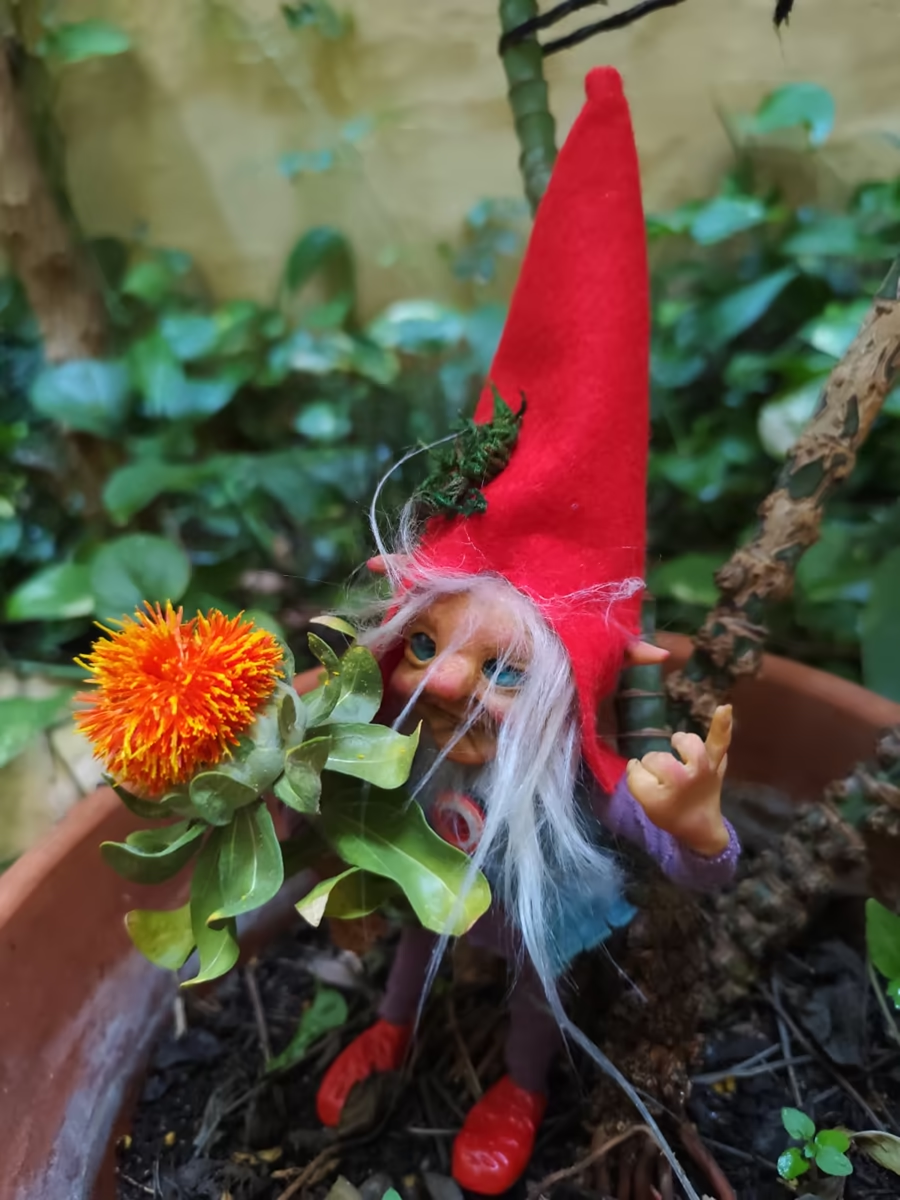
The figures in our Magikitos gallery aren't for sale. They might inspire a drawing for a card or a character to accompany your gift. Perhaps a dragon archivist who remembers every date but constantly loses his pencil. The joke can be something you both enjoy.
The Magic Sparks belong to that fictional world. They're themes for stories, rather than spiritual needs assigned to collectors or powers inside objects. The tale you write for the card can be gloriously silly, as long as it's clearly separate from the actual information about the piece.
What if I'd rather not buy another piece?
You could suggest an exhibition, a catalogue they'd enjoy or an afternoon hearing about their collection. If you'd like to give storage or display equipment, ask what they need first. Choosing together can be part of the present and avoids adding something they don't want.
Set a budget you're comfortable with. If you buy an item, check the exchange conditions beforehand and keep the receipt. It doesn't have to stay on display to prove they're grateful. They can store it, rotate it with other pieces or decide it doesn't fit. You can talk about that without a grand palaver.
Look for something they'd actually enjoy, rather than the most exceptional object on Earth. We're taking the armchair back. The Magikito has asked to keep the ladder. It's rather handy for reaching the biscuits.