Short stories have something that movies and TV shows can't match: in five minutes they transport you, make you laugh, and leave you thinking it over. They don't need special effects or huge budgets. Just well-chosen words and characters that stay with you.
Today I'll tell you why stories with a moral are still pure magic (the real kind, not the marketing kind) and how to use them without it feeling like you're giving a lecture.
Why Do Stories Work Better Than Sermons?
Notice this. When you tell a child "you have to be generous," it goes in one ear and out the other. But if you tell them the story of Dulcinea, that Magikita who turns boring sweets into impossible flavours to calm a kid's tantrum at the bakery, that's when it lands. Because they understand that sharing magic (or weird sweets) makes everyone have a better time.
Stories teach without preaching. The message comes as a side effect, when the little one is busy thinking about other things. And that's exactly what we need.
- They pass on values without getting preachy
- They develop real imagination (none of that passive screen time)
- They create moments of connection that stay with you forever. Pure joy
- They help manage complex emotions without it feeling like therapy
What Do Magikitos Stories Teach?
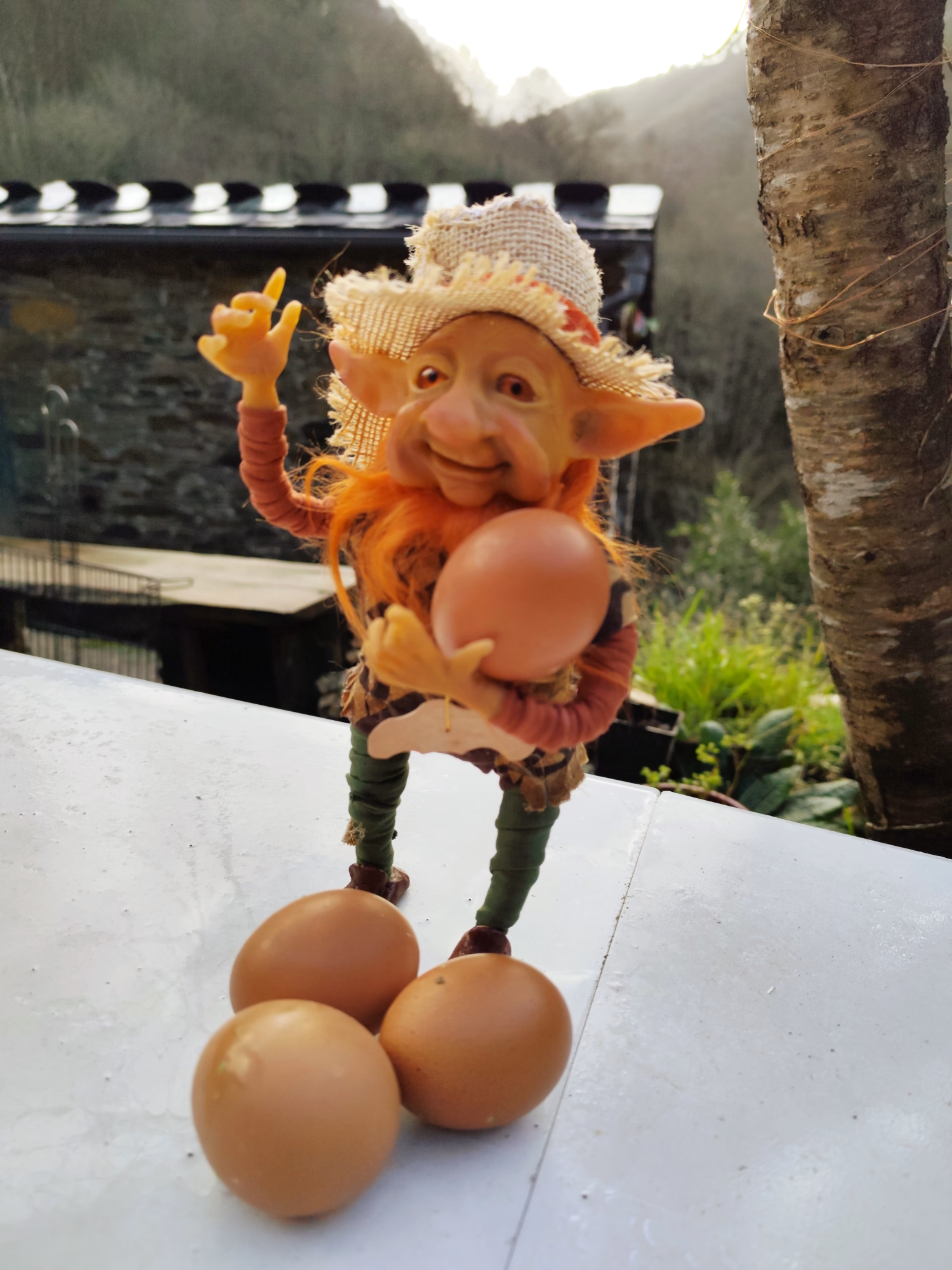
Magikitos aren't characters invented to sell. They're mischievous creatures that already existed in the stories I was told as a little girl. And each one has their own way of teaching.
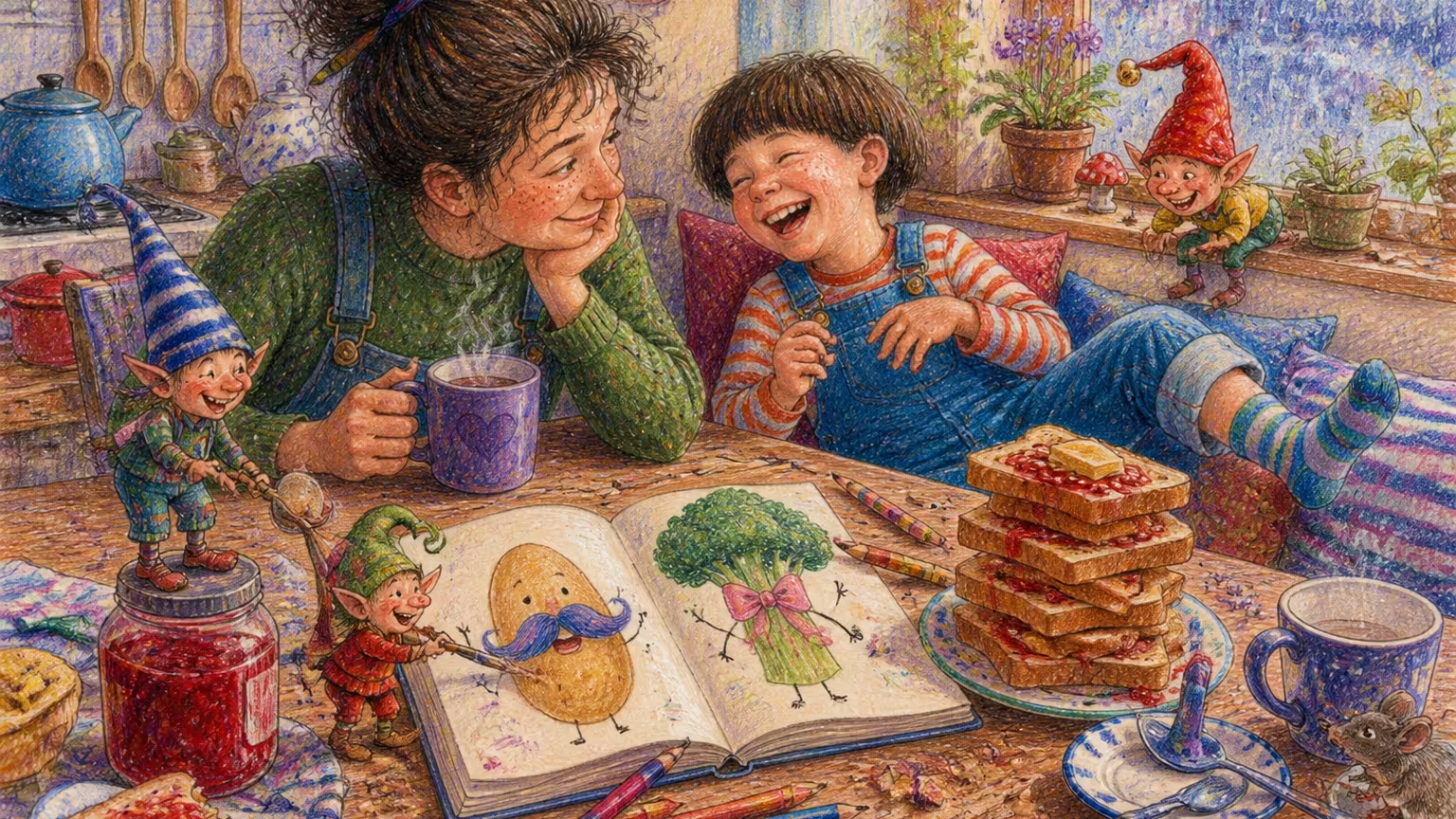
For example, in the stories we have here you'll meet Patato, that Brownie from the supermarket who paints moustaches on potatoes and little bows on broccoli. The lesson? That finding humour in the everyday turns even the most boring shopping trip into an adventure. Kids crack up imagining their mums pulling a potato with a moustache out of the trolley.
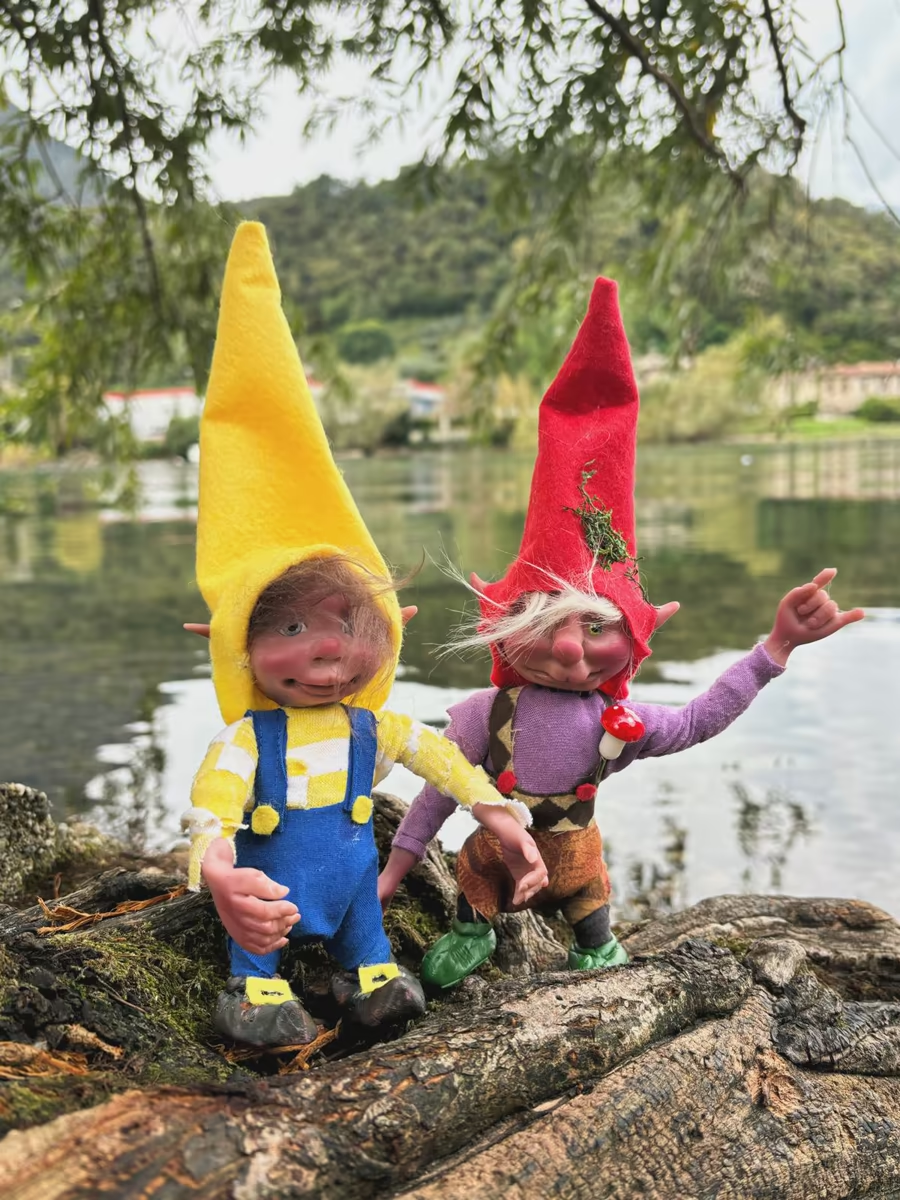
Or there's Bailotina, who turns grey offices into dance floors. That's when they learn that sometimes what you need isn't to work harder, but to stop and dance for five minutes so everything flows better afterwards.
When Is the Best Time to Read Stories?
The bedtime story thing is fine, but it's limiting yourself a lot. Short stories are perfect for filling those odd gaps in the day when the kids get bored and you don't know what to do with them.
- In the car: Better than playing that same Frozen song again. A five-minute story and problem solved
- In the doctor's waiting room: When the phone battery is dead and the kid starts to get restless
- After school: That weird time when they're tired but not quite ready to sleep. A story calms them down without TV involved
- Weekend breakfasts: The ritual of reading together on Saturday morning with breakfast still on the table. Now that's a luxury
What Makes a Story Really Work?
Not all stories are worth it. I've read very long stories that say nothing and others of two pages that leave you thinking for three days. The difference is this:
A story that works must have...
- Just the right length: Little ones' attention spans are short. Five minutes max and it should leave a mark
- Characters to love: They should have real personality, not those perfect protagonists who never mess up
- Fun above all: If it bores them, it teaches nothing. Period
- Satisfying ending: It doesn't have to be happy, but it should make sense and wrap up well
- Room to chat afterwards: The best stories leave open questions to keep talking about
Mischief with Soul (They're Not Just Pretty Stories)
The Magikitos aren't decorative figurines. Each one has their story, their vibe, their slip-ups. And those stories aren't there to look good, they're there because they teach real things.
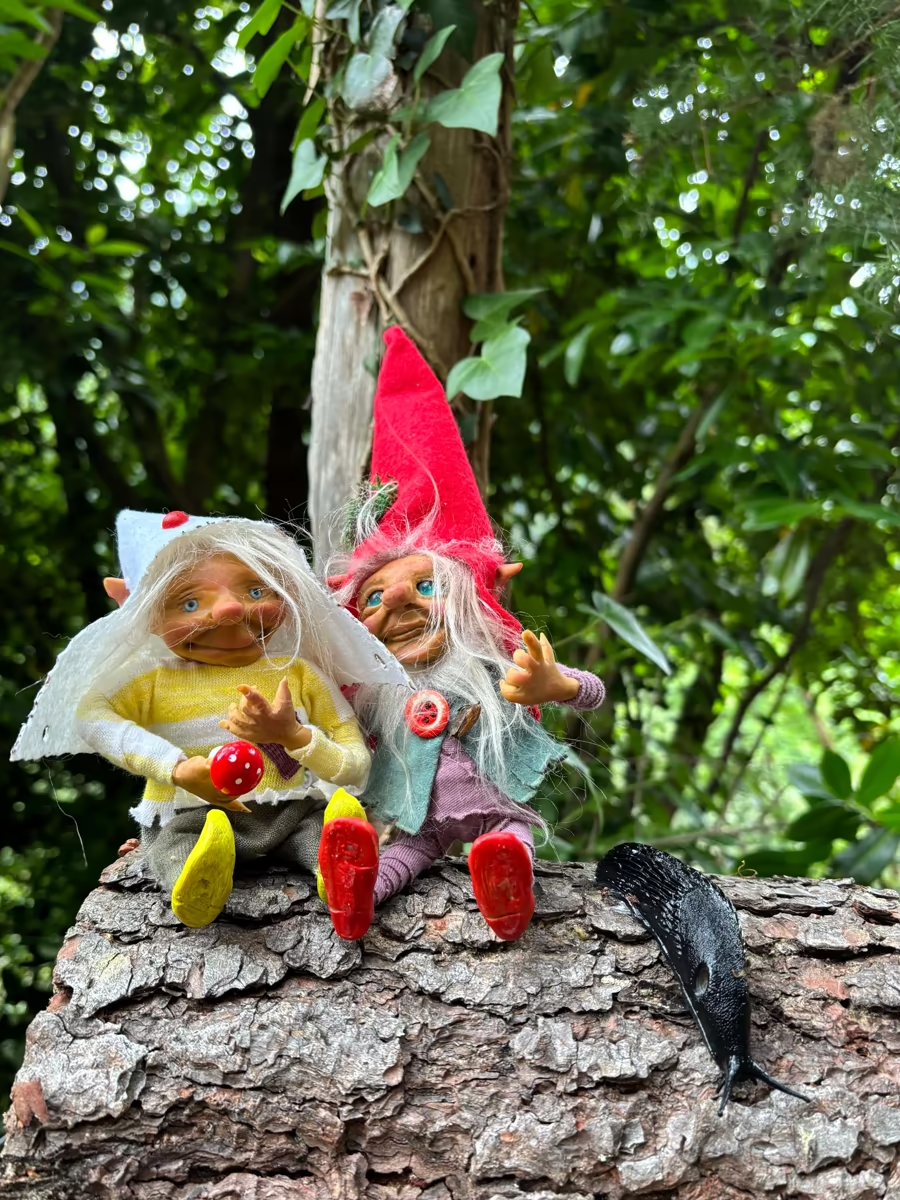
Like when Dulcinea makes sweets taste like weird things (chocolate that tastes like strawberry, sweets that taste like pizza) and the kid who was crying at the bakery ends up cracking up trying everything. That's when they learn that surprises can be good, that trying new things is cool, that it's okay to step outside the norm.
Magikitos' mischief is never truly bad. They're opportunities for kids to understand that mistakes are part of the journey, that magic coexists with the everyday, that you don't have to be perfect to be special.
How to Create Your Own Stories
You don't need to buy books all the time. You can invent your own Magikitos stories. It's easier than it seems:
- Collaborative stories: One starts, another continues. Each one adds a sentence or a bit
- Personalised stories: Put the child in as the main character. Let them live the adventures with their favourite Magikito
- Alternative endings: Read a story you already know and change the ending. What if Patato didn't paint moustaches but happy faces? What if Bailotina made plants dance instead of people?
- Draw first, invent later: Let the little one draw a weird character and then together you make up the story
Why Stories Transform (Without Getting All Mystical)
Stories aren't just entertainment. They're tools that help little ones understand the world without anyone constantly lecturing them:
- They understand how the world around them works
- They develop their own code of right and wrong (without sermons in between)
- They learn to manage complex emotions
- They strengthen their self-esteem
- They cultivate real empathy
- They dream of possible futures
And the best part is they do it naturally. No impositions, no forced lessons. Just the magic of a good story well told that stays with you.
Shall We Begin?
If you've made it this far, you already know that stories are awesome. Now all that's left is to create that space to enjoy them.
Turn off the screens. Find a cosy corner. Open a book (or make up a story on the spot). And let whatever happens happen.
The Magikitos will be there waiting, ready to take you on their most mischievous adventures. Because in the world of stories, anything is possible. Even a broccoli wearing a little bow. And if you want to put a face to them, these figures are hand-modelled and we show them in the Brownies section.