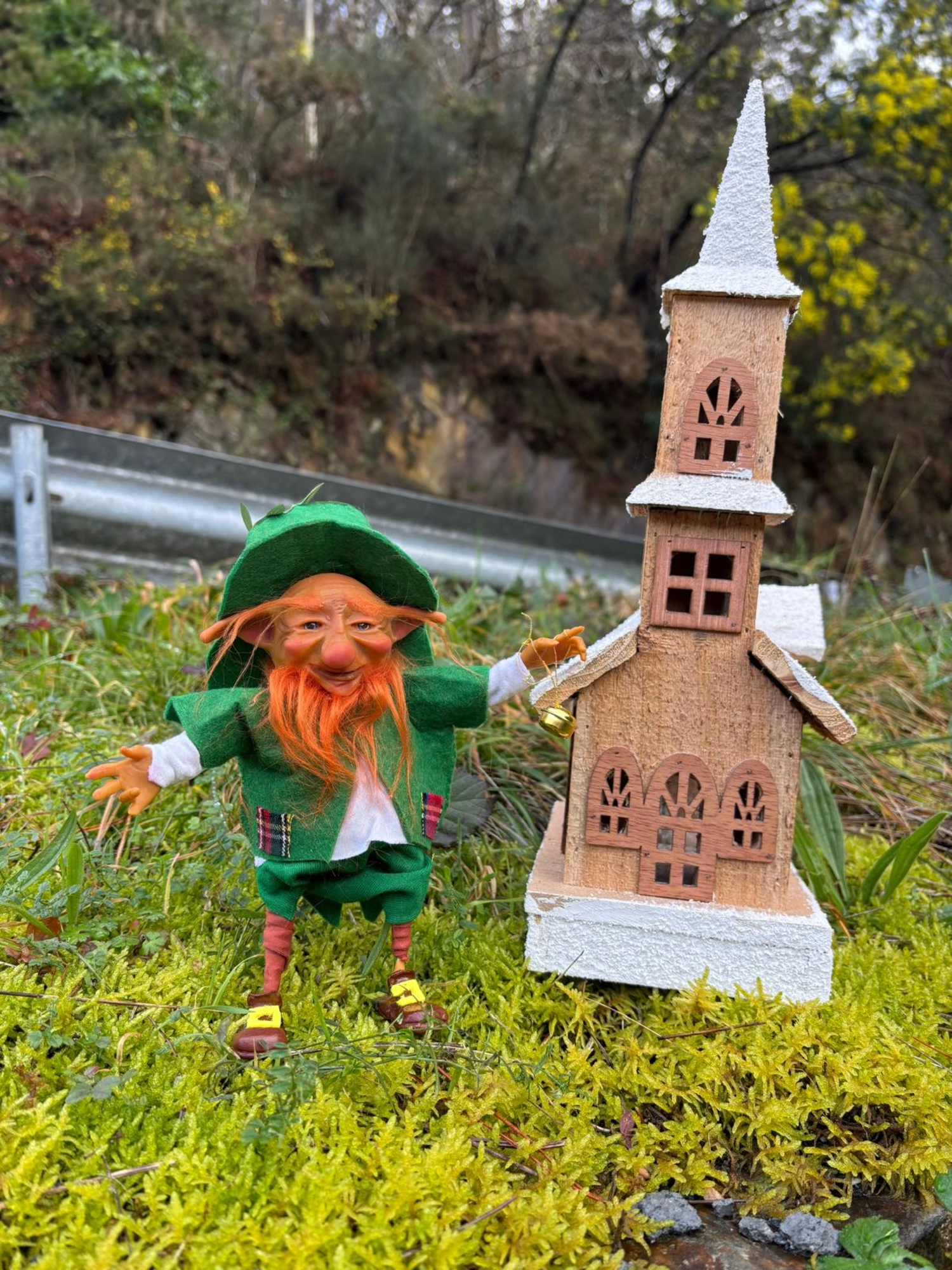
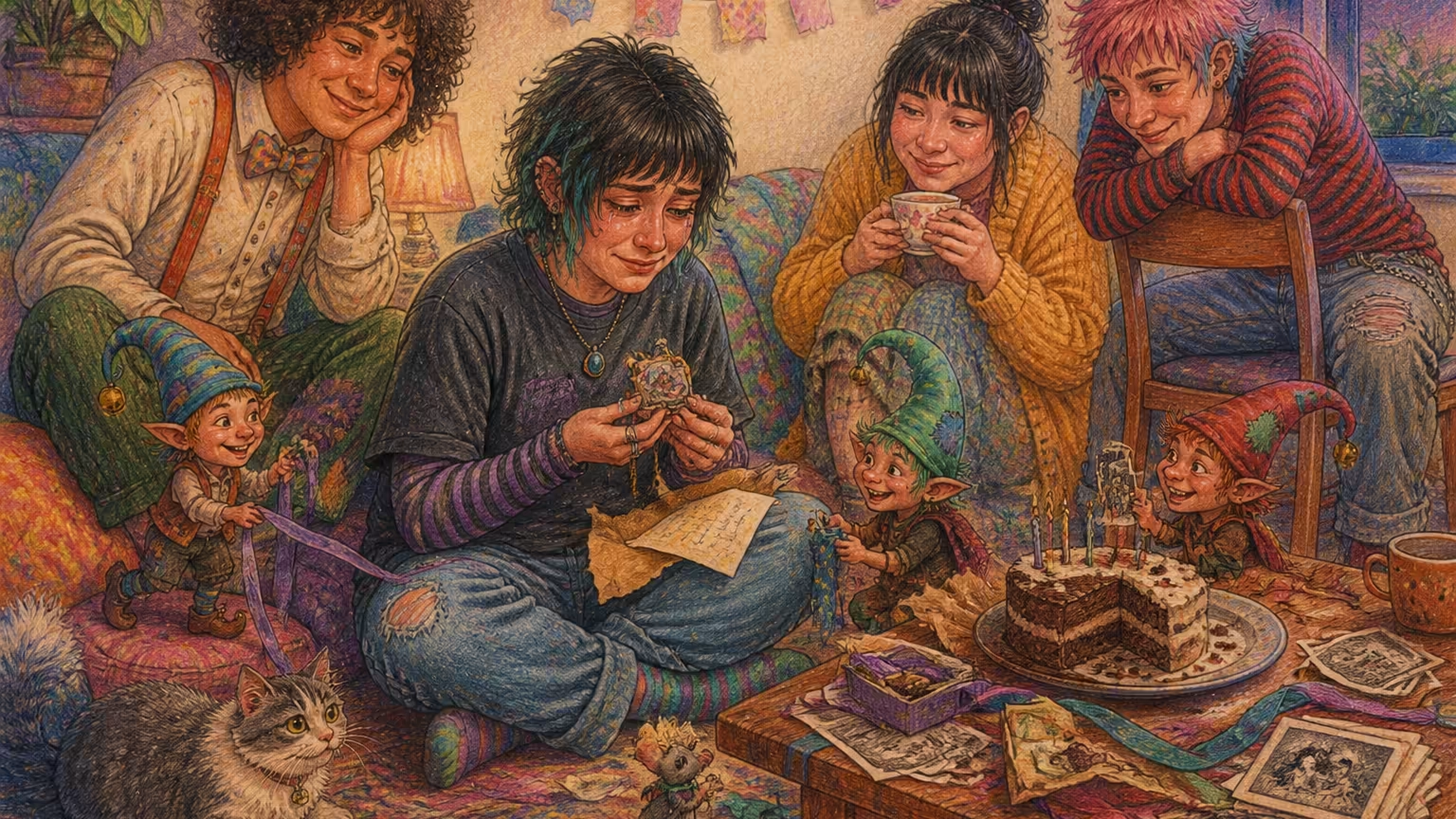
A Magikito asked for socks for his birthday. We formed a committee to find something more special. Three meetings, two maps and one proposal for a poetry-reciting fountain later, we bought the socks. He put them on as soon as he opened the parcel. The committee is still debating whether that counts as success.
Sometimes we're so busy finding an unforgettable present that we miss what the person has told us. We want to surprise them so much that we're the ones surprised when they aren't keen on the poetry fountain. Luckily, we hadn't booked the installation.
A birthday present can be useful, funny, sentimental or a mixture. It can also be money, a voucher or a meal that's gone by teatime. It doesn't have to occupy a shelf twenty years later to have been a good choice.
How do I choose a birthday present they'll enjoy?
Start with something they've asked for, a specific hobby or an outing they'd like. Check details such as size, model, date or language. Choose a budget you're comfortable with and ask how they'd like to celebrate. If you're unsure, asking for a clue or choosing together can be thoughtful too.
Listening includes believing the answer
If they've asked for a book, check which one and which edition. For art supplies, ask what they use. If they collect things, a precise reference can prevent a duplicate or the wrong scale. Our gift guide for collectors covers the details worth checking.
A list still leaves room for you. You could pick from several things they'd enjoy or add a note. And if their birthday is nearly here, you can still ask. Affection doesn't run on a timer that starts three months beforehand and locks you out the night before.
Separate their wishes from your plans for their life. “They said they'd like to learn to cook” is a useful clue. “They really ought to learn at last” is a different matter. The same goes for exercise, clothes and books. A birthday needn't become a personal improvement appointment.
Ideas based on what they fancy now
Labels only get you so far. Someone who usually stays in might want concert tickets. Someone who travels constantly might be longing for a blanket. Ask what appeals this year, rather than allocating presents by personality type.
| What they've told you | An idea and what to check |
|---|---|
| They want more time for a hobby | Materials they use, or a class chosen with them. |
| There's a particular object they want | The exact model, size and exchange conditions. |
| They'd like an outing with you | A plan with a date, travel and clear costs. |
| They prefer choosing for themselves | Money or a voucher they can use somewhere they like. |
| They don't want presents | Respecting that and asking if they'd like a birthday message or company. |
An outing with a date and room in the diary
A concert, walk, exhibition, class or dinner could work. They need to want to go and be able to do so. Before buying, check dates, location, duration, accessibility and additional costs. If care arrangements or work shifts need changing, discuss those before booking.
Quiet activities aren't universally appealing either. A massage, retreat or yoga class makes sense if they'd enjoy it. For someone who wants a rest, you could offer a specific bit of help and ask when it would suit them. “I could bring dinner on Thursday, if you'd like” is easier to accept than an everlasting voucher for “quality time”.
If you're organising an outing as a group present, account for travel and any extra costs for those attending. Decide who will book it too. Twelve people saying “we ought to look into that” can keep going well past the birthday.
Money and vouchers without an apology
If they prefer choosing, saving towards something or deciding later, money could be a good option. A voucher can work when they like the shop or service and can use it. You don't need a ten-minute defence to prove you've thought about them.
Before buying, check the value, expiry and where it can be spent, as advised by the European Consumer Centre in Ireland.
Check that they won't have to spend much more to get what they want. For a subscription, agree who manages the account and what happens when the gift period ends. Those details should be clear when you give it.
Something made by you, without an endurance test
A letter about a shared memory, a few favourite photos, a favourite recipe or a collection of songs could mean a lot. For music, use a format they can listen to. A playlist shared through a link, with a couple of lines about each song, may suit them better than a disc for a player they don't own.
Allow for the time and materials you have. Homemade doesn't necessarily mean free, and it needn't look professional. You could start with a colouring page and add a message. A few words of your own are enough. They can appreciate it without crying, keeping it forever or knowing what to say straight away.
If you collect photographs or messages from others, ask before sharing private memories. An album can stay between you. If you're giving something you already own, consider whether they'd enjoy it and its condition, and tell them where it came from. Second-hand can still be thoughtful.
A little woodland nonsense, if they'd enjoy it

The figures in our Magikitos gallery aren't for sale. They might inspire a card or a character who delivers your gift. Perhaps the creature responsible for birthdays, who owns three calendars and still asks what day it is. If that makes you both smile, you've got a starting point.
The Magic Sparks are themes from that fictional world. You can use them in a story without deciding someone needs more calm or adventure based on your impression of them. The fantasy can go in the card. The choice of present can come from what they've actually told you.
A group present that doesn't put anyone under pressure
Agree the idea, total budget, deadline and who's organising. Participation can be optional and contributions can differ. Nobody needs a public league table of who paid most. Writing a message or helping organise can be ways to join in when money is tight.
For a child's birthday, speak to their carers about interests, what they already have and available space. If you'd also like to help the adults, ask what would be useful. That can be a separate gesture while keeping the child's birthday their own occasion.
What if they say they don't want presents?
Respect that. You can ask whether they'd like a birthday message, some company or another way to mark the day, but don't assume “nothing” means a surprise experience. If they don't want to celebrate, letting them choose how to spend the day can be a caring response.
After a loss or a difficult year, ask how they'd like to approach their birthday. You can offer company without expecting cheerfulness or treating a present as a solution to what's happening. They may also want to celebrate, and that answer deserves to be heard too.
When you give it, say why you chose it if you like. You don't need to film the reaction or test their memory years later. Leave out the palaver of manufacturing a historic moment. Our Magikito is wearing his new socks. We've disbanded the committee before it commissions a statue.